Luisa Miniaci-Di Leo, Dollard-des-Ormeaux QC | Voices of PKD
Montreal Chapter Coordinator and Walk to END PKD Coordinator Luisa Miniaci-Di Leo first shared her PKD journey with us in 2020. This update was prompted by changes in Luisa's health due to PKD.
Cyst Rupture
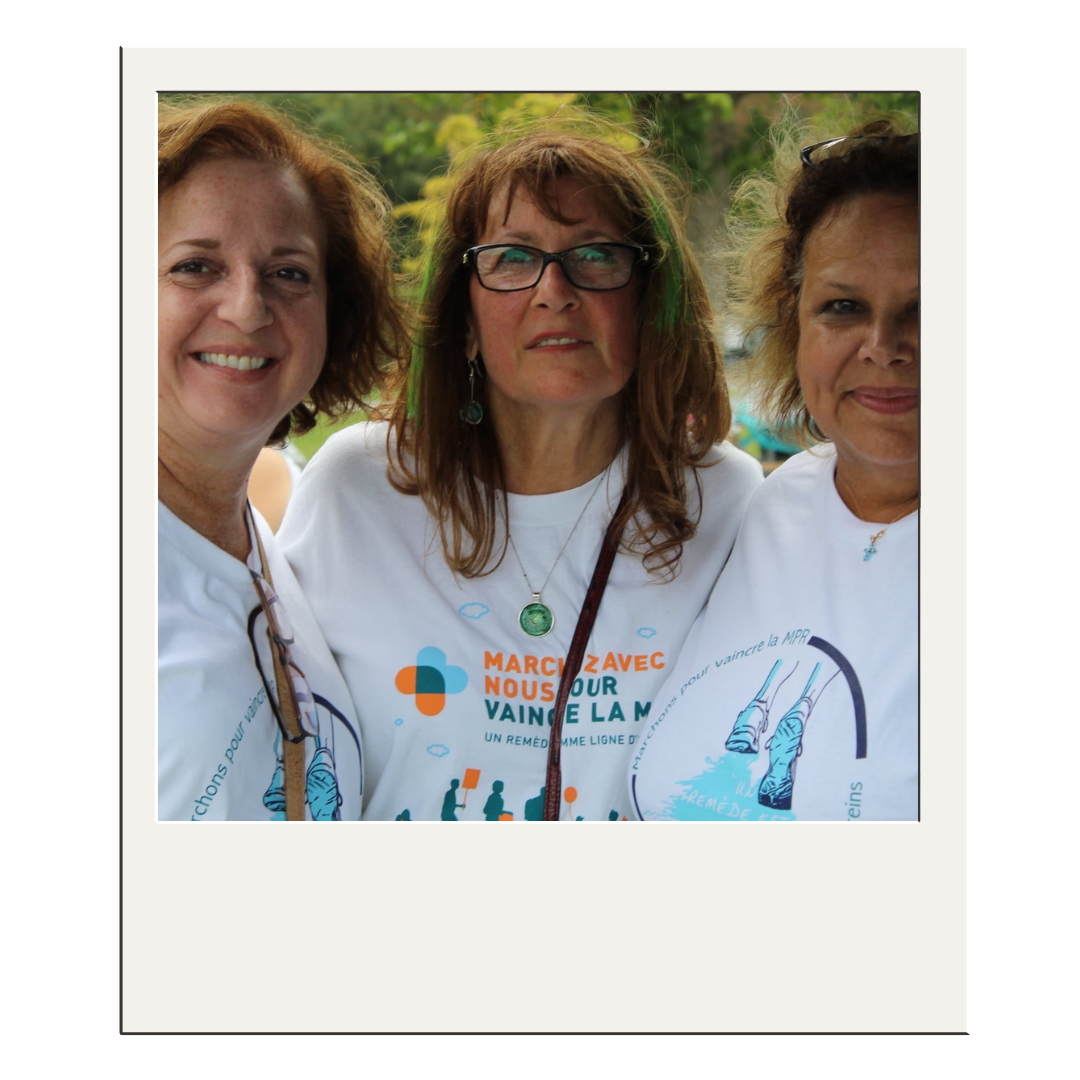 In October, two cysts on my left kidney ruptured. If it hadn’t been for some fellow PKD patients encouraging me, I would never have written this update. They suggested I write down my journey because they’ve lived through it too. They wanted me to help educate people who don’t understand what we go through with PKD.
Every time this disease sends you to the hospital, it’s another reminder that it’s trying to control your life. The key is not to let it win.
Several PKD patients asked me to explain the trauma the body goes through when cysts rupture. Both of mine were almost the size of oranges. I wouldn’t wish that pain on my worst enemy.
On October 23, I was bending down to take clothes out of the dryer when I suddenly felt like someone had stabbed me in the left kidney. My right kidney is approximately 30 cm by 21 cm - massive - but my left one is smaller, so I couldn’t understand why the rupture had happened there.
I’ve had ruptured cysts before, and they were always painful, but this was ten times worse. It felt like someone stabbed me and then twisted the knife. I fell to the ground screaming and crying. My husband and my son Chris had to pick me up. Through the pain, I kept saying it must be a kidney stone - I had never felt anything like this before.
My husband called 911. I was still crying and screaming. The dispatcher asked if I was conscious, able to talk, or having chest pain. Since I didn’t meet the criteria for a stroke or heart attack, they said there would be a seven-hour wait for an ambulance. My husband and Chris told the dispatcher they’d take me to the MUHC Glen site of the Royal Victoria Hospital themselves. Chris carried me like a little doll and gently laid me across the back seats of the car.
When we arrived, the triage nurse noticed my high blood pressure and the tears running down my face from the pain. We explained that it was probably a ruptured cyst or maybe a kidney stone, since it felt so different from previous episodes. The nurse didn’t know what PKD was, but after my husband explained, she flagged a doctor immediately. My temperature had begun rising, and blood work showed my creatinine was at 250 - not good. I couldn’t sit upright in the wheelchair - I slouched to the right because the pain in my left side was unbearable. The nurse got quick approval to start me on opioids.
They gave me Supeudol first, but it didn’t stay in my system long. Even with Gravol to control nausea, I vomited everything within 10 minutes. They then switched to Dilaudid: 1 mg every four hours during the day, and 0.5 mg every two hours at night.
My large PKD organs already fight for space. These two ruptured cysts just made everything worse. The ruptures caused internal bleeding and blood clots. No fun at all.
Not Myself
The hospital doctors and nurses were incredibly thorough: two CT scans, three ultrasounds, multiple abdominal and chest X-rays confirmed it wasn’t kidney stones. A few days later, my husband noticed I was hyperactive and anxious - classic signs of how opioids affect me now.
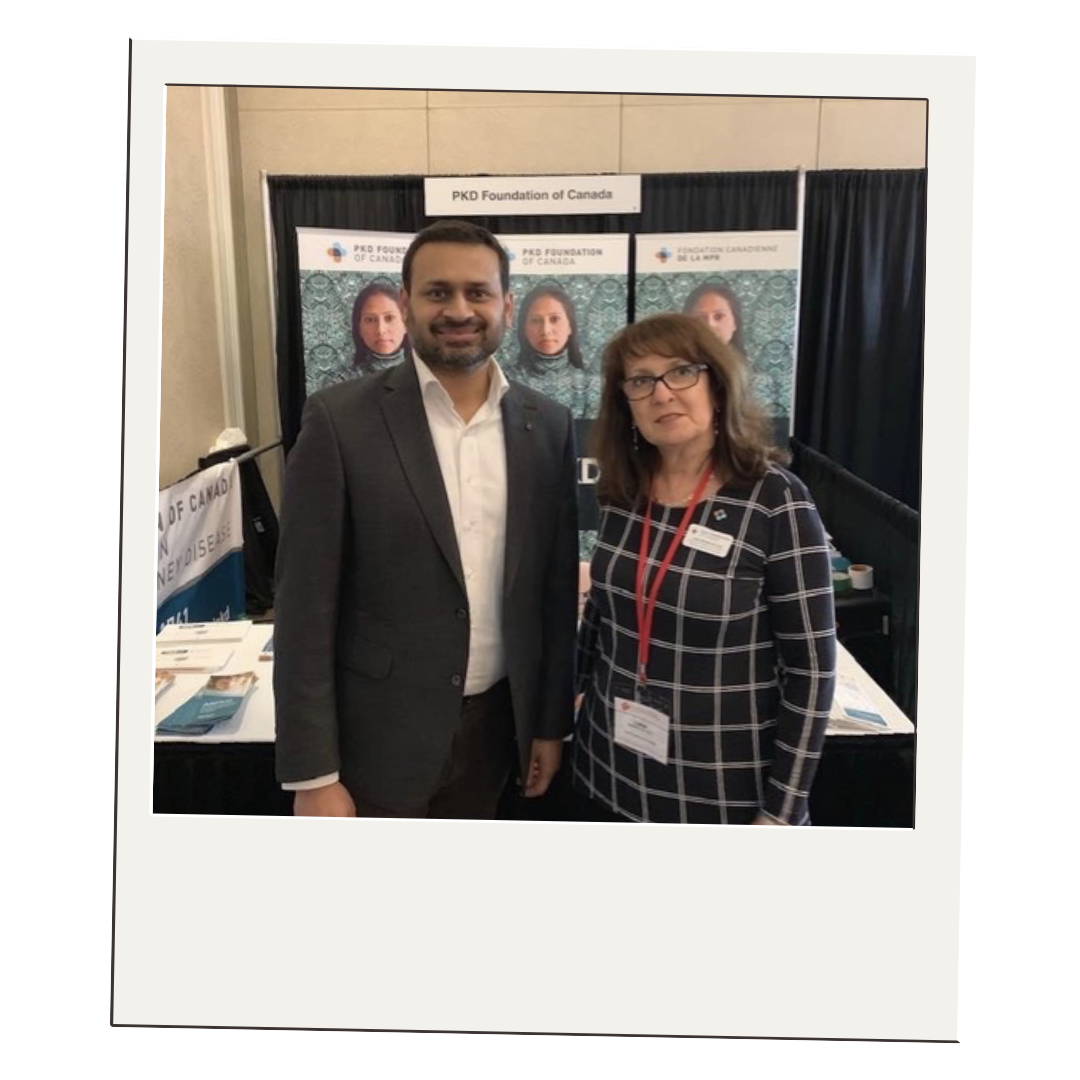
Many people in Montreal know that Dr. Alam has been a wonderful supporter of the PKD Foundation of Canada’s Montreal Chapter. He’s a compassionate and committed PKD specialist. He now saw me in a completely different state: nervous, agitated, and unable to rest. Of course, that kept my blood pressure high - a red flag for PKD patients.
I kept yelling at the nurses and Dr. Alam that I wanted both kidneys removed. I’m at stage 4 kidney failure. I know where this disease is heading, and in that moment, the pain told me: take them out.
When Dr. Alam came to see me, he apologized for not coming sooner. He’d been attending a virtual conference with other Quebec nephrologists - on the topic of pain management for cyst rupture. My husband told him he should’ve brought the whole conference into my room so they could witness firsthand what this pain looks like.
I wasn’t myself. I couldn’t sleep. And when those four hours between pain meds ran out? Oh boy - the pain came back with a vengeance. I kept asking, “What do I have to do to get these kidneys out?”
The opioids helped with the pain but caused constipation. As if having huge organs wasn’t bad enough, now there was added pressure in my abdomen from not being able to go.
Bless My Nurses
I have the utmost respect for the nurses on C-9 Internal Medicine - the same floor I was on when I was hospitalized with COVID in December 2020. These nurses work more than 12 hours a day. They were caring and professional from the first minute of their shift to the last. During the worst pain, I don’t know what I would’ve done without them. Their calm, kind voices kept me grounded.
Even 11 days later, I still couldn’t sleep on either side. When doctors told me it could take 4–6 weeks to return to some version of normal, I couldn’t believe ruptured cysts could cause such lasting pain. People often think that if PKD patients look okay on the outside, they must not be that sick. But this is a reminder: you never know what someone is going through.
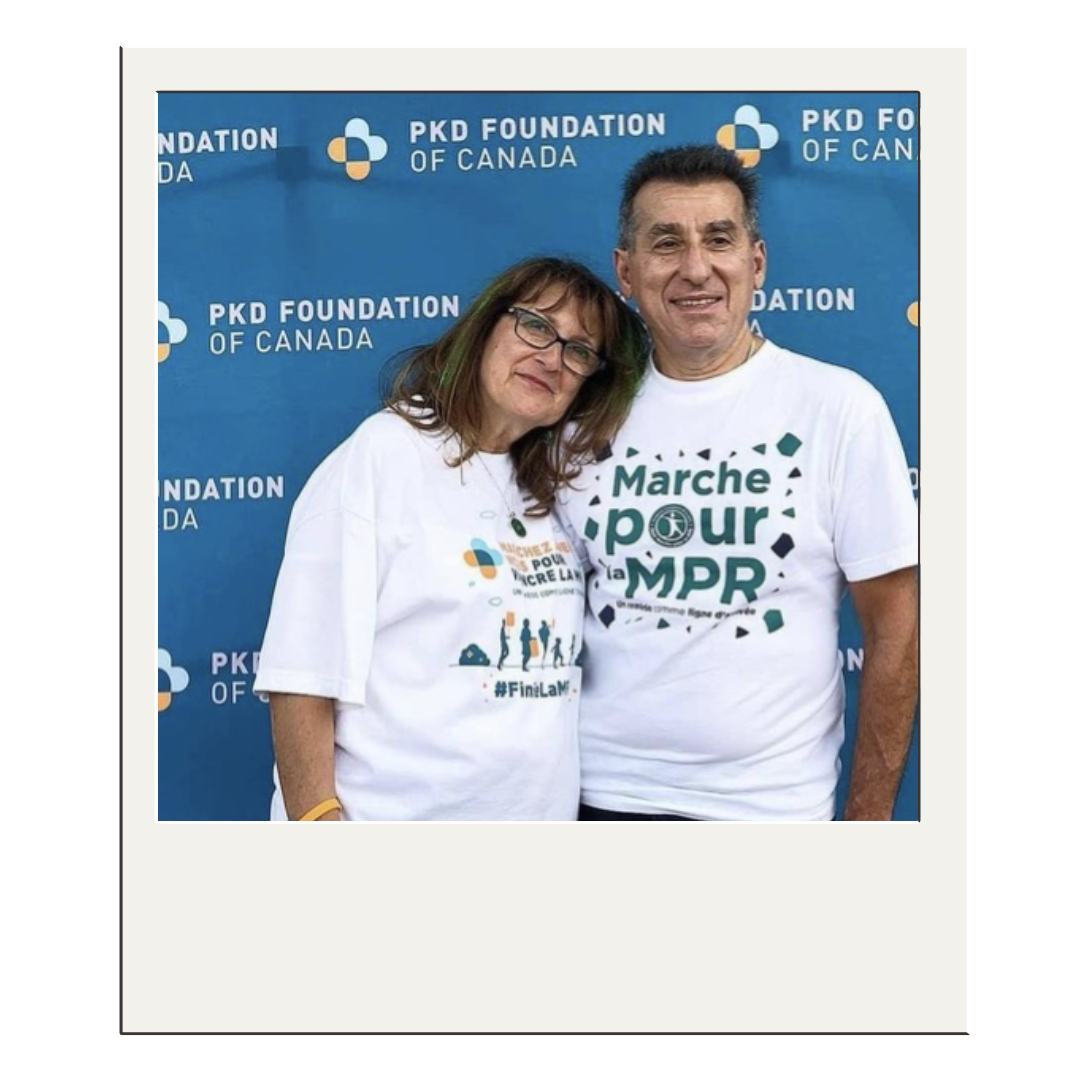
As I continue to heal, I’m forever grateful to my knight in shining armour - my husband. Without him by my side during this ordeal, I would’ve been in far worse shape.
Luisa first shared her Voices of PKD story with us in 2020. You can read that original story here. She also shared another update in 2025, which tells the story of her double kidney and liver transplant. You can read that update here.