Angela Pickard and Bradley Stewart, Chatham ON | Voices of PKD
Angela’s PKD journey
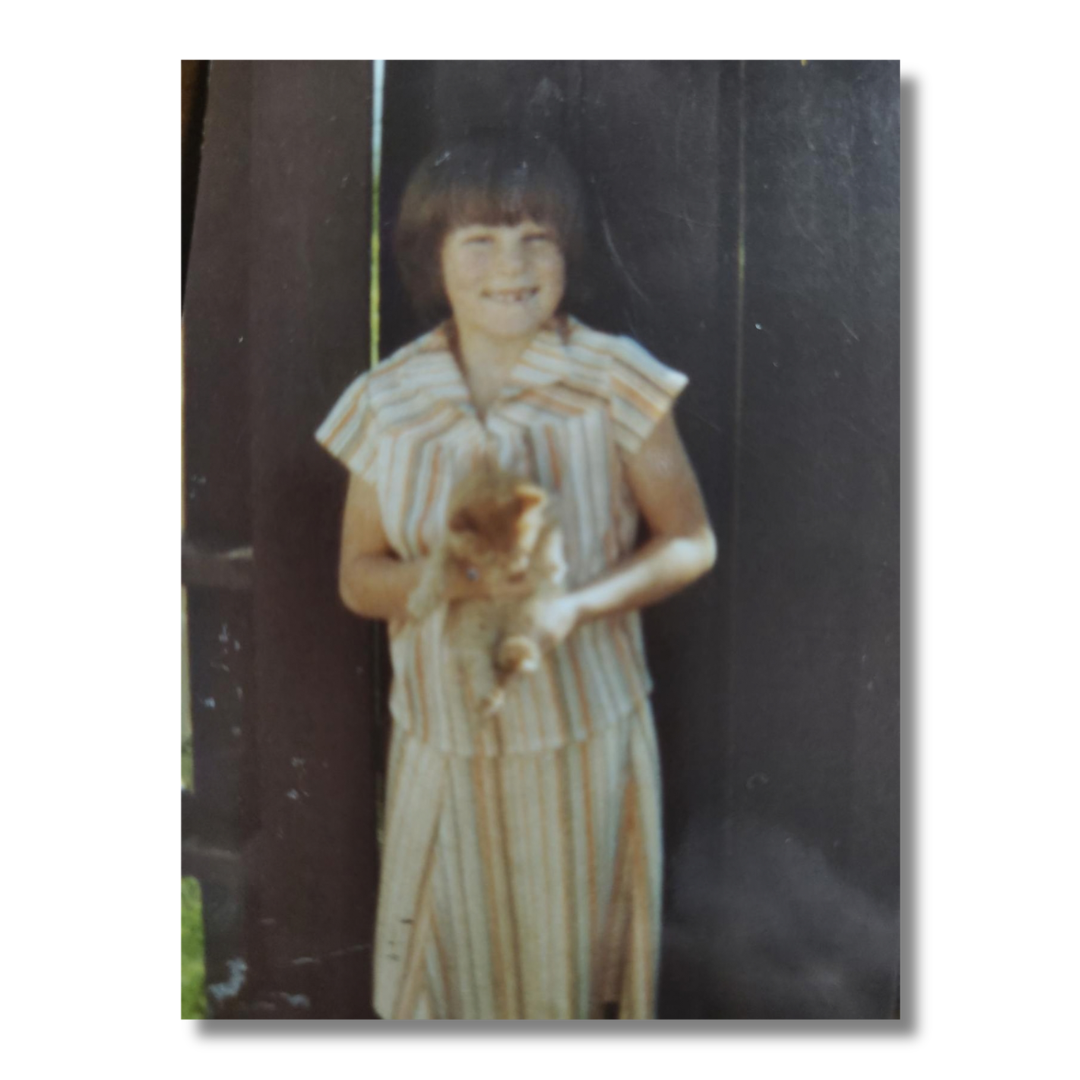 I was born in 1974 and diagnosed with autosomal recessive polycystic kidney disease (ARPKD) shortly after birth. My life expectancy was only a few years.
Until I was 12, I would spend a week in hospital every summer so doctors could monitor my health. I knew I had ARPKD. I knew there was something different about me. But I didn't really feel sick.
I remember being in hospital with children who had cancer and children who had been abused. I wanted to play with them, but some of them were too sick to play. That was confusing to me. I felt healthy. I couldn't understand that I was sick too; I just wasn't feeling it at that moment.
As I got older, PKD stayed mostly in the background. There were signs. My kidneys were enormous, which gave me a boxy waistline, and my body had trouble regulating fluids. But for the most part, I felt typical. I didn't really think that much about PKD.
Becoming a mother
 That changed when I became pregnant at 32. Because of my ARPKD, I was followed in London, Ontario, as a high-risk pregnancy. At around six months, I went into an appointment expecting the usual things you talk about at that stage of pregnancy. They checked my blood pressure, and then they called me into a room right away.
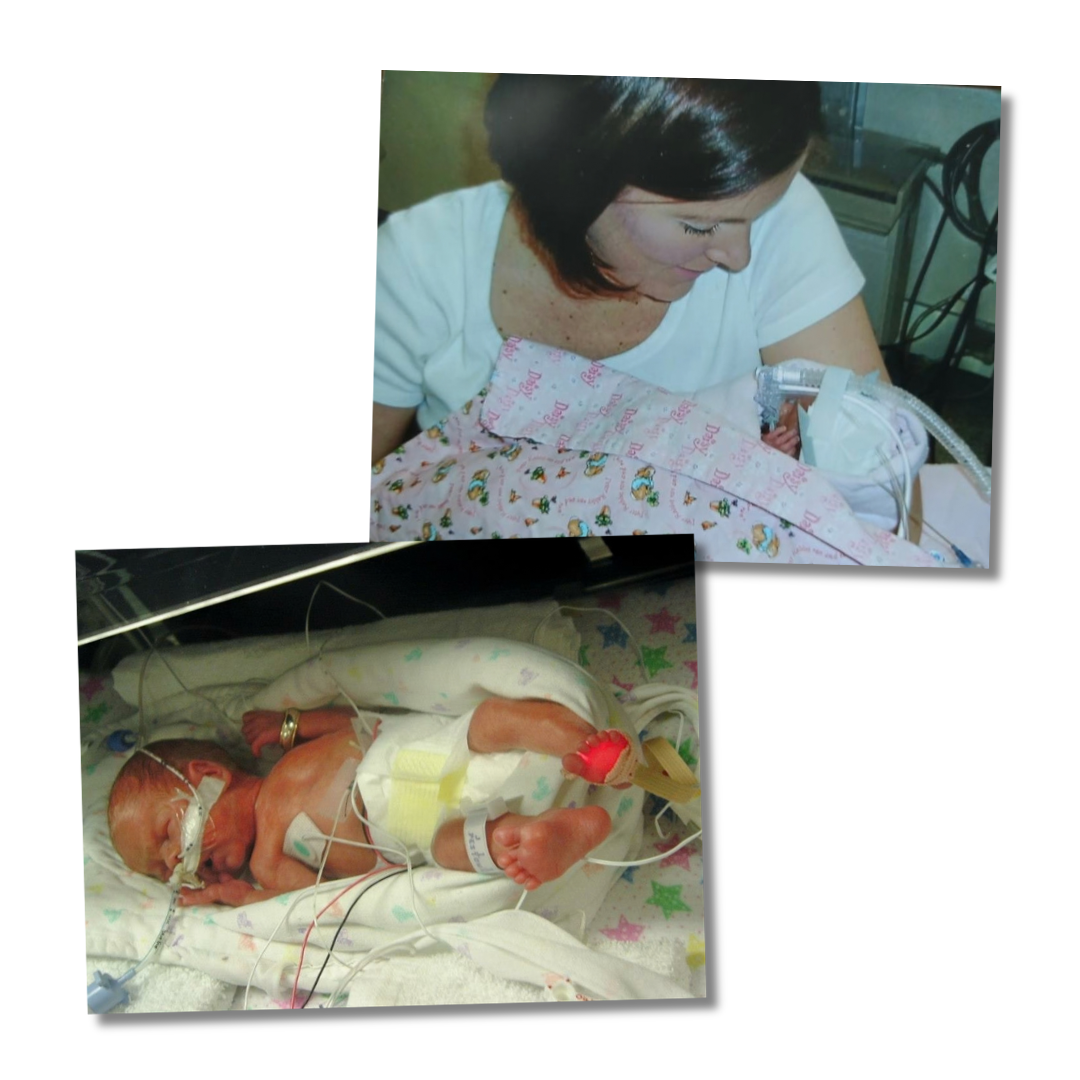
The doctor told me, “You're going to have your baby today.” I will never forget those words. My blood pressure was extremely high and there was reversed blood flow in the umbilical cord. They managed to keep my daughter inside for a few more days, but eventually she was breech and shunting blood to her brain.
 At 28 weeks and three days, Arden was delivered by C-section. She weighed one pound, 15 ounces. She spent 72 days in the NICU, first in London and then in Chatham for a little while as she grew. And she did amazingly well. Today, she's in her second year of university studying to become a teacher.
My kidneys, however, took a beating. My kidney function dropped significantly after the pregnancy. It was totally worth it. But there was also guilt that came with that time in my life.
Because Arden was born so early, her eyesight was affected. She needed very strong glasses throughout her childhood. I also knew I couldn't have another child. My guilt wasn't about passing ARPKD on to her (which parents with ADPKD often experience). It was feeling that my body couldn't do what I wanted it to do for her. And there was guilt about making her an only child.
When PKD stopped staying in the background
 From my early 30s into my 40s, PKD became harder and harder to ignore. The exhaustion wasn't ordinary tiredness. It was the kind of tired where you can't open your eyelids and it feels like gravity is pulling you towards the earth.
I had nausea that felt like being seasick, without the luxury cruise. I had terrible muscle cramps. Some nights I would walk the halls trying to release a cramp in my calf while my hands were seizing at the same time. I'd draw a hot bath at two in the morning trying to find some relief. I had heat massagers in bed wrapped around my feet, calves and hands.
And there was brain fog. Things that should have been simple became much harder to work through mentally. Still, I tried very hard to be healthy.
I worked out. I lifted weights. I ran. I paid attention to my diet. I faithfully followed my doctors' advice. Exercise became one of the ways I proved to myself that I was okay. I could be in the gym doing the same activities as people with completely healthy bodies, sometimes people 30 years younger than me. I would think, Look, I can do this. I can do this. So I must be okay.
PKD can be so hidden. On the outside, I looked strong. In my mind, if I looked that strong, then I couldn't really be that sick.
But I was.
“I have no control over this”
My nephrologist had actually prepared me for what was coming. Years earlier, she had drawn me a chart showing where my kidney function was heading. She ended up being almost exactly right.
She wanted me to begin the transplant process before I was ready to accept it. To me, transplant testing meant admitting that I had failed. Eventually, at 47, I started the testing. Even then, people would look at me and ask, “Are you the donor?”
“No. I'm not the donor.”
Starting transplant testing was when PKD became real in a completely different way. Diet wasn't going to stop what was happening. Supplements weren't going to stop it. I couldn't exercise my way out of it. I remember realizing: I have no control over this. It felt like a train going down the tracks.
I had spent years believing that if I just worked hard enough, ate properly enough, exercised enough and did everything I was supposed to do, maybe I could change where that train was going. Then came a day in May when my nephrologist called.
My kidney function was at six per cent. Within hours, she was arranging a dialysis port and my first dialysis treatment. My first reaction was: I failed. All that hard work just to land me here.
The exercise regimes. The dietary changes. All the things I had faithfully followed. And still, this ending. But one of the hardest parts wasn't hearing it myself.
It was having to tell my family. They were the reason I had fought so hard in the first place. For the few years before dialysis, I had tried so hard to hide from them how completely horrible I actually felt. Now I couldn't hide it anymore.
“I'm going to conquer this”
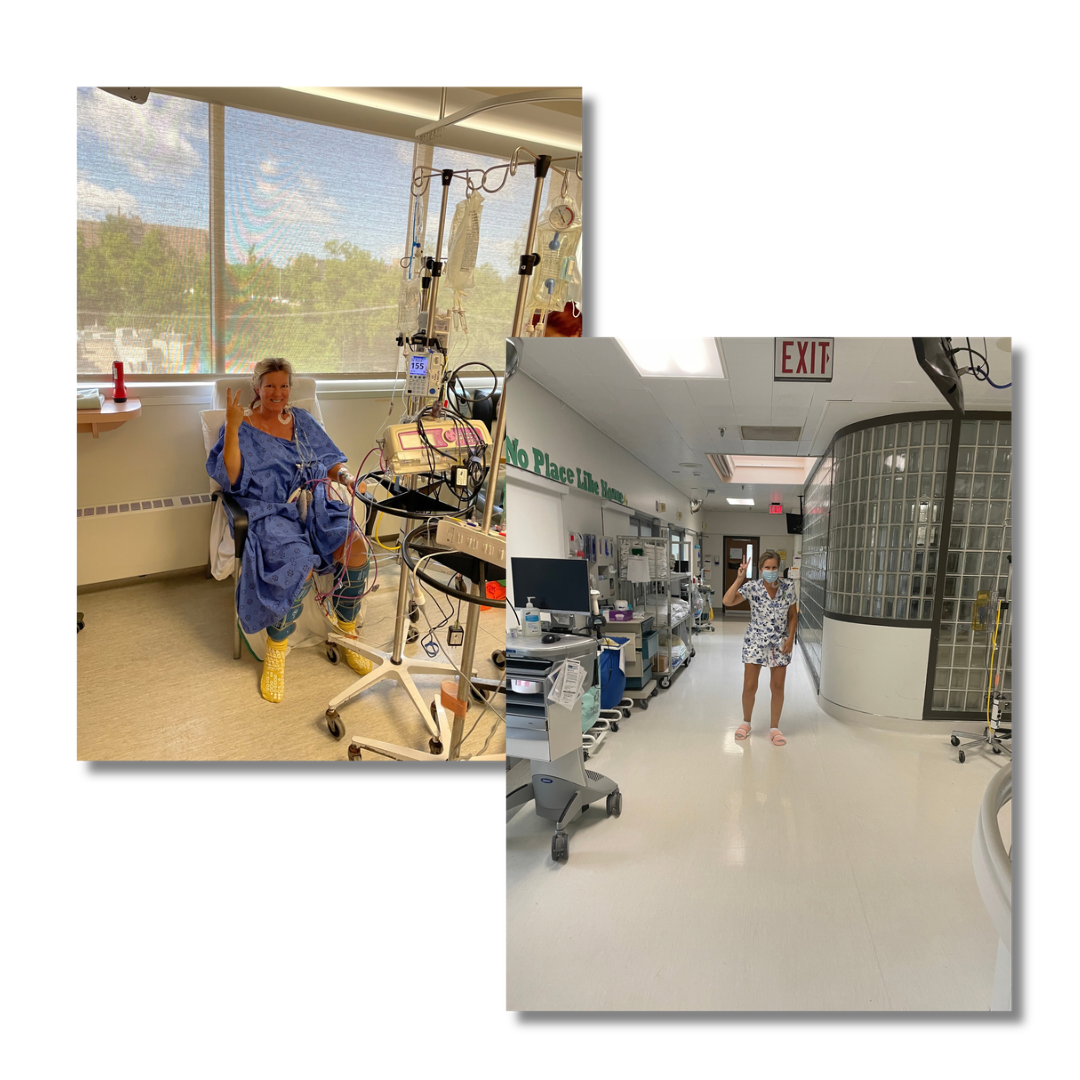
 I started dialysis during COVID restrictions, so I did it alone. Honestly, I probably would have wanted it that way anyway. It became this little ritual I did by myself.
At first, I decided I was going to conquer dialysis, too. I bought cute new yoga clothes. I did my hair.
I thought, I'm not going to be ugly on dialysis. Then I tried to block out as much of the experience as I could.
For sight, I would watch a movie or read a book. For hearing, I put something in my ears. For smell, I put peppermint oil under my nose. Anything I could do to numb out that room, I did. Eventually, though, I got very sick.
I was freezing during treatments. Dialysis wiped me out for the day. My hair started falling out, and what remained became brittle.
There was something particularly difficult about looking out the window and watching the world continue without you. People were running. People were shopping. And I was sitting there.
Eventually, I stopped trying to conquer it. I slept. I slept and slept and slept. I cried. I kept asking for updates about the transplant.
I think we need to be honest about dialysis. It extends people's lives. If it were my only option, I would embrace it. I know there are people who have lived on dialysis for many years, and I'm glad that treatment is there for them. But I don't want to turn it into a fairy tale. My experience was horrible.
If we aren't honest about what dialysis can be like, people won't understand how cruel kidney disease can be, or why we need better treatments and, ultimately, an end to PKD.
“I am not one of them”
Something happened during dialysis that I still think about. On my first day, I remember looking at the other patients and thinking, I'm not going to talk to anybody. I am not one of them. I still wanted to believe I was different.
There was another patient there who used a wheelchair. She came right up to me, looked at my face and said, “You are so beautiful. I love your braids.” I thanked her.
Then she was called in for her treatment, and she cheerfully told everyone, “Have a good treatment!”
Eventually, she ended up beside me. We got to know each other. Near the end of my time on dialysis, she told me she had a present for me. I went out and bought her a little angel and a card because I thought we were exchanging gifts. But she told me her present wasn't something she had bought.
At the end of my treatment, on one of my worst days when I was incredibly sick, she came over to me. She told me Disney was her favourite and Frozen was her favourite movie. And then she sang Do You Want to Build a Snowman? to me.
Everybody was crying. I remember thinking, Angela, you need to be grateful. Everything felt terrible at that moment, but I still had things other people wanted.
I have never forgotten her.
“What are you doing in two weeks?”
By this point, I had gone through the transplant workup. It was rigorous. I remember having something like eight appointments in one day. As I passed each step, I knew I was getting closer to being officially approved.
I was told there were people interested in being tested as living donors, although the transplant team couldn't tell me who they were. Then my dad told me he had put his name in. He was 73. But he just kept passing the tests.
Eventually, he sent me a text: What are you doing in two weeks?
He was going to donate a kidney to me. His kidney would come directly to me. Even then, I wouldn't let myself completely believe the transplant was going to happen. I couldn't. If something went wrong and it suddenly wasn't an option anymore, I didn't think I could deal with that. So I told myself, Okay, it's happening. But I wasn't going to absorb that it was really happening until it happened.
I didn't truly believe it until I woke up after surgery. My first question was basically: Did it work? Do I have a kidney?
I did. Four years later, that kidney even has a name. Hercules. Every day, I give gratitude to my dad, to my body and, of course, to Hercules.
Becoming a different person
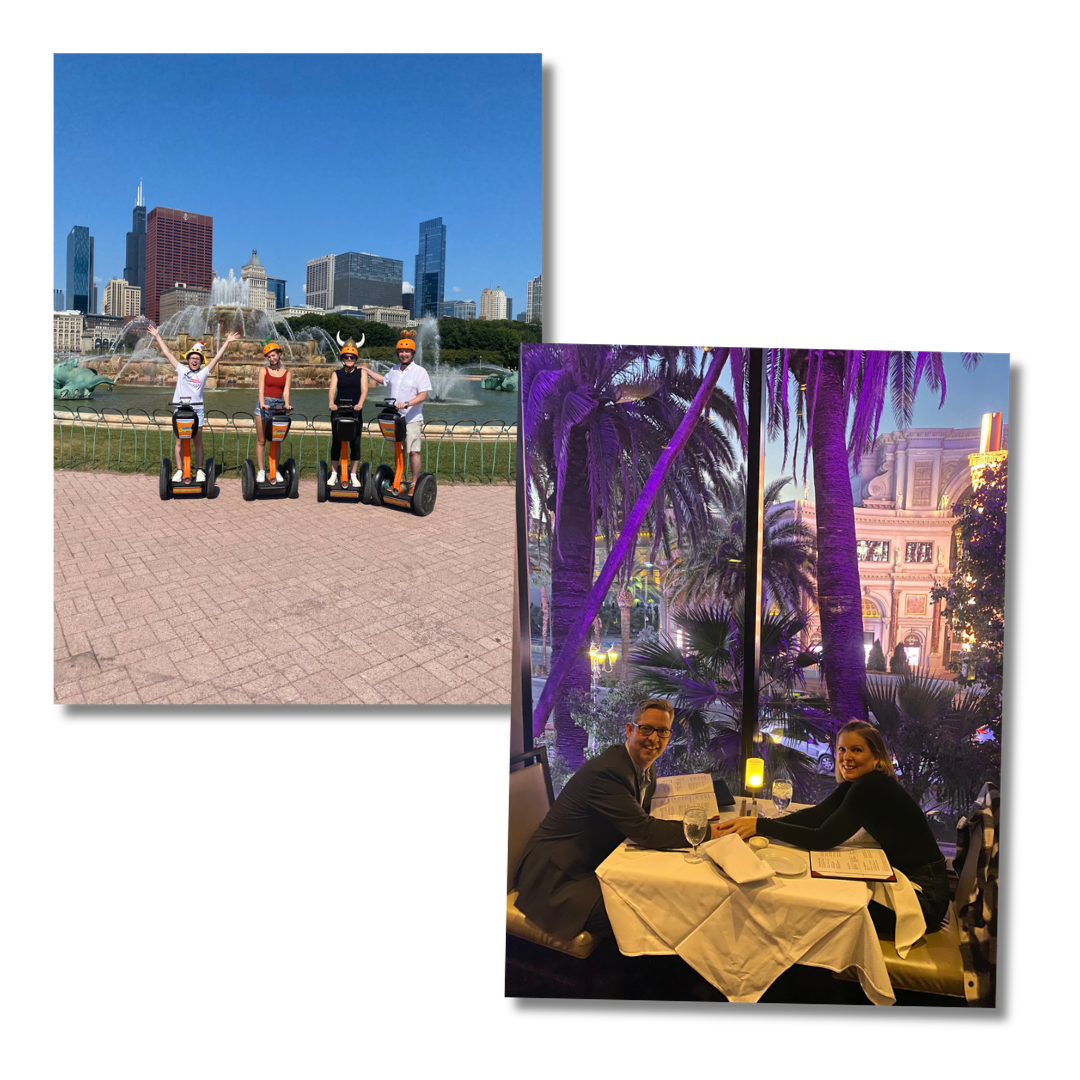
 I felt the difference in my energy almost immediately after the transplant. Today I can get up at five in the morning, have a coffee, work out, and keep going until I go to bed at ten. I feel like a machine. I went back to work full-time. I've had the energy to experience so many things.
Something else changed that I wasn't expecting: my brain. I joke that I'm smart now. I don't know exactly how to explain it. Maybe it was the brain fog from everything my body had been going through before transplant. But mentally, I felt different. My dad saw the difference, too.
He has told me, “You're just a completely different person. It's so fun to watch. You're a new person.” The funny thing is that I hadn't realized how sick I looked or felt before. In my head, I was still the workout girl.
Afterward, people who loved me started saying, “Oh yeah, you weren't looking so good.” And I'd think, Really? Nobody told me that!
Life after transplant isn't without health issues. I developed diabetes after transplant, which is managed, and the immunosuppressant medications (to prevent my body from rejecting the transplanted kidney) come with their own challenges. But when I think about my transplant, I have good things to say.
I'm thriving.
My body was at peace. My mind wasn't.
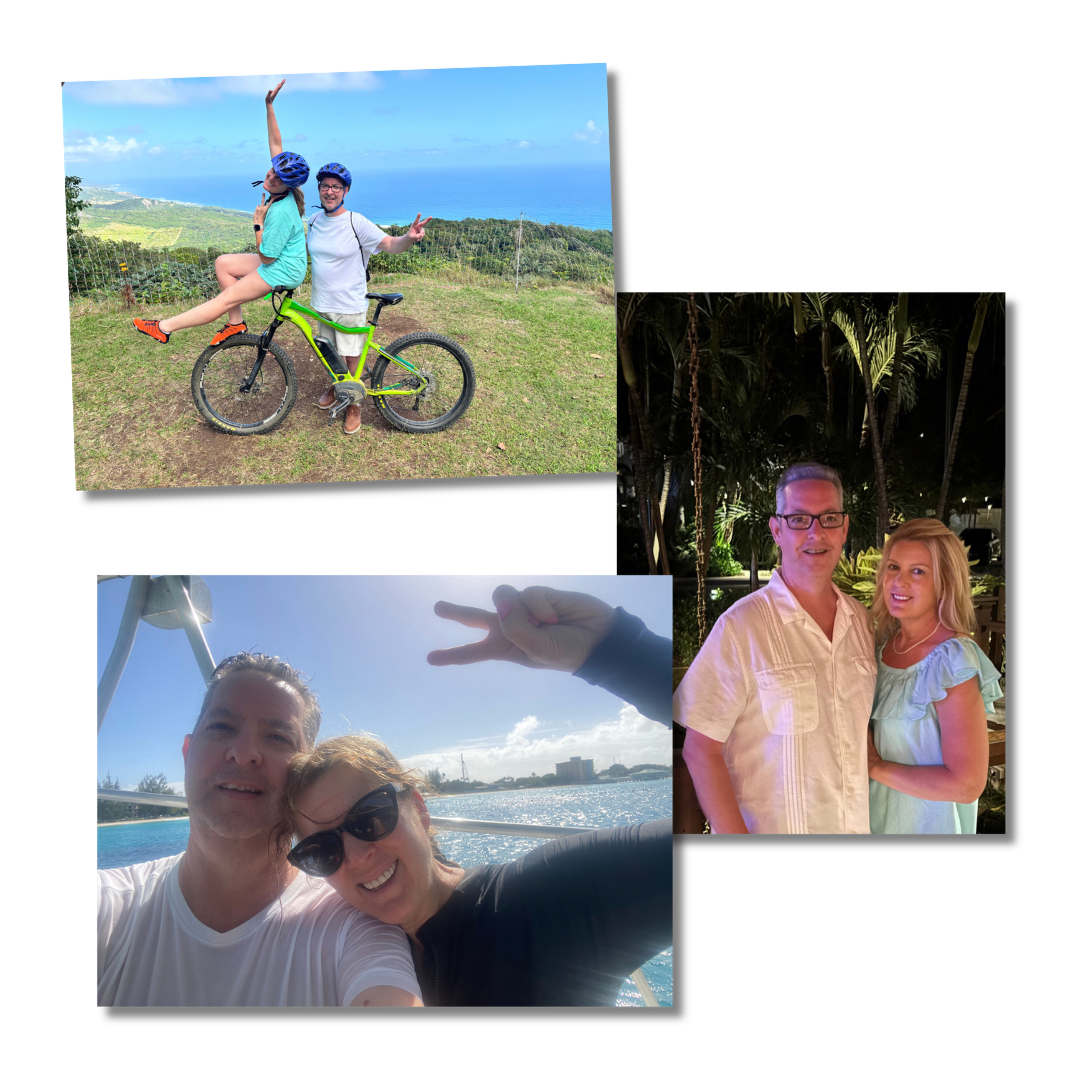 There is one thing I wish I had understood about life after transplant. I needed to decompress. For 47 years, I had been managing one issue after another. An appointment led to another appointment. There was always something to think about, manage or worry about. I was forever in crisis mode.
Then I had the transplant. The world got quiet. But my mind was still vibrating.
My body suddenly had a working kidney, but my brain had spent decades dealing with ARPKD. My mind was still humming from all those years of trying to control the train coming down the tracks.
Suddenly I was asking myself: Who am I now? I'm normal. Go back to work full-time, because that's what a normal person does. Eat foods without automatically thinking about how much potassium they contain. Wear a cute high-waisted dress because I have a waist again. Look down and see skinny ankles.
Those things sound small, but I had spent almost my entire life thinking about my body in relation to kidney disease. I needed help shedding all of that. Eventually, I sought help from a mental health professional for a year. It was one of the strongest things I did. I only wish I had done it sooner.
What I would tell myself now
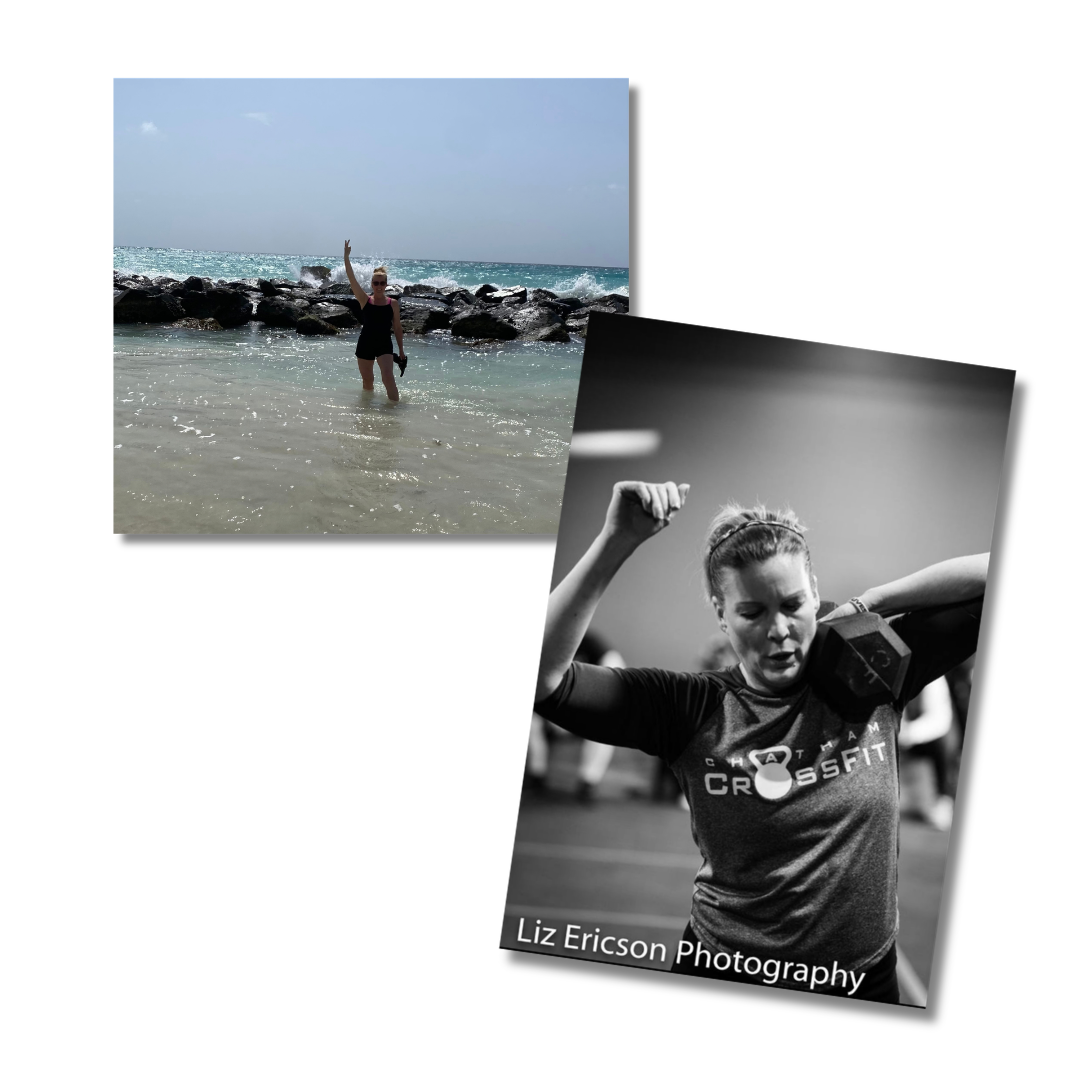 For years, I caused myself so much anxiety by believing I could control what was happening to my kidneys. A healthy diet and exercise are good things. Following your medical team's advice is important. But I turned those things into a fight.
Instead of enjoying my life as it was unfolding, I was always trying to change what the next blood test was going to say. Looking back, I would tell myself: Enjoy your life. Have a plan.
I wish I had embraced transplant planning sooner. I put it off because it scared me. But once I finally had a plan and started moving through it, it wasn't frightening in the way I had imagined. It was comforting. When you have a plan and you're following through with a plan, you feel like you're participating in your own life.
Today, even exercise feels different. I used to work out aggressively. I lifted very heavy weights. I ran excessive kilometres. I pushed myself because everything felt like a competition. Now I walk.
I love walking. I'll put on a TV show and walk for an hour. I do resistance training with bands. I'm still doing it for my health and to build muscle and stay strong as I get older.
But I'm not trying to prove anything anymore. It's peaceful now.
Angela Pickard, September 2026
Bradley’s story: Donating a kidney to my daughter
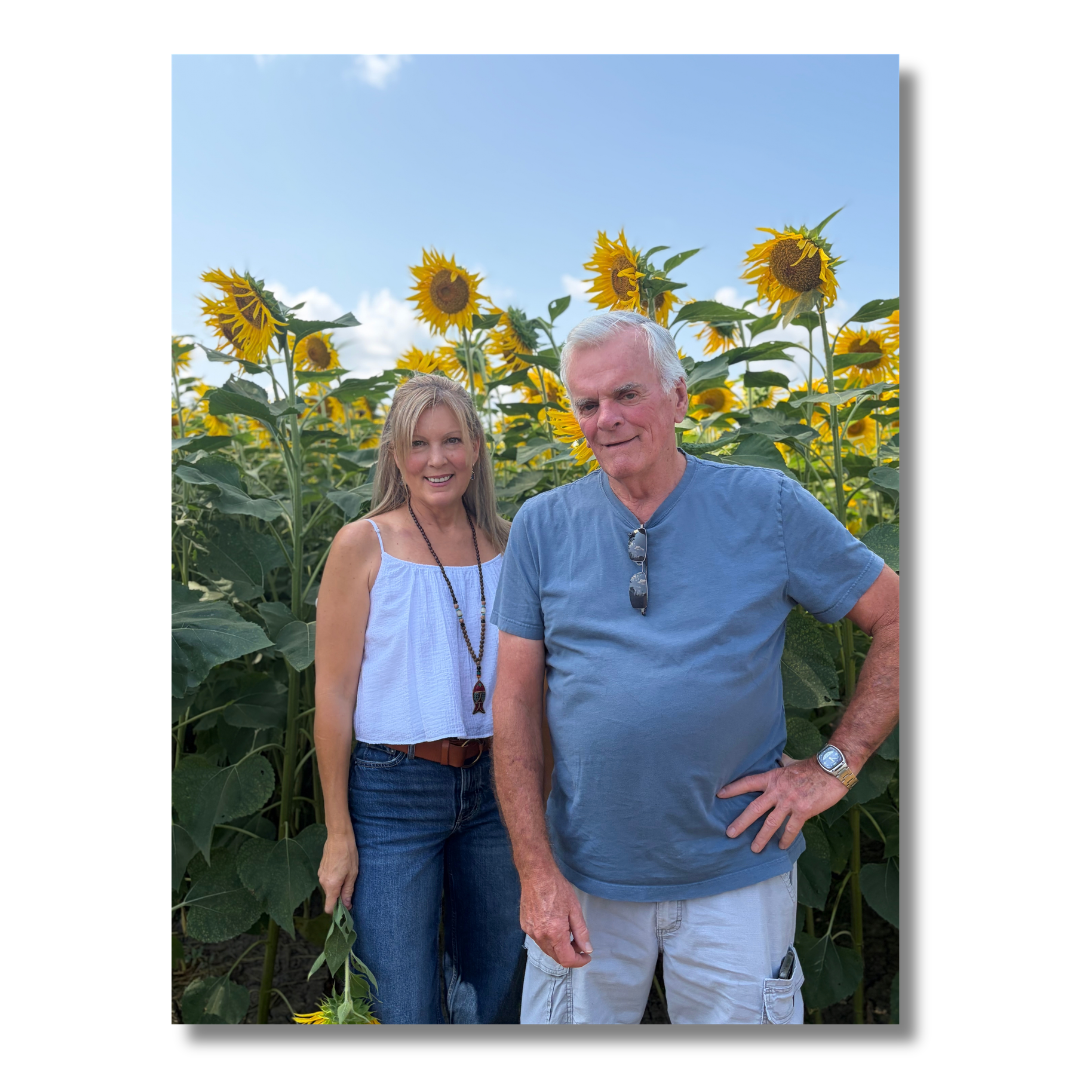 When Angela was only a couple of months old, our doctor detected that something was wrong.
It was scary. We were told she had what they called infantile PKD at the time, and the outlook wasn't good. We were told she wouldn't have a long life because the disease would progress too quickly.
But then Angie just kept living a normal life. You would never know there was anything wrong with her. For quite a few years, we made annual trips to London so the doctors could monitor her. She would stay in hospital for a few days while they did their testing.
As the years went by, we started to have more hope. Eventually we were told that her kidneys might begin to fail when she was around 50. And that's pretty much what happened.
Watching her health change
By late 2021, Angie was approaching 50 and her numbers were starting to change. She was still Angie. She was still high in spirits. But she was low in energy.
She was lethargic and tired all the time. She could get up and, within a couple of hours, need to go back and have another nap.
She started talking about people who might be willing to donate a kidney. This person might donate. Somebody else might donate. It went on like that for several months, but there wasn't a firm commitment.
At the time, I was in my 70s. I thought, There's no way they'll take me. Then I thought, If you don't ask, you'll never know.
So I asked.
“They didn't write me off”
One of the first things the transplant team asked was my age. I told them. I knew I was older than the usual donor they would see, but they didn't write me off.
First, they did a phone interview. Then they sent me a whole bundle of paperwork asking for my medical history and family history. I filled it all out and sent it back.
In February 2022, they asked me to come to London. That's when the testing really started. They did about six major tests on that first visit just to determine whether there was any sense in proceeding. One thing led to another.
The more they checked, the more they thought I could be a candidate. I had blood work and urine testing. I had ultrasounds. They checked my lungs and my heart. I had an echocardiogram. It seemed like they checked everything.
Most of that testing wasn't only about whether I could give Angie a kidney. It was about me. They wanted to make absolutely sure that I was healthy enough to donate and that I would be okay afterward. I actually found that reassuring. The more they investigated me medically, the more confidence I had.
At one point they also asked whether, if I wasn't a match for Angie, I would be willing to donate to somebody else. I said I would. If my kidney couldn't go directly to Angie but donating it could still help her receive a transplant (through the Kidney Paired Donation Program), I was prepared to do that.
The last test
By early June 2022, we were getting close. There was one last thing they needed to do: a crossmatch of our blood. Angie and I went to London together and had our blood taken.
Then, of all days, they called me on my birthday. The transplant coordinator told me the crossmatch was negative. For a second I thought, Negative? I can't do it? Then she explained that negative was what we wanted to hear.
Everything was good. I could donate directly to Angie. I had no hesitation.
People have asked me whether I was nervous about having surgery. I wasn't. Nothing.
Donating my kidney
The surgery was on a Wednesday. I came home Saturday morning.
Before the operation, I had wondered what recovery would be like because two of the things I enjoy most are golfing and cycling. I even bought myself an e-bike before surgery. I thought it might take some of the strain out of cycling when I was eventually able to get back to it. I took things easy when I first came home.
But by the second week, I took a little ride around the block on my bike. I felt pretty good. What amazed me was how well everything went. The care I received at London Health Sciences Centre was excellent. The transplant team had explained beforehand what would happen and what I could expect afterward. Everything they told me was pretty much spot on.
I felt very well supported, not just by the doctors but by the people working behind the scenes. I had a transplant coordinator and my own social worker. They made it very clear what was going to happen from the beginning.
I was going into the unknown. They made it feel much less unknown.
Seeing the difference in Angie
The most important part, though, was what happened to Angie. The difference was spectacular.
Before the transplant, she could get up in the morning and need another nap within a couple of hours. Now she can get up around 5:30 in the morning and go steadily all day until nine or ten at night. It's incredible. That's the part I get to see.
I didn't just donate a kidney and then walk away from what happened next. I get to watch my daughter live with the energy she didn't have before.
Of all the experiences I've had in my life – raising kids, being with my wife, doing all the things I've been fortunate enough to do – this is beyond anything else. If I could donate again, I would.
Four years later
More than four years later, donating a kidney has not made a noticeable difference to what I can physically do. I still cycle thousands of kilometres a year. I take care of my property and my house. I cut grass, clean eavestroughs and do the things I've always done. I also help a neighbour with his yard work and home maintenance.
I still have follow-up appointments. Before them, I have blood and urine tests and track my blood pressure so the transplant team can continue to monitor me.
I know everyone's experience is different, and I've always been fortunate to be very healthy. But for me, there has been no negative impact on my day-to-day life from donating.
I sometimes joke that the worst part of the whole thing was when the hair on my stomach started growing back after surgery. It was incredibly itchy. If that's the worst complaint I can come up with, I think I've done pretty well.
When I first considered donating, I was going into the unknown. Now, when people ask me about it, I can tell them what it was like for me. The testing was extensive because the transplant team wanted to protect my health. The care was excellent. My recovery went very well.
And I get to see the difference that kidney made in my daughter's life. For me, there's nothing else quite like that.
Bradley Stewart, September 2026