
Weight management with PKD: losing, gaining or maintaining weight | Kidney Nutrition
Learn how PKD can affect weight, appetite and nutrition, and get practical dietitian tips for healthy weight loss, preventing weight loss and maintaining muscle.
Learn how PKD can affect weight, appetite and nutrition, and get practical dietitian tips for healthy weight loss, preventing weight loss and maintaining muscle.

Eating out with PKD? Get practical kidney-friendly tips for restaurants, road trips, flights and travel from a registered dietitian.

Find easy dinner ideas for PKD, including kidney-friendly meal planning tips, quick cooking methods, simple meal templates and a seven-day dinner plan.

Learn when fluid restrictions may become necessary with PKD, why urine output decreases as kidney function declines, and practical tips for managing thirst and staying healthy.
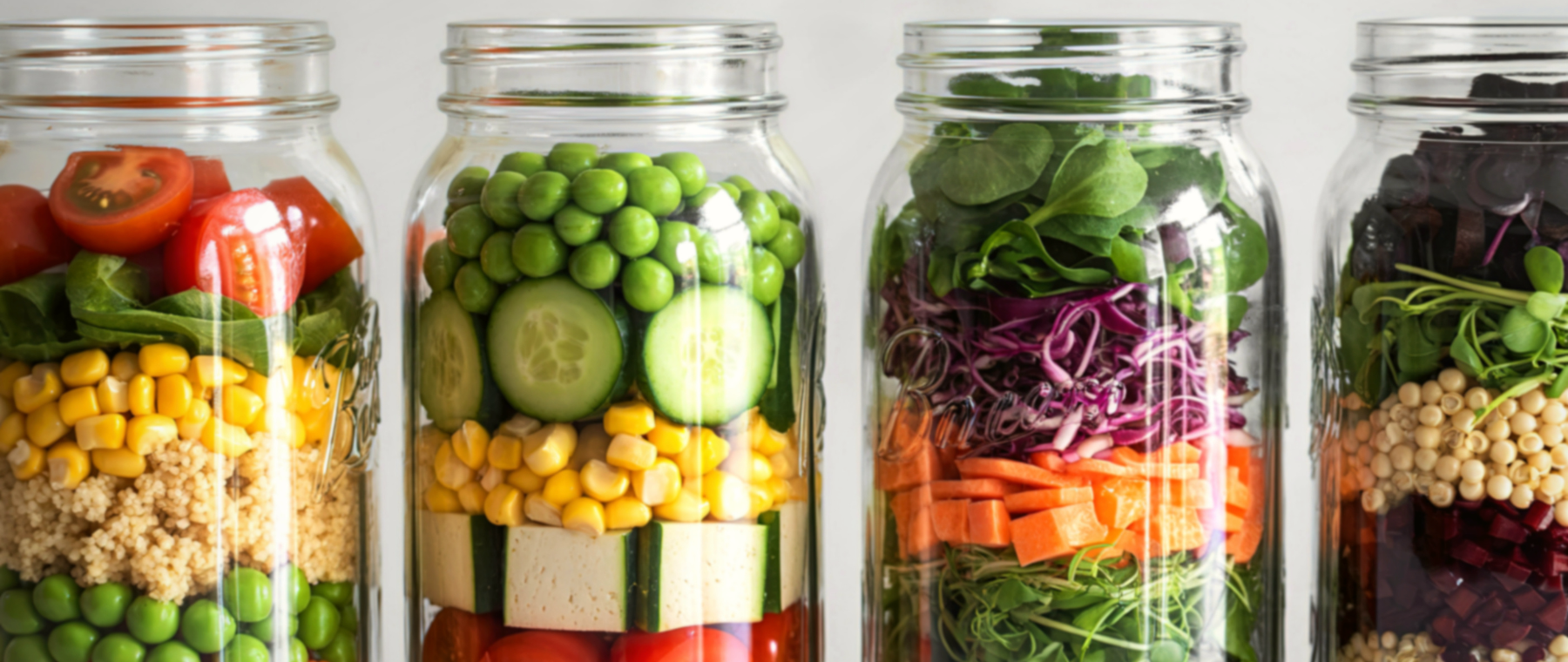
Lunch can be one of the hardest meals with PKD. These simple, kidney-friendly ideas can help you plan ahead for work, school, and everyday life.
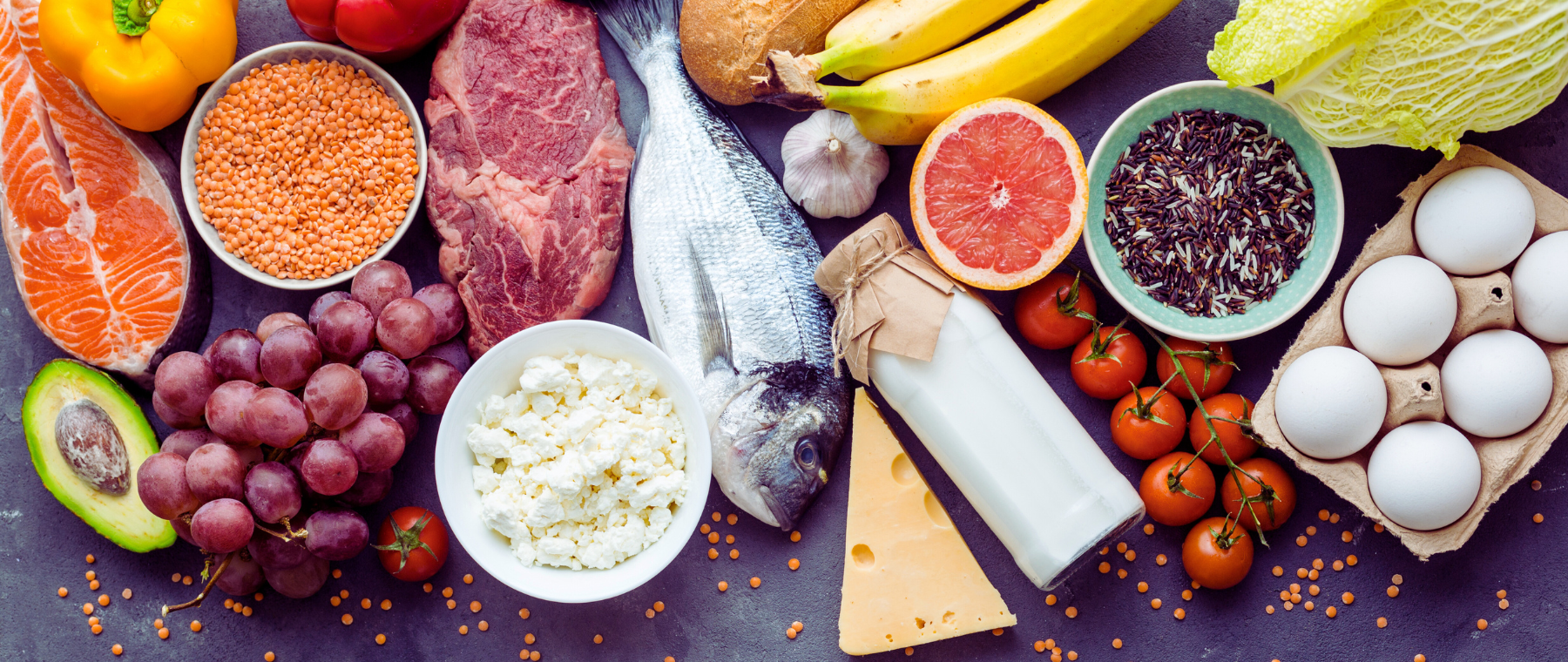
Learn how to eat well with PKD without strict rules. This guide covers sodium, protein, hydration, and stage-based nutrition to support kidney health and a positive relationship with food.
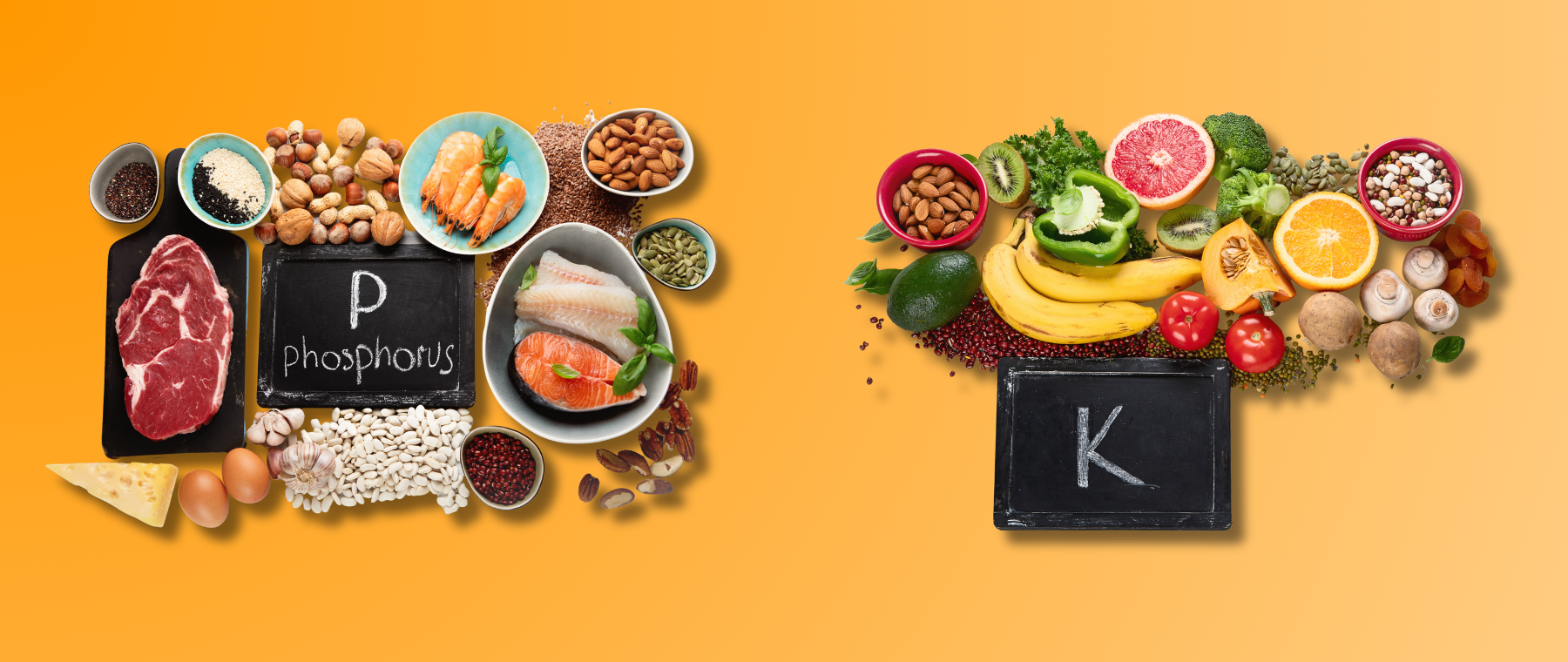
If you’re living with polycystic kidney disease (PKD), you’ve probably heard mixed messages about phosphorus and potassium – especially when it comes to food additives. Here’s what people with polycystic kidney disease need to know about reading labels, protecting kidney health, and avoiding unnecessary dietary restrictions.
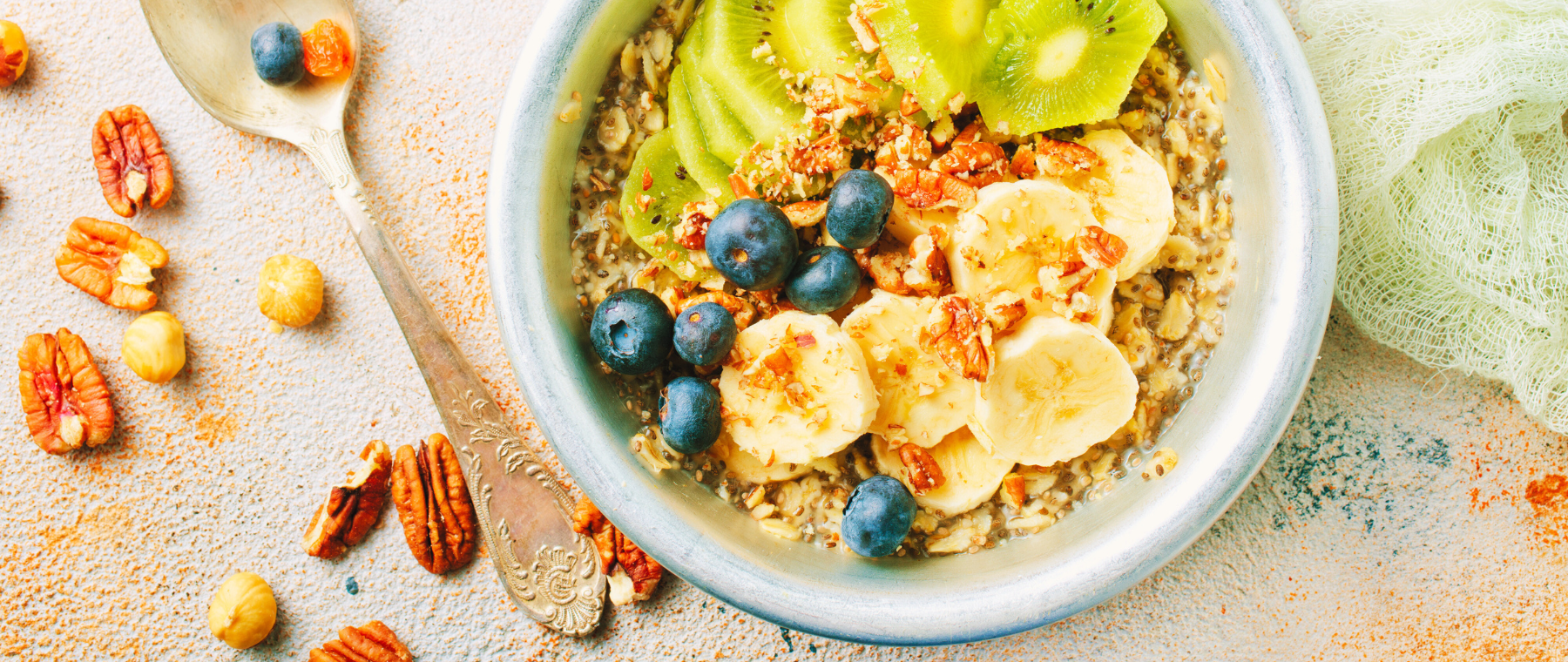
For people living with PKD, a well-balanced breakfast can help steady blood sugar, control appetite, and support weight management. This blog post is a practical, ready-to-use breakfast guide to help you plan meals that satisfy, nourish, and fit your PKD goals.

Love Your Kidneys II: A Week of PKD-Friendly Meals makes it easier than ever to plan meals that support your kidney health, reduce sodium, and introduce more plant-based foods. It’s written by registered dietitians Emily Campbell and Roxanne Papineau, with input from people living with PKD—so it’s practical, realistic, and...

This special resource brings together trusted kidney nutrition guidance, practical planning tools, and festive inspiration in one place—so you don’t have to search for answers during an already full season.