Managing Added Sugar with PKD | Kidney Nutrition
Many people living with PKD are surprised to learn that added sugar can affect kidney health. Sugar does not directly “damage” the kidneys. The concern is how sugar affects the body over time—and how it can speed up PKD progression.
When we eat a lot of added sugar, it can change blood sugar levels, insulin levels, and inflammation in the body. These changes may play a role in how PKD progresses.
Why Reducing Added Sugar Matters With PKD

1. Sugar affects blood sugar and insulin, which may influence cyst growth
Research shows that higher insulin levels can activate pathways linked to cyst growth in PKD. Foods high in added sugar and refined carbohydrates cause quick spikes in blood sugar and insulin.
Common sources include:
- Pop and sweetened drinks
- Juice
- Cakes, cookies, and pastries
- White bread and other refined grains
Reducing added sugar can help:
- Keep blood sugar more stable
- Lower insulin spikes
- Possibly reduce stimulation of cyst growth pathways
You do not need a “low-carbohydrate” diet. The goal is to reduce added sugars and refined carbs, not to avoid carbohydrates altogether.
2. High-sugar diets increase inflammation
PKD is already linked with chronic inflammation in the body. Diets high in added sugar can increase:
- Inflammatory markers
- Oxidative stress
- Loss of antioxidant protection
Lowering added sugar may help keep inflammation in check and support both kidney health and overall well-being.
The Goal Is Not to Cut Out All Sugar If You Have PKD
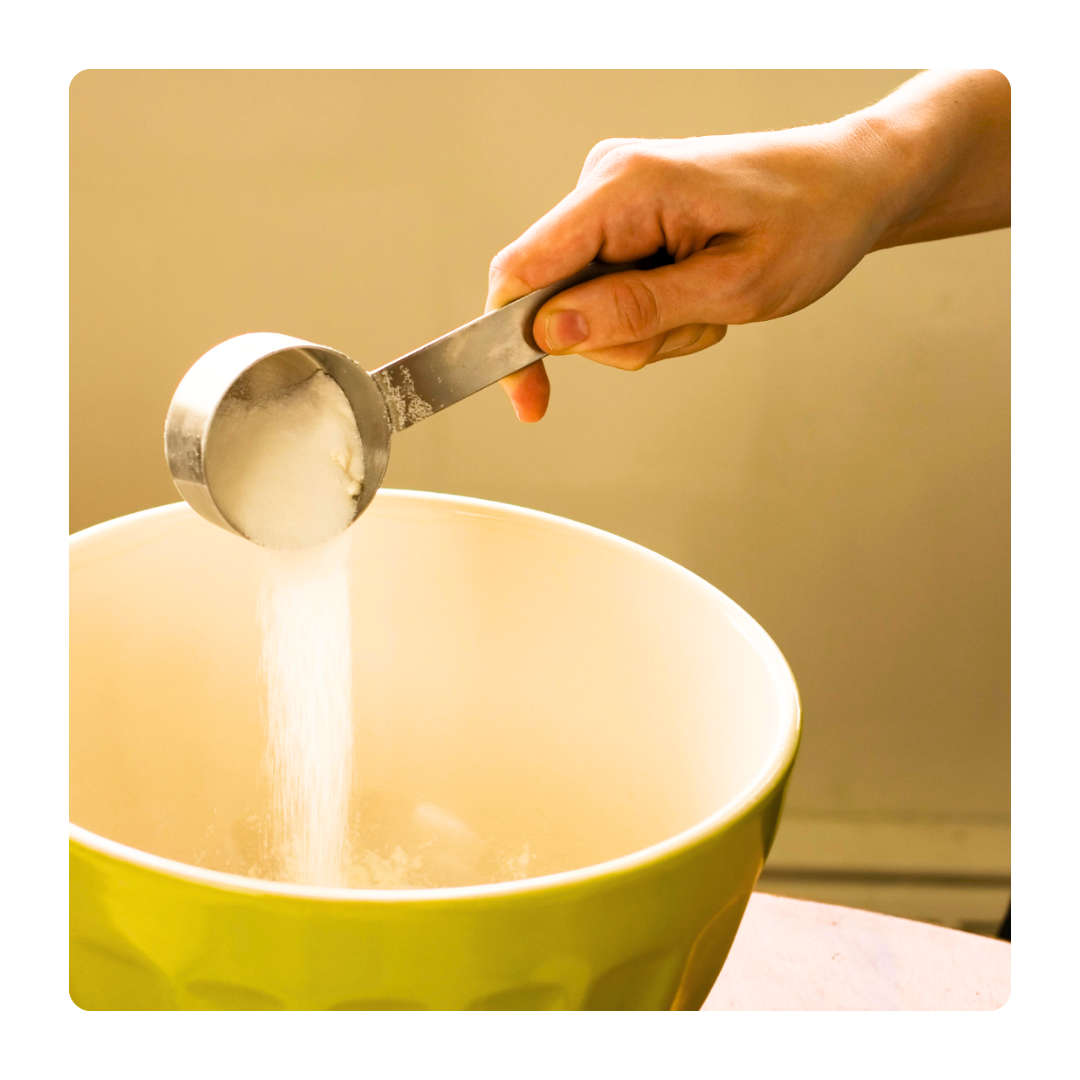
Not all sugar is the same. With PKD, the focus is on reducing added sugar, not avoiding sweet foods completely.
This means being mindful of:
- Portion sizes
- How often you eat sugary foods
- Where the sugar is coming from
- Swapping high-sugar foods for lower-sugar options when you can
Natural sugars found in whole foods like fruit and dairy are not the main concern. The biggest impact comes from added sugars in packaged foods and drinks.
When people try to cut out all sugar, cravings often get stronger. Cravings are not a lack of willpower. They are a normal response to things like:
- Skipping meals or eating too little (can lead to intense cravings later in the day)
- Stress, fatigue, or strong emotions (your brain is wired to seek quick comfort when your cortisol rises)
- Habits and routines (if you’re used to a nightly sweet snack, your brain learns to expect it)
- Very restrictive diets (cutting out too many foods often backfires, making cravings stronger)
Understanding why cravings happen helps you respond thoughtfully instead of feeling out of control.
Practical Ways to Handle Sugar Cravings With PKD
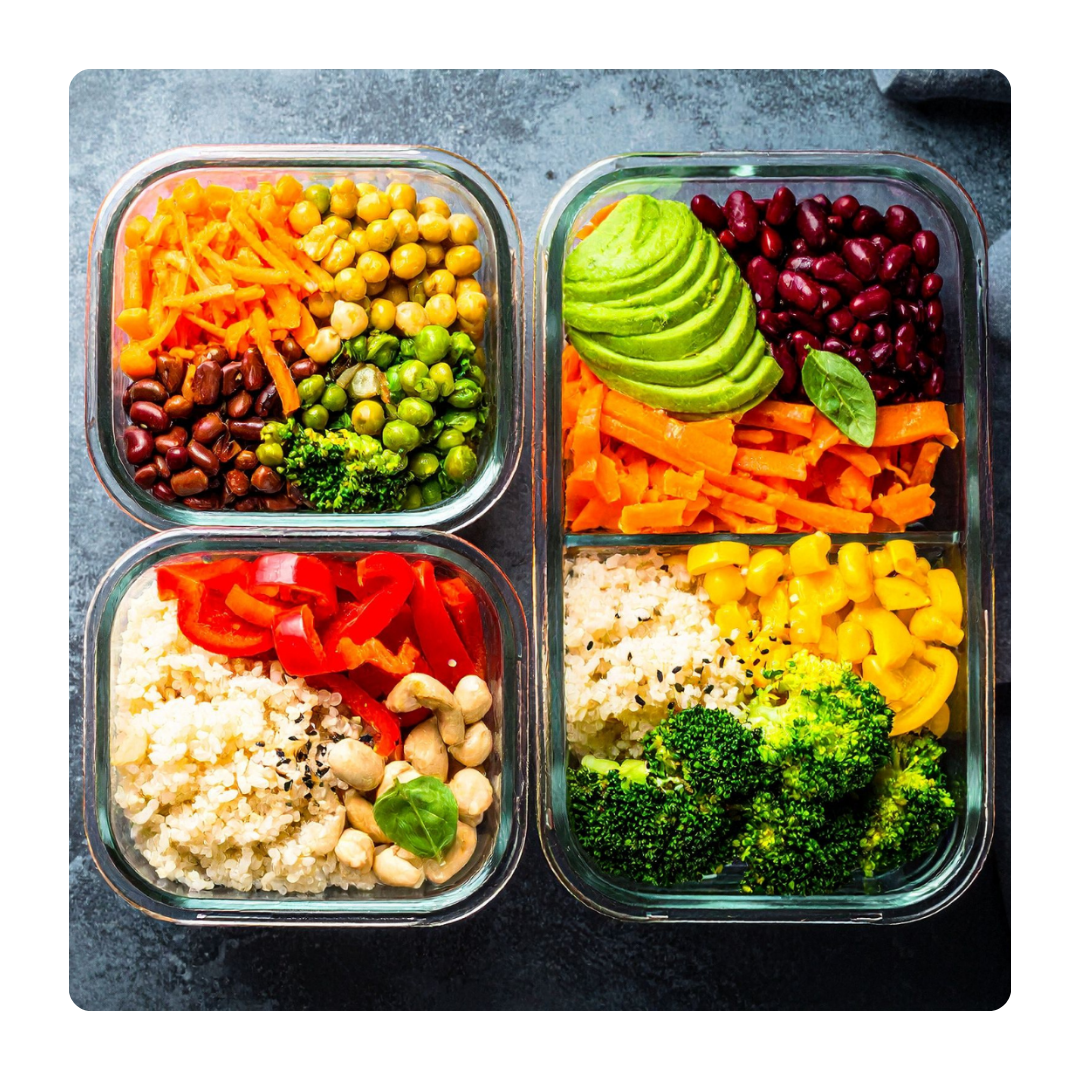
1. Eat balanced, regular meals
Cravings are much less intense when meals include:
- A protein source (beans, Greek yogurt, poultry, tofu)
- Fibre-rich carbohydrates (fruit, oats, quinoa, whole grains)
- Healthy fats (avocado, nuts, seeds, olive oil)
These help keep blood sugar steady, which supports energy levels and reduces cravings.
2. Don’t completely ban your favourite foods
Allowing all foods in moderation helps avoid the “all-or-nothing” cycle.
You might try:
- A smaller portion of your favourite treat
- Pairing sweets with protein to slow sugar absorption
- Choosing a kidney-friendlier option, like fruit with nut butter
3. Create a supportive food environment
Your surroundings often matter more than willpower.
Helpful ideas include:
- Keeping high-sugar foods out of immediate sight
- Stocking easy, lower-sugar snacks such as:
- Fresh fruit
- Sliced vegetables with dip
- Greek yogurt
- Popcorn
- Energy bites with minimal added sugar
- Homemade high-fibre muffins, like the recipe below
Simple Strategies to Reduce Added Sugar
1. Swap instead of eliminate
Small changes add up over time. Examples:
- Flavoured yogurt → plain yogurt with berries and vanilla
- Sugary drinks → infused water or herbal tea
- Breakfast pastries → oatmeal sweetened with banana or cinnamon
- Juice → a smoothie or a piece of fresh fruit
- Baking with less sugar → use fruit instead of sugar, honey, or maple syrup

A quick label check can help:
- Aim for foods with 5% Daily Value or less of sugar per serving (or lower, when possible)
- Look for added sugars in the ingredient list, such as cane sugar, syrup, honey, or molasses
Perfection is not the goal. Awareness is.
3. Make meals more filling
Cravings for sweets often mean your body wants more fuel.
Try adding:
- More fibre (chia, flax, oats, vegetables)
- Enough protein
- Quality carbohydrates like whole grains (quinoa, farro, whole-grain pasta) – a quarter of your plate
Meals that leave you full and satisfied naturally reduce cravings later.
Staying Motivated on Your PKD Nutrition Journey
Managing sugar intake with PKD does not require a complete diet overhaul. It’s about:
- Building balanced meals
- Creating supportive food environments (having nutritious foods available helps you choose them)
- Making small, realistic swaps (like reducing your portion size)
- Focusing on progress, not perfection
Your PKD nutrition journey is about balance, consistency, and kindness toward yourself. Every small step counts. Choosing fruit instead of a pastry, drinking water instead of pop, or baking with less sugar are all wins. Over time, these habits support kidney health while still allowing you to enjoy the foods you love.
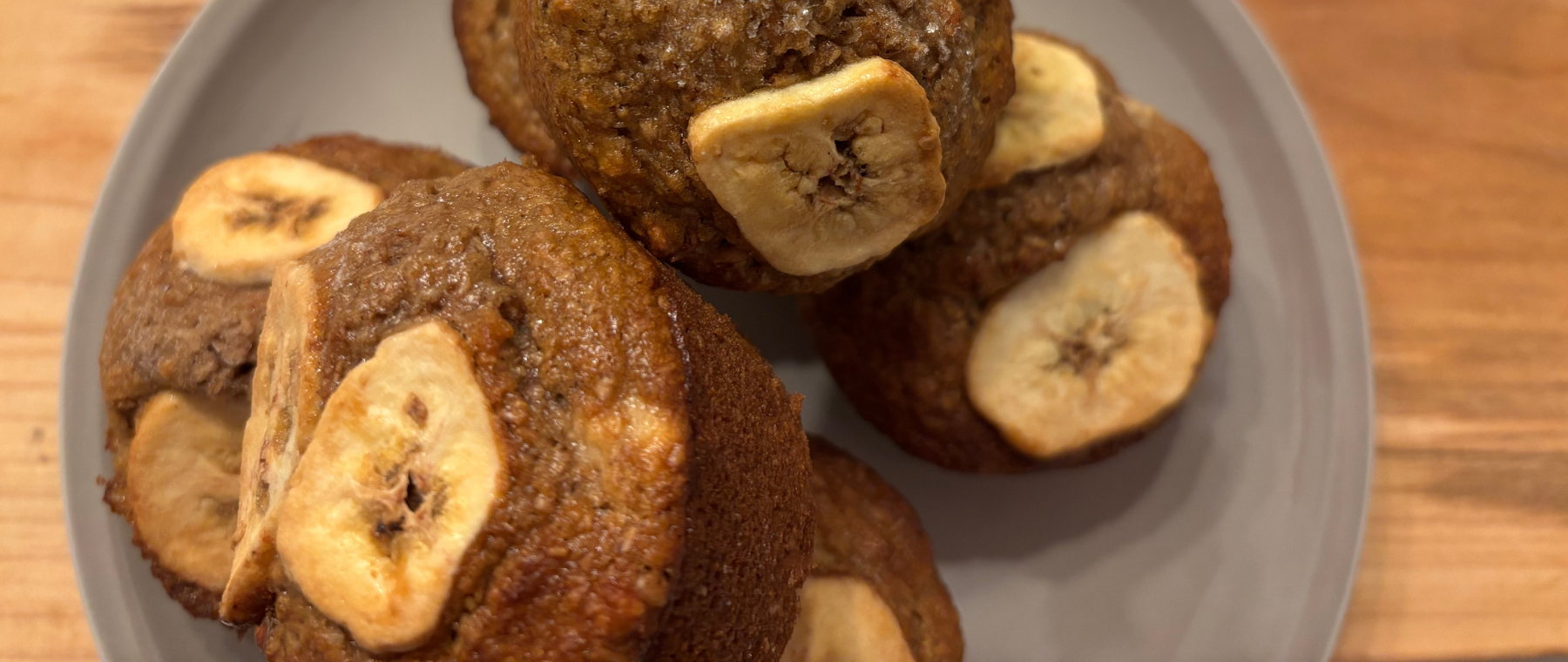
Whole Wheat Banana Muffins
Makes 12 muffins
Ingredients
- 2 medium ripe bananas, mashed
- 1 teaspoon baking soda
- 1 teaspoon baking powder
- 1/4 teaspoon salt
- 1 teaspoon ground cinnamon
- 1/3 cup canola oil
- 2 eggs
- 2 teaspoons vanilla extract
- 1 ¾ cups whole wheat flour
- 1/4 cup chopped walnuts
Instructions
- Preheat oven to 350°F.
- Line a muffin pan with liners.
- In a large bowl, mix bananas, baking soda, baking powder, salt, and cinnamon.
- Beat in oil, eggs, and vanilla.
- Add flour and gently mix until just combined. Do not overmix.
- Divide batter evenly into muffin cups.
- Bake for 18 to 19 minutes, until a toothpick comes out clean.
- Let cool in the pan before removing.
Nutrition Facts (per muffin): 163 calories, 17 g carbohydrates, 3 g sugar, 2 g fibre, 9 g fat, 205 mg sodium, 153 mg potassium, 98 mg phosphorus
About the Author
Emily Campbell, RD CDE MScFN is a Registered Dietitian and Certified Diabetes Educator with a Master’s Degree in Foods and Nutrition. Emily specializes in helping those with kidney disease overcome the confusing world of nutrition to promote health. Emily can be found at kidneynutrition.ca.
More
- Curious about how to eat less sugar around the holidays? Check out our Getting Ready for the Holidays Guide!
- Looking for more information about what to eat with PKD? Check out Love Your Kidneys, a PKD cookbook and nutrition guide written especially for people with PKD.
- Watch one of Emily's webinar or PKD Summit recordings on the topic of Nutrition and PKD here, or
- Browse through the rest of Emily's Kidney Nutrition blogs on our website.
- Find an index to all of Emily's blogs on My PKD. Not a member yet? Sign up here.