Food Safety for PKD | Kidney Nutrition
Food safety means handling, cooking, and storing food so it doesn’t make you sick. It matters for everyone - especially people with PKD and transplant recipients - because it lowers the risk of food poisoning. Here’s what it involves and why it’s important.
Why food safety matters
Food poisoning happens when food has harmful germs like bacteria, viruses, or parasites. Some people get sicker from these germs, including young children, older adults, pregnant people, and anyone with a weaker immune system (such as people with kidney disease or transplant recipients). Even a mild infection can lead to serious problems.
Why it’s extra important for PKD and transplant
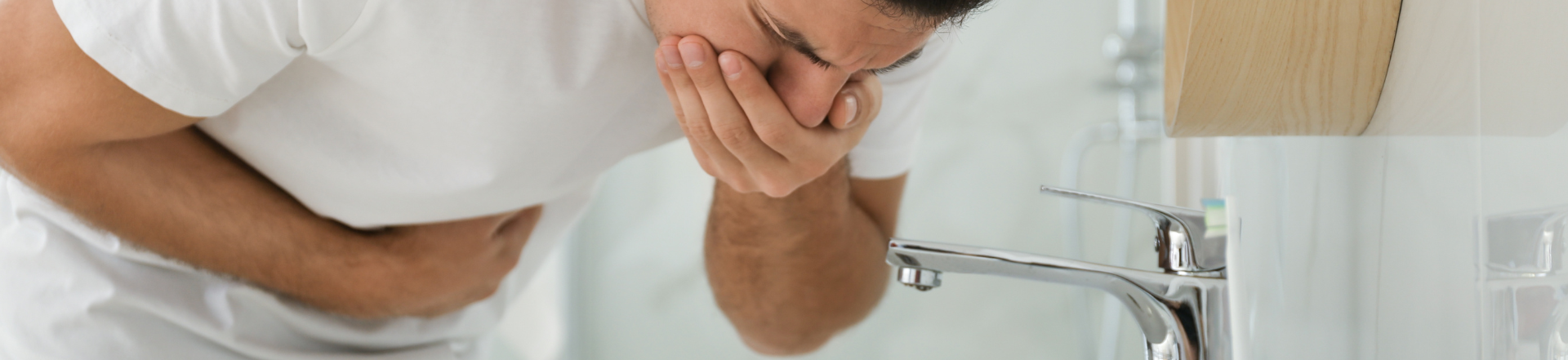
Food poisoning often causes vomiting and diarrhea. That can lead to dehydration and may trigger an acute kidney injury (AKI).
After a transplant, your immune system is weaker - either because of the condition or the medicines you take to prevent rejection. These medicines increase your risk of infections, including foodborne illness, which can harm your kidney and your overall health.
The 4 pillars of food safety: Clean, Cook, Chill, Separate
1. Clean: wash hands and surfaces
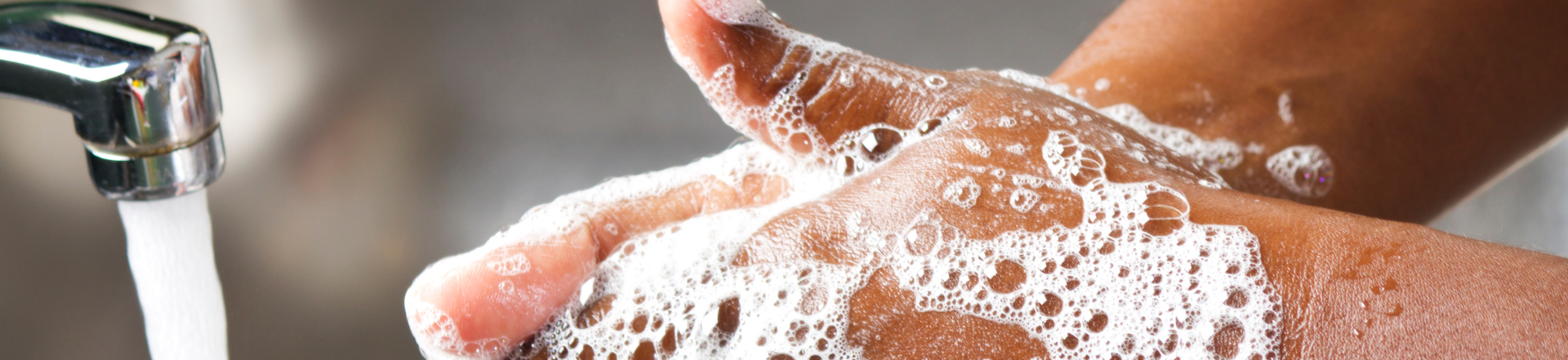
- Wash your hands with soap and water for at least 20 seconds before cooking, after handling raw meat, and after using the bathroom.
- Clean surfaces and tools. Wash counters, cutting boards, and utensils with hot, soapy water.
- Rinse produce. Rinse fruits and vegetables under running water, even if you plan to peel them.
2. Cook: use the right temperatures
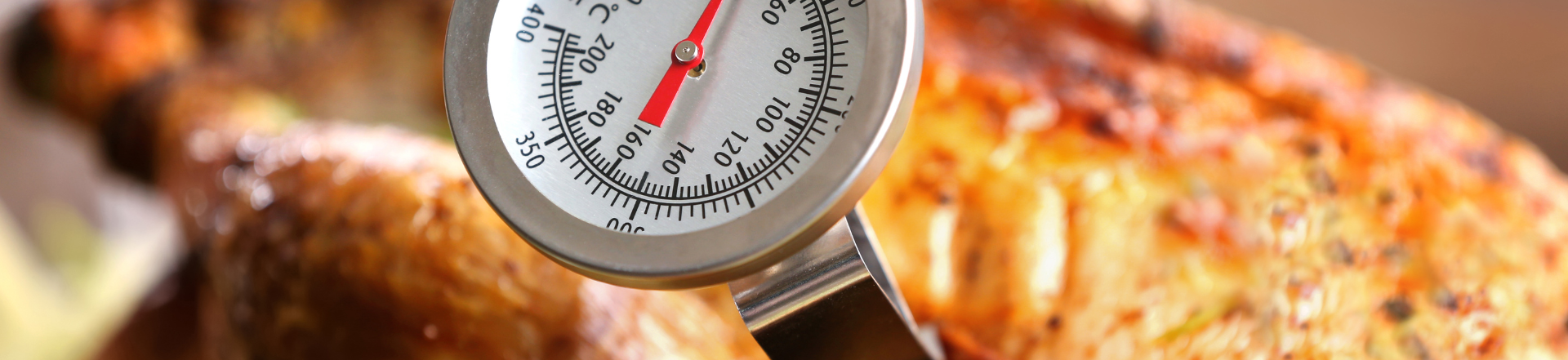
Heat kills germs that cause illness. A digital food thermometer is the best way to check doneness.
- Meat: Cook poultry to 74 °C (165 °F). Cook ground meats to 71 °C (160 °F).
- Leftovers and casseroles: Reheat to 74 °C (165 °F).
- Eggs and seafood: Cook eggs until the yolk and white are firm. Cook seafood until it’s opaque and flakes easily.
For more on safe cooking temperatures, check out this resource.
3. Chill: keep food cold enough
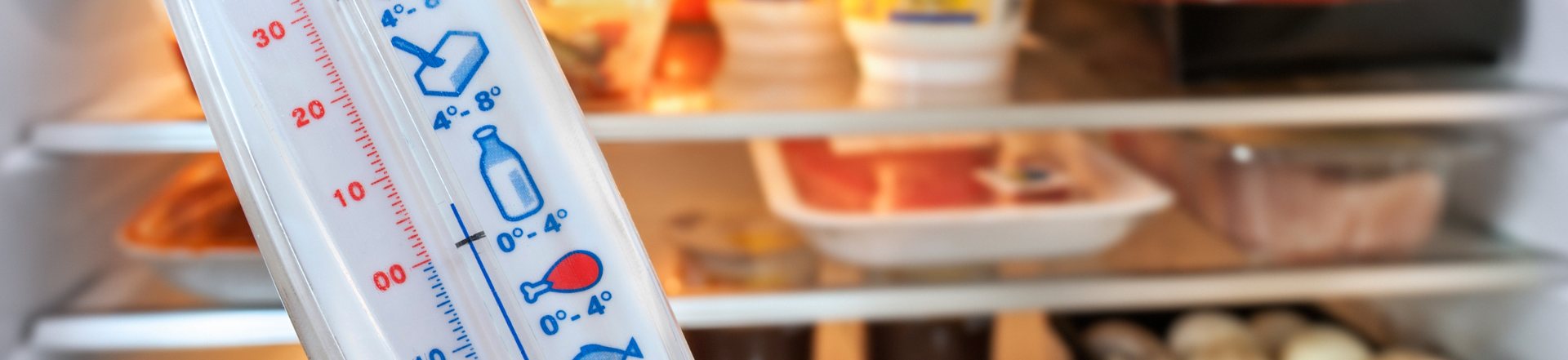
Germs grow fastest between 4 °C (40 °F) and 60 °C (140 °F), so it’s important to keep cold foods cold and hot foods hot.
- Refrigerate right away. Put perishable foods (meat, dairy, leftovers) in the fridge within 2 hours - or 1 hour if the room is over 32 °C (90 °F).
- Cool leftovers fast. Divide big batches into shallow containers before refrigerating. Eat within 3–4 days.
- Set safe appliance temps. Keep the fridge at 4 °C (40 °F) and the freezer at –18 °C (0 °F). Use a thermometer to be sure.
- Thaw safely. Thaw in the fridge, in the microwave, or under cold running water - not on the counter.
4. Separate: avoid cross-contamination
Don’t let germs move from raw foods to ready-to-eat foods.
- Store raw meat low. Keep raw meat on the bottom shelf so juices can’t drip onto other foods.
- Use separate cutting boards. One for raw meat, another for produce. Colour-coded boards help (e.g., red for meat, green for produce).
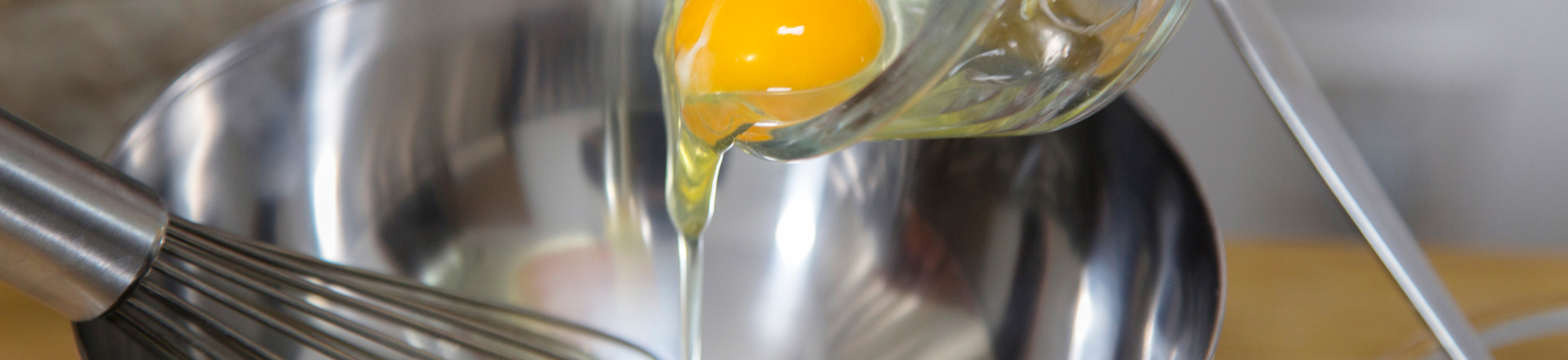
- No double-dipping. Use clean utensils for tasting and stirring, especially around raw meat or eggs.
Extra food safety tips
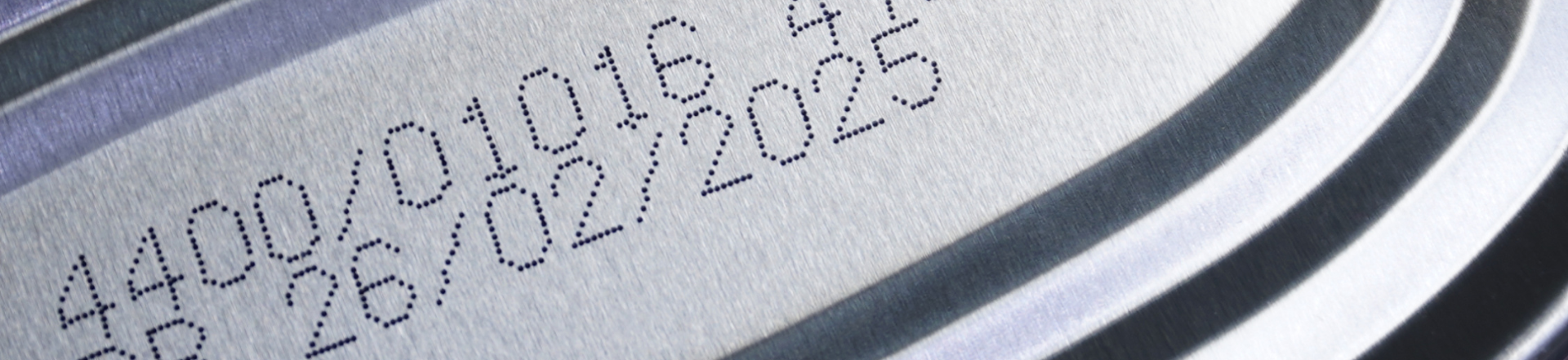
- Read labels. Check best-before dates, storage directions, and handling tips. Follow “refrigerate after opening” rules.
- Watch for recalls. Stay up to date with Canadian Food Inspection Agency alerts. If a food you have is recalled, throw it out or return it.
- Shop smart. Keep raw meats separate from ready-to-eat foods in your cart and bags. Set aside one reusable bag for raw meat and wash reusable bags often.
- Inspect cans. Skip cans that are dented, bulging, or rusty - these can let in bacteria like botulism.
- Know your personal limits. Some foods can be risky based on your health or medicines (for example, grapefruit or starfruit for some people). After a transplant, avoid unpasteurized foods and raw items like sushi or runny egg yolks. Get advice from your healthcare team.
The bottom line
Foodborne illness is largely preventable. Washing hands, cooking to the right temperatures, keeping foods cold, and preventing cross-contamination all cut your risk.
Combine the Clean, Cook, Chill, Separate steps with smart shopping and recall checks so you can enjoy your meals with confidence - especially when living with PKD or after a transplant.
About the Author
Emily Campbell, RD CDE MScFN is a Registered Dietitian and Certified Diabetes Educator with a Master’s Degree in Foods and Nutrition. Emily specializes in helping those with kidney disease overcome the confusing world of nutrition to promote health. Emily can be found at kidneynutrition.ca.
More
- Looking for more information about what to eat with PKD? Check out Love Your Kidneys, a PKD cookbook and nutrition guide written especially for people with PKD.
- Watch one of Emily's webinar or PKD Summit recordings on the topic of Nutrition and PKD here, or
- Browse through the rest of Emily's Kidney Nutrition blogs on our website.