Planning the Perfect Breakfast with PKD | Kidney Nutrition
Breakfast isn’t just the first meal of the day. For people living with PKD, a well-balanced breakfast can help steady blood sugar, control appetite, and support weight management. This blog post is a practical, ready-to-use breakfast guide to help you plan meals that satisfy, nourish, and fit your PKD goals.
Principles of the Perfect Breakfast for PKD
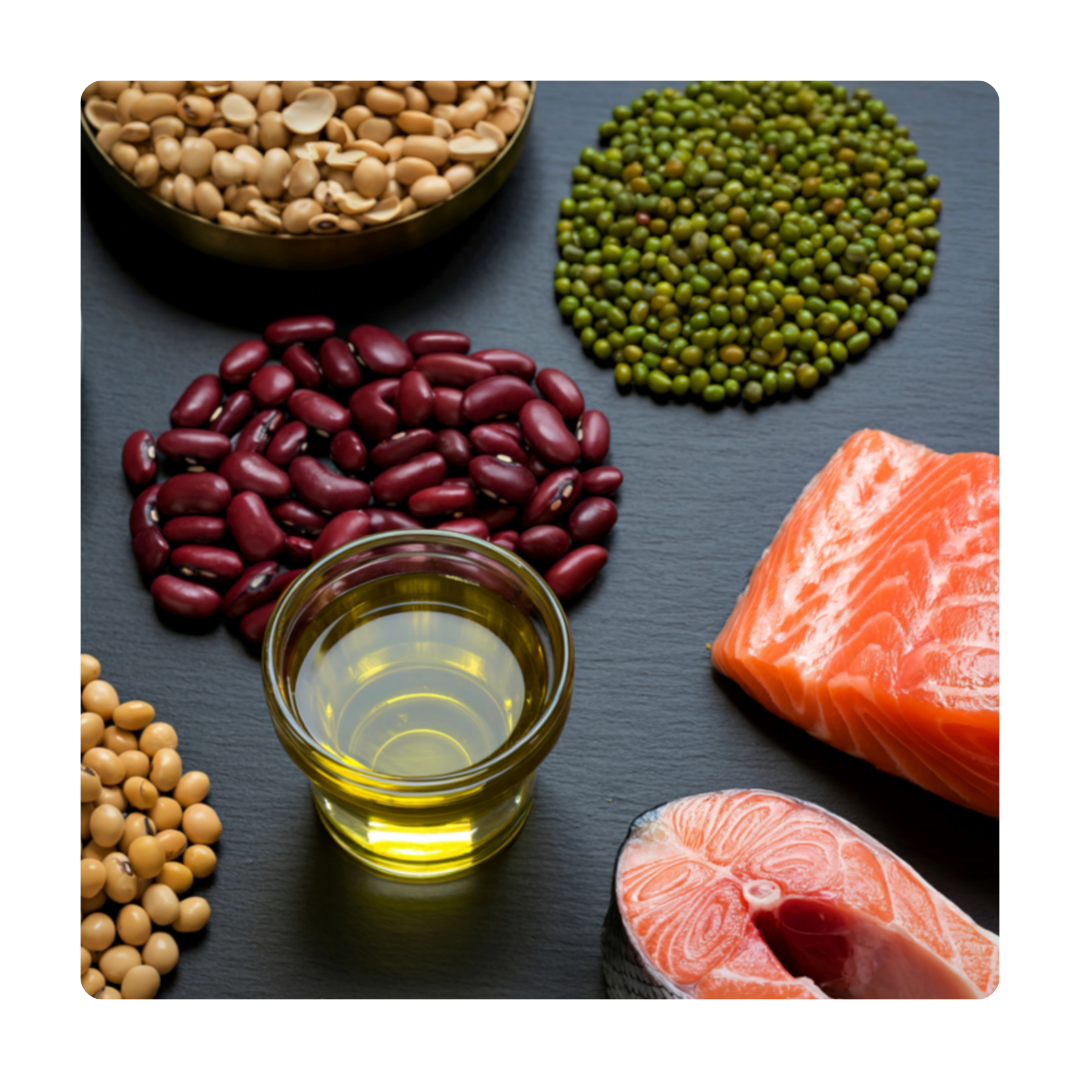 Aim for balance and personalization. Below are priority nutrients and why they matter:
-
Protein at breakfast.
Protein helps keep you full, prevents cravings, and supports appetite control. People with earlier-stage PKD usually do not need a lower-protein diet. Adjustments may be needed if kidney function is reduced, so follow your nephrologist’s or dietitian’s guidance. -
Fibre and whole grains for satiety and metabolic health.
Oats, whole-grain toast, fruit, and seeds slow digestion, reduce blood sugar spikes, and help keep you fuller longer. -
Healthy fats to delay hunger.
Nut butters, avocado, chia seeds, and flaxseed provide fats that slow gastric emptying and are energy-dense. -
Vegetables and fruit – personalize potassium if needed.
Vegetables and fruit boost fibre and micronutrients. If your lab results show high potassium, choose lower-potassium options or adjust portions and cooking methods. Work with your dietitian for personalized advice. -
Limit extra sodium and phosphate additives.
Processed breakfast meats, many packaged cereals, and some dairy alternatives can raise sodium or phosphorus levels. Choose minimally processed options when possible. -
Hydration and fluid balance.
Depending on your stage of kidney disease and fluid targets, manage fluid intake at breakfast accordingly. Ask your care team for individualized guidance.
Intermittent Fasting and PKD
 You may be wondering about intermittent fasting or time-restricted eating with PKD. Intermittent fasting is an eating pattern that alternates between periods of eating and not eating on a regular schedule.
In several PKD animal studies, fasting or ketosis led to reduced cyst growth or cyst regression, suggesting that metabolic interventions could affect cyst biology. These findings are important mechanistic signals, but they are preclinical.
Early human research is limited but growing. Researchers are actively studying time-restricted eating and other types of intermittent fasting in PKD. Some early pilot studies and trial planning highlight potential benefits for weight and metabolic health. However, clinical evidence showing that intermittent fasting slows PKD progression in people is not yet definitive. More research is needed to confirm benefits for PKD.
It is important to ensure that the eating window includes enough protein, fibre, and healthy fats so you meet daily nutrition needs without relying on excessive processed foods. Talk to your healthcare team before starting an intermittent fasting approach. Intermittent fasting can cause low blood sugar or interact with diabetes medications, and people with advanced CKD may need individualized plans. It is especially important to speak with your kidney care team before starting intermittent fasting if you have diabetes.
Breakfast Ideas for PKD
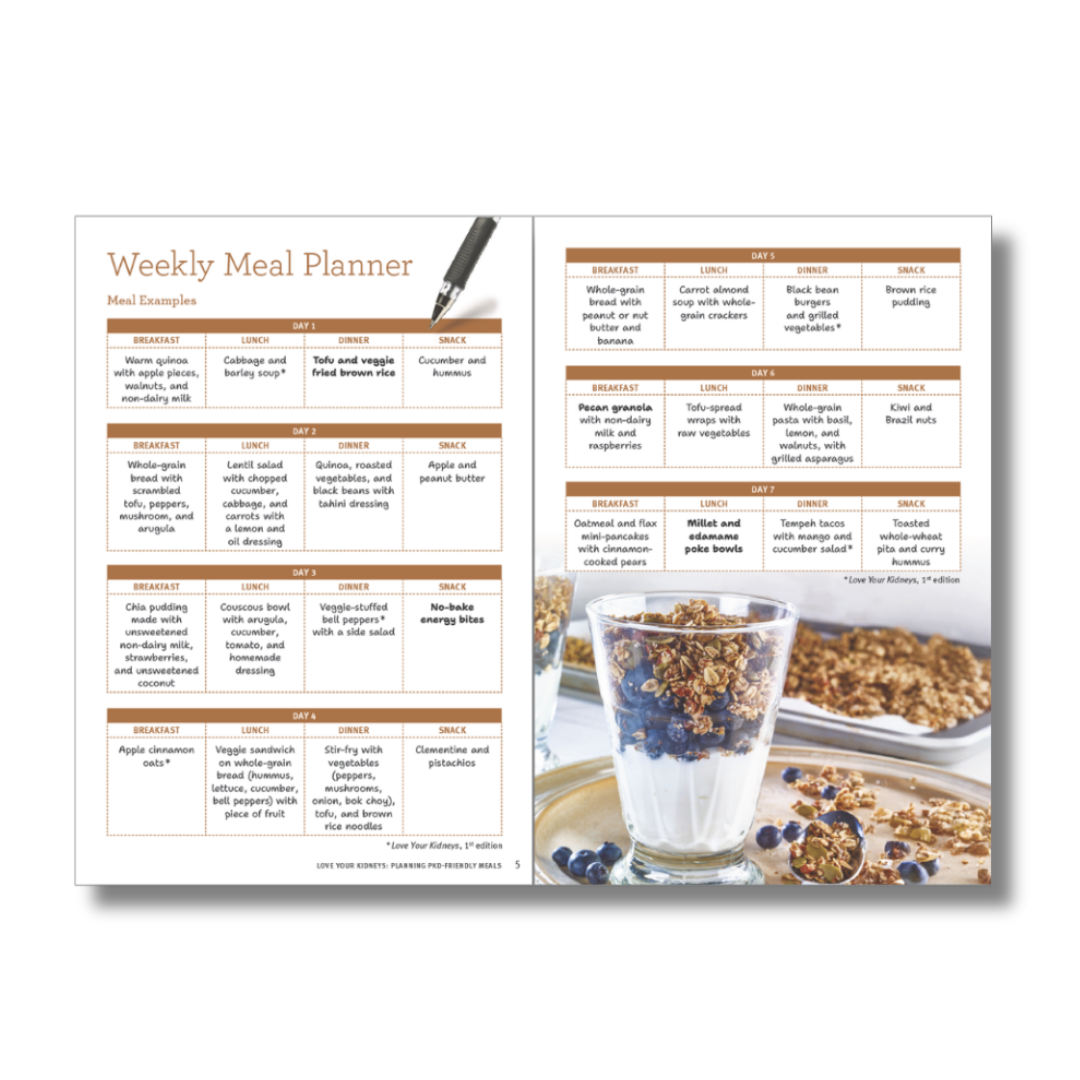
Below is a practical list of balanced breakfasts you can mix and match. These examples come from recipes here on the endPKD.ca website and offer easy, kidney-friendly options. Adjust portions to match your lab results and appetite. To search for other kidney-friendly breakfast ideas, see the seven-day meal planner in Love Your Kidneys: Planning PKD-Friendly Meals, or this recipe index on MyPKD.ca.
Monday
Whole Wheat Banana Muffin
Add ¼ cup unsalted nuts and a piece of fruit for an easy grab-and-go breakfast.
Tip: Make the muffins ahead of time, freeze them in an airtight container, and take out the number you need each week.
Tuesday
Apple Cinnamon Overnight Oats
Wednesday
Strawberry Pineapple Smoothie
Pair this breakfast with ¼ cup unsalted nuts, or add 2 TBSP nut butter to your smoothie for extra portable protein.
Tip: Use fresh or frozen fruit.
Thursday
Yogurt Parfait
Greek yogurt (or a non-dairy alternative) layered with granola or oats, fruit, and a handful of seeds.
Friday
Chia Seed Pudding
Saturday
Breakfast Wrap
Scrambled eggs or tofu and black beans sautéed with bell peppers and onion. Add hummus, tahini, or salsa as a topping.
Sunday
Toast With Toppings (see recipe below)
Whole-grain toast with cottage cheese and avocado slices. Top with tomato, arugula, olive oil, and balsamic glaze.
What Will You Choose Next?
Planning breakfast with PKD does not need to be complicated. Start by building meals from three parts: protein, fibre or complex carbohydrates, and healthy fat, as shown in the examples above.
If You Love a Little Extra Sleep in the Morning
 Try batch-prepping staples like overnight oats, muffins, tofu, or roasted vegetables for easy grab-and-go items. This saves time in the morning and helps reduce the temptation to choose processed foods on the way out the door.
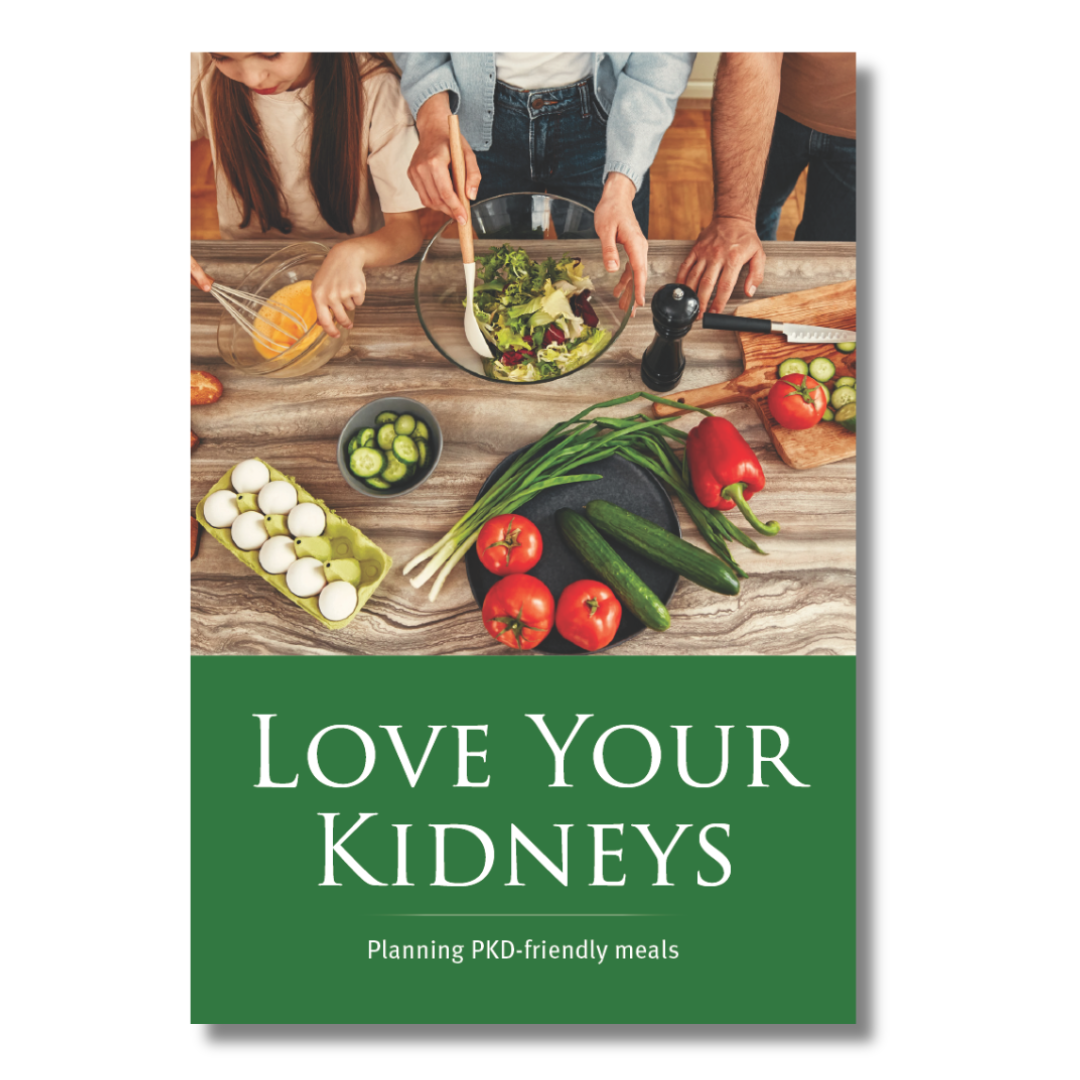
This month, Love Your Kidneys: Planning PKD-Friendly Meals is a new resource filled with recipes, suggestions, and meal-planning tips to help make eating well with PKD easier. You can download your free copy here on endPKD.ca.
If you are thinking about making changes to your breakfast routine, focus on nutrient density. Your dietitian or kidney care team can help provide personalized recommendations.
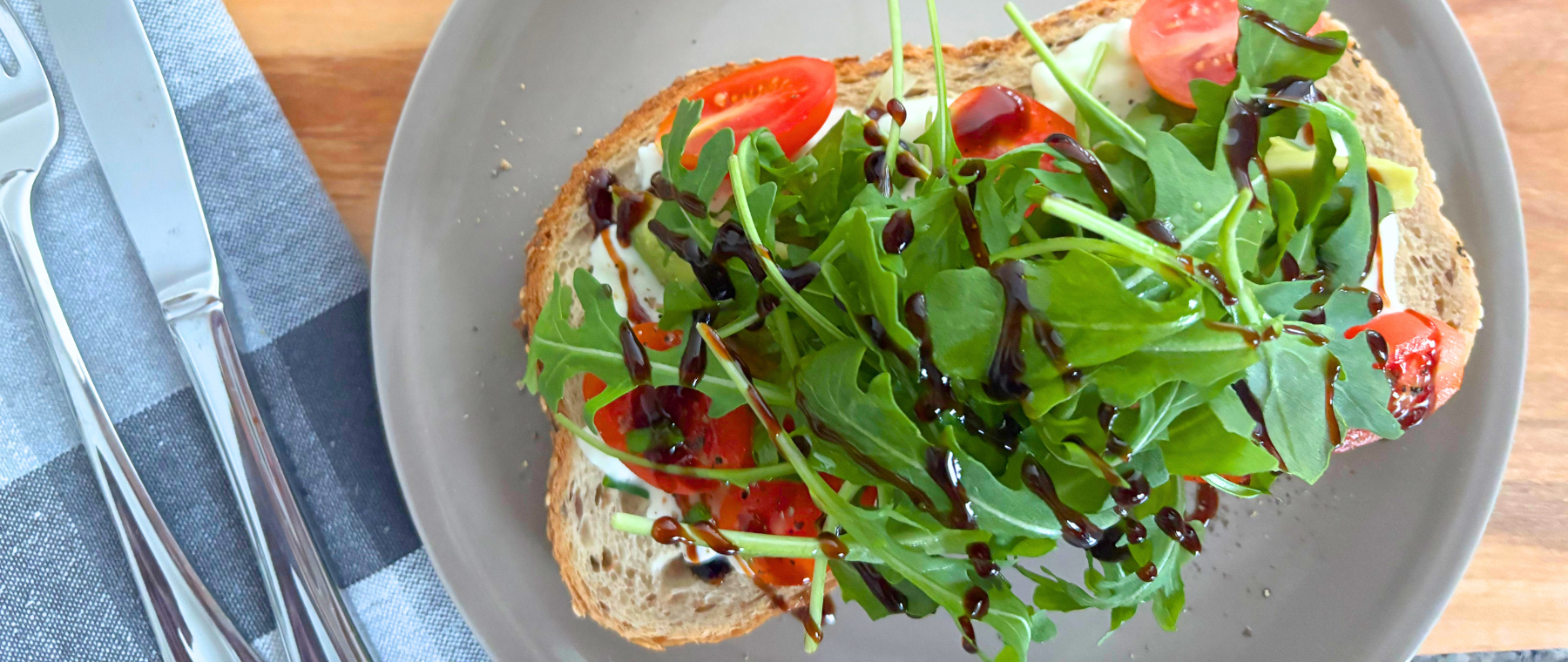
Toast With Toppings: Avocado Cottage Cheese Toast
Serves 2
Ingredients
- 2 slices whole-grain bread
- ½ avocado, sliced
- ½ cup 2% M.F. cottage cheese
- 1 TBSP green onion, chopped
- 8 cherry tomatoes, halved
- ½ cup arugula
- 1 TBSP olive oil
- 1 TBSP balsamic glaze
Instructions
- Toast the whole-grain bread.
- Spoon ¼ cup cottage cheese onto each slice.
- Top each slice with half of the avocado slices.
- Sprinkle green onion, cherry tomatoes, and arugula over each slice.
- Drizzle with olive oil and balsamic glaze.
Nutrition per serving (1 slice): 312 calories, 15.5 g fat, 2.6 g saturated fat, 322 mg sodium, 35 g carbohydrate, 6.2 g fibre, 13.3 g sugar, 12.3 g protein, 541 mg potassium, 198 mg phosphorus
About the Author
Emily Campbell, RD, CDE, MScFN, is a Registered Dietitian and Certified Diabetes Educator with a master’s degree in foods and nutrition. Emily specializes in helping people with kidney disease navigate the often confusing world of nutrition to support better health. Emily can be found at kidneynutrition.ca.
More
- Looking for more kidney-friendly breakfast recipes? Easily find them in this recipe index on MyPKD.ca.
- Curious about what to eat when you have PKD – and why? Check out Love Your Kidneys: How Nutrition Can Help in the Management of PKD, a PKD cookbook and nutrition guide written especially for people with PKD.
- Or read our second volume in the Love Your Kidneys series – Love Your Kidneys: Planning PKD-Friendly Meals.
- Watch one of Emily’s webinars or PKD Summit recordings on nutrition and PKD.
- Browse the rest of Emily’s Kidney Nutrition blogs on our website.
- Find an index of all of Emily’s blogs on MyPKD.ca. Not a member yet? Sign up today.
- Find a list of all recipes created for us by Emily and Roxanne Papineau on My PKD.