Hydration and PKD: What You Need to Know | Kidney Nutrition
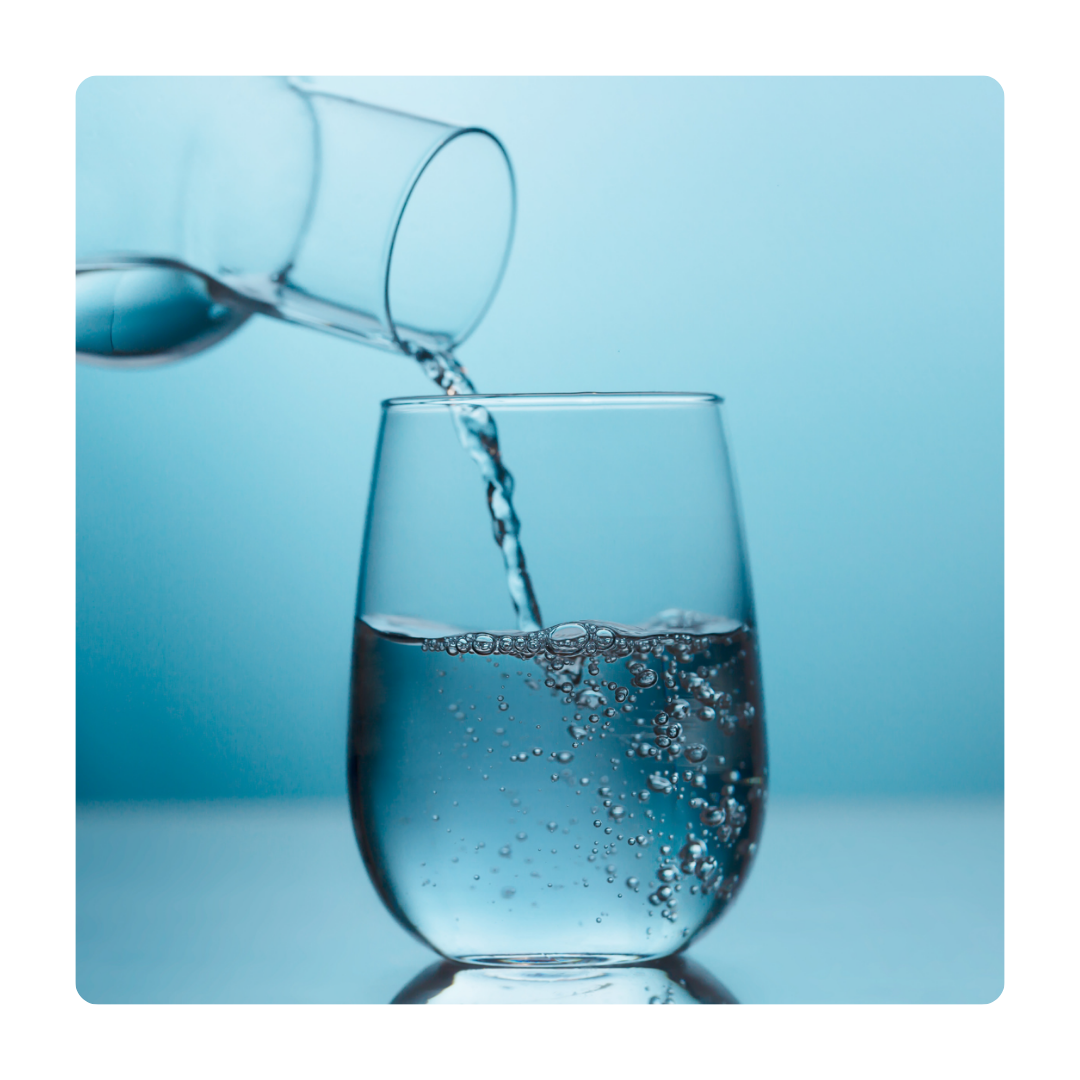 If you have polycystic kidney disease (PKD), drinking enough fluids is more than just a healthy habit - it may help slow down how fast the disease gets worse. You may have been told to drink more and eat less salt when you were first diagnosed. But you might still wonder: Why is drinking fluids so important? What are the best drinks? And can you drink too much? This blog post will help explain it all.
Why Fluids Matter in PKD
PKD causes fluid-filled cysts to grow in your kidneys. Over time, these cysts can damage your kidneys.
A hormone called vasopressin (also known as antidiuretic hormone) plays a role in cyst growth. This hormone helps your body hold onto water. But it also seems to make cysts grow.
 Here’s how drinking more fluids helps:
- Lowers vasopressin levels - When you drink more, your body makes less vasopressin. That may help slow cyst growth. Some PKD medications block vasopressin too. Drinking enough water supports these treatments.
- Helps your kidneys work better - Water helps your kidneys get rid of waste when you pee or poop.
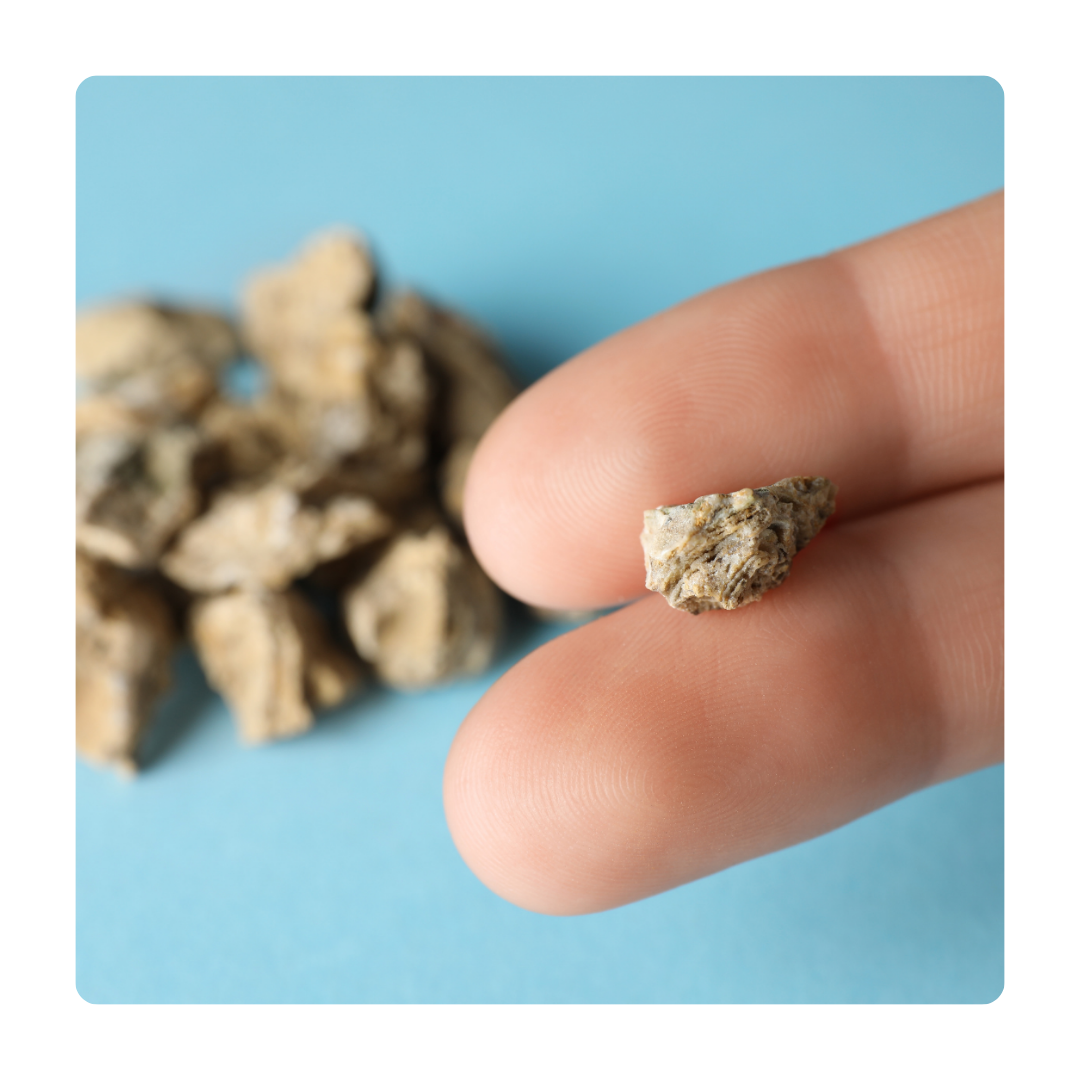
- Helps prevent kidney stones - People with PKD are more likely to get kidney stones. Water helps dilute urine, lowering the risk.
How Much Should You Drink?
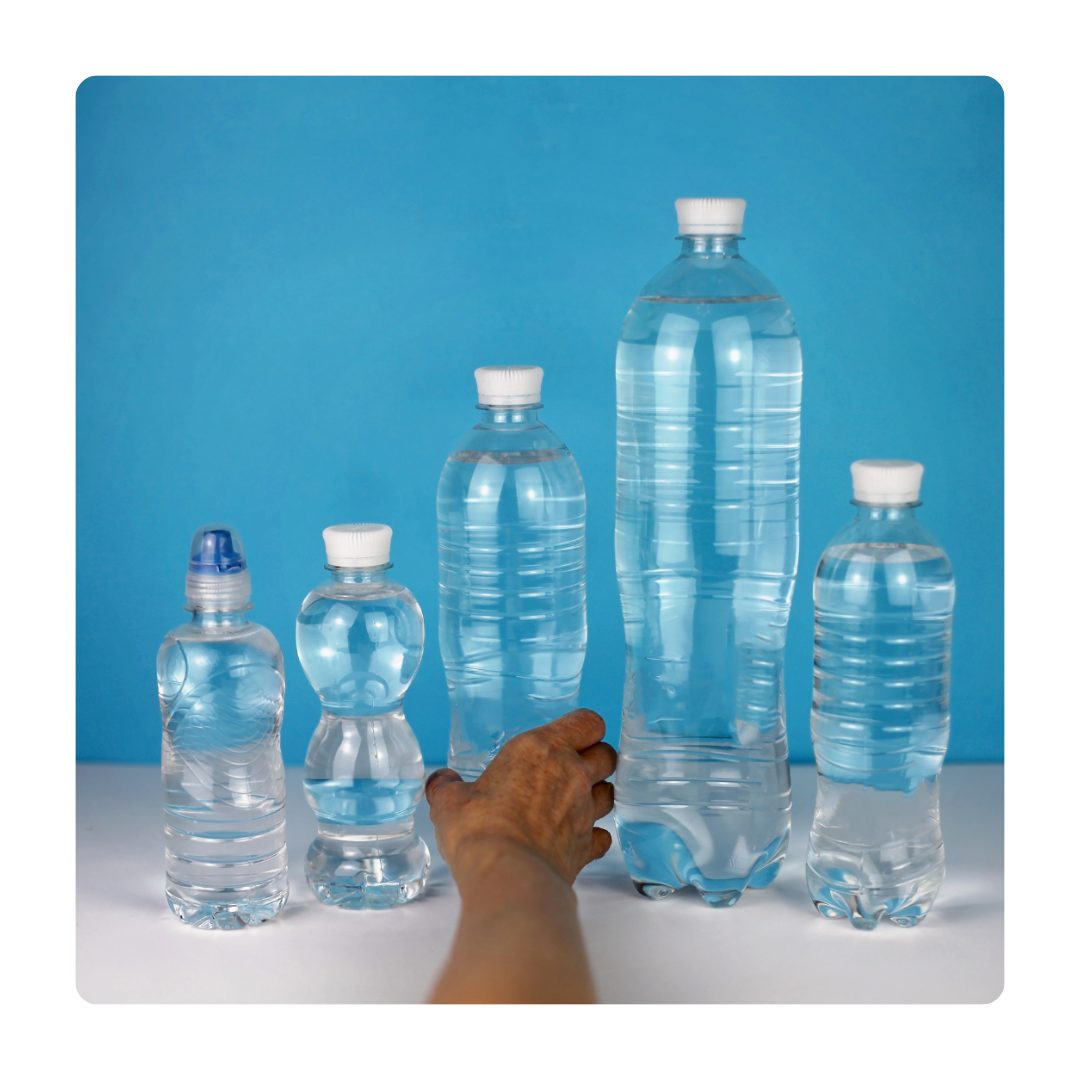 Everyone’s needs are different (depending on things like your age, weight, activity level, the climate you live in, and your current kidney function), but a general target for people with PKD and normal kidney function is about 3 litres of fluid per day (around 12 cups).
This amount of fluid is usually enough to help lower your vasopressin levels. Your kidney doctor may ask you to collect your urine for 24 hours to check how much you're peeing (aiming for 2 to 2.5 litres a day). Light yellow or clear urine usually means you're well-hydrated.
Tips to help reach your fluid goals:

- Start your day with a big glass of water.
- Carry a reusable water bottle everywhere.
- Set reminders (try using your phone, or a hydration app) to sip every 30-60 minutes.
- Add lemon, cucumber, or mint to your water to flavour it naturally, without added sugar or calories.
- Don’t wait until you’re thirsty – thirst is a sign you’re already mildly dehydrated. Sip water regularly throughout the day.
- Use a water bottle with time or volume markers to track how much you’ve had throughout the day.
- Bored with water? Switch it up with herbal teas or infused water to make things more interesting.
- Drink a glass of water at every meal.
- Keep a glass of water beside your bed at night. If you get up to pee in the middle of the night, have a drink to replace the fluids you’ve peed out.
- Drink more when you’re active or sweating.
💡 Sports drinks are only needed if you're doing intense physical activity for 45+ minutes in hot weather. They have sugar, sodium, and potassium. Ask your dietitian if you should use them.
Important: If your kidney function is low (your blood and urine tests tell your healthcare team this), talk to your kidney doctor before increasing your fluids. Too much water can cause swelling, breathing problems, or low salt levels in your blood. Overhydration can be very dangerous if your PKD is advanced.
Can You Drink Too Much?
 Yes - especially if your kidneys aren’t working well.
Risks of drinking too much water:
- Hyponatremia: This is when your blood sodium drops too low. It can cause headaches, confusion, nausea, seizures, or coma.
- Too much fluid in your body causing more work for your kidneys: This can lead to swelling and high blood pressure.
Signs you might be drinking too much:
- You’re peeing often during the night
- Your urine is always clear (not just sometimes)
- You feel bloated or nauseous from fluids
What Fluids Are Best?
Best choices:
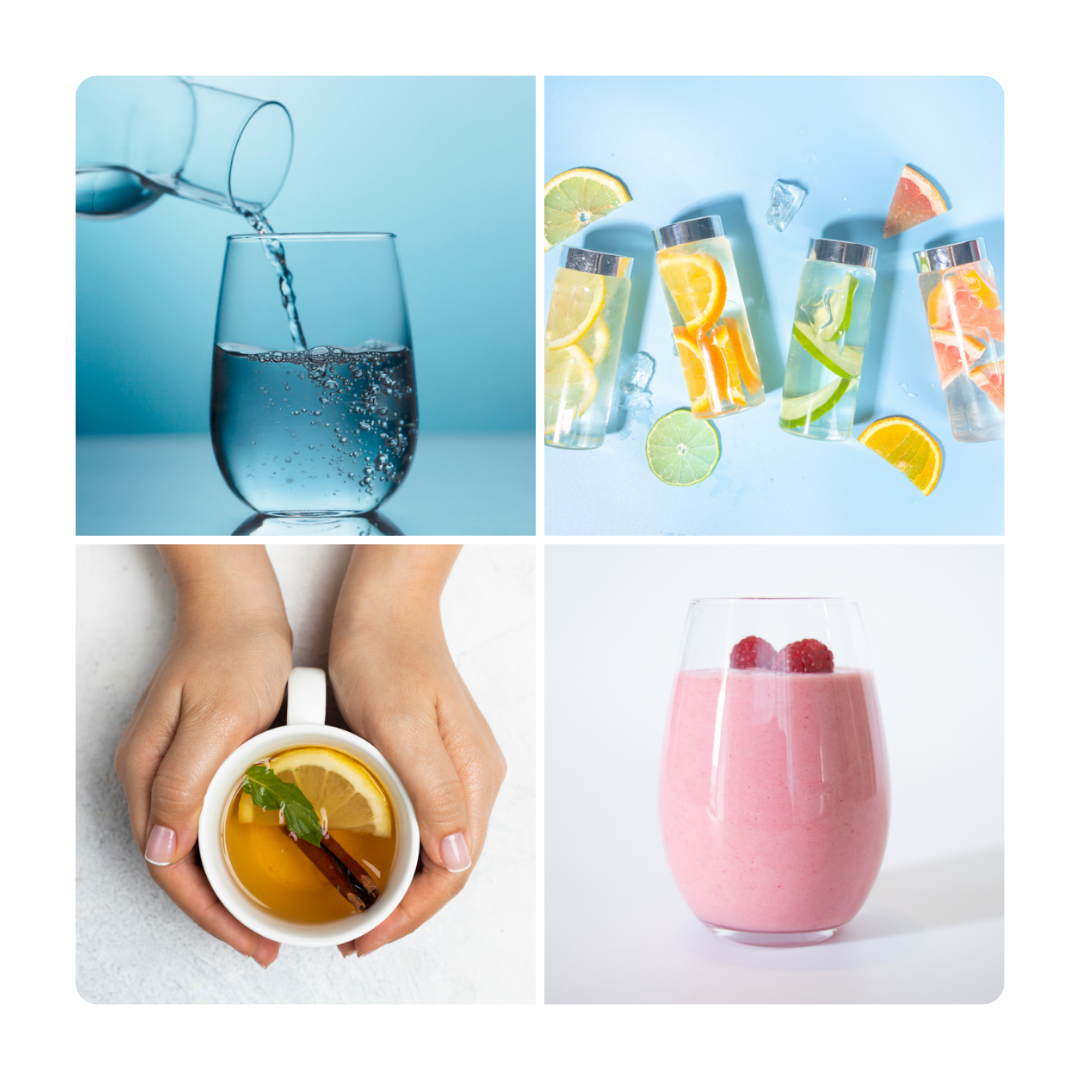
- Plain water - The #1 choice
- Flavoured water (no added sugar) – This is a good option if you find plain water boring
- Herbal teas (non-caffeinated)
- Smoothies - Add both fluids and fibre (like this delicious strawberry pineapple smoothie, below!
Strawberry Pineapple Smoothie
Serves 1
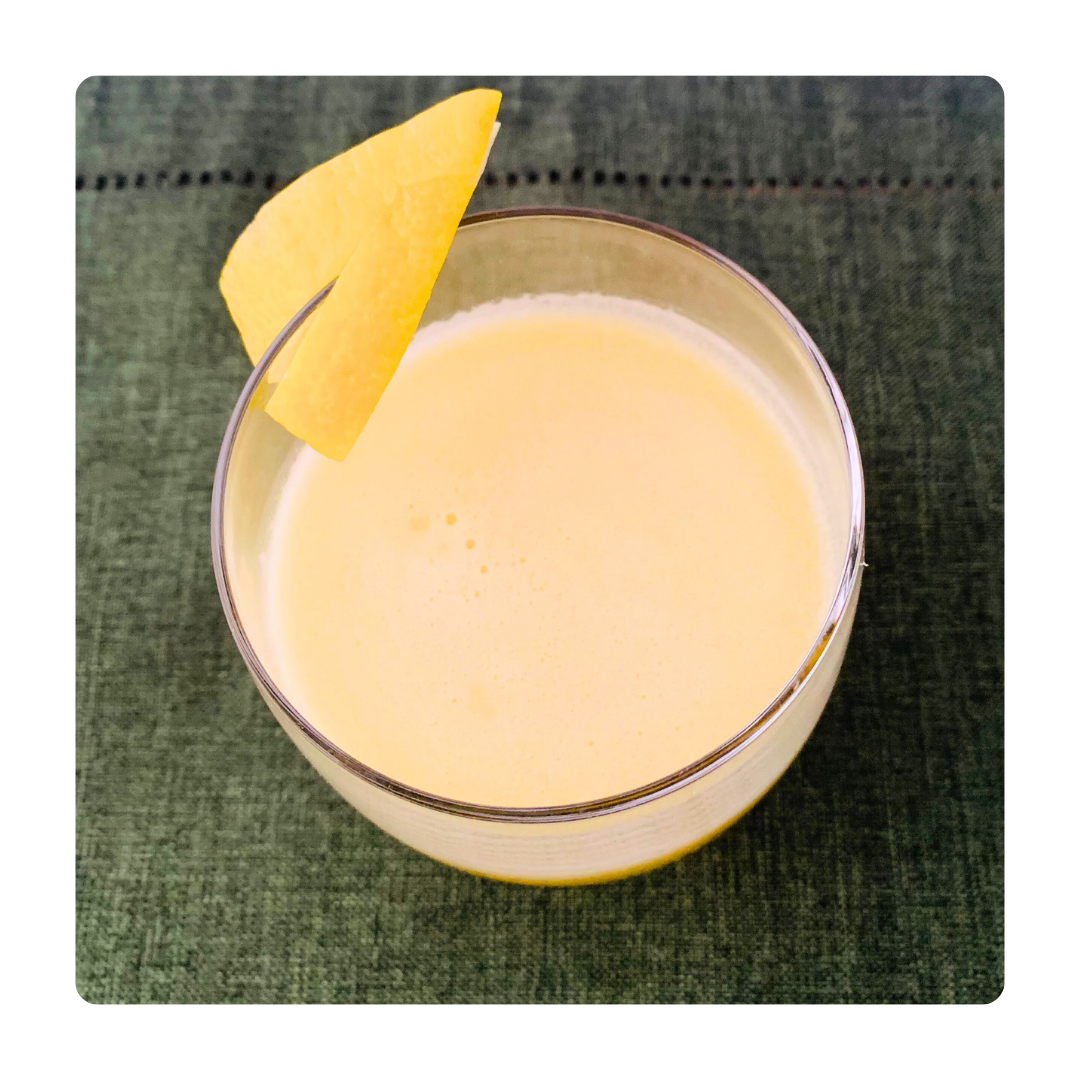
Ingredients:
- 2 medium strawberries
- ½ cup pineapple chunks
- ½ cup kale
- 1 cup low-fat milk
- 1 tbsp hemp seeds
Instructions:
- Blend all ingredients until smooth.
- Drink right away or refrigerate overnight.
Nutrition per serving: 233 calories, 9.8 g fat, 26.8 g carbs, 2.1 g fibre, 12.2 g protein, 101 mg sodium, 696 mg potassium, 432 mg phosphorus, 4.2 mg oxalate
Limit or avoid these fluids:
- Caffeinated drinks - Can act like a diuretic (make you pee), so they don’t count fully to your daily fluid intake. Limit to 400 mg caffeine/day (about 4 cups of coffee).
- Sugary drinks (soda, juice, energy drinks) - Can raise blood sugar, weight, or cholesterol.
- Alcohol - Dehydrates you and may raise blood pressure.
Final Thoughts
Staying hydrated is an important part of managing PKD. Drinking enough water can:
- Lower vasopressin levels
- Support kidney health
- Help prevent kidney stones
Talk to your doctor or dietitian about how much fluid is right for you. Once you know your goal, track how much you're drinking and slowly increase your intake if needed.
You’ve got this - one sip at a time.
About the Author
Emily Campbell, RD CDE MScFN is a Registered Dietitian and Certified Diabetes Educator with a Master’s Degree in Foods and Nutrition. Emily specializes in helping those with kidney disease overcome the confusing world of nutrition to promote health. Emily can be found at kidneynutrition.ca.
More
- Find more healthy and delicious beverage recipes from Emily in this blog.
- Looking for more information about what to eat with PKD? Check out Love Your Kidneys,a PKD cookbook and nutrition guide written especially for people with PKD.
- Watch one of Emily's webinar or PKD Summit recordings on the topic of Nutrition and PKD here,or
- Browse through Emily's Kidney Nutrition blogs on our website.