Nourishing Your Body and Mind with PKD: A Balanced Approach to Food, Nutrition, and Well-Being | Kidney Nutrition
Living with PKD means paying more attention to what we eat. But just as important is how we think and feel about food. Nutrition isn’t just a list of rules. It’s about building a healthy, sustainable relationship with food that supports your kidneys and your quality of life.
PKD Diet Mindset: Food as a Relationship, Not Restriction
For many of us, food is tied to emotion, memory, celebration, and comfort. It’s deeply human. When you’re told to watch nutrients like sodium or protein because of PKD, it’s easy to fall into an “all or nothing” mindset.
 This way of thinking can lead to burnout, guilt, or even an unhealthy focus on “eating perfectly.” This pattern is sometimes called orthorexia nervosa. It’s when eating “healthy” becomes strict and anxiety-driven instead of supportive and nourishing. Over time, this can affect your well-being and even work against your health goals.
Instead of aiming for perfection, focus on balance and sustainability:
- Celebrate what works for you and your body
- Make choices based on science, not fear
- Stay flexible – not every meal has to be “perfect”
- Pay attention to hunger, fullness, and enjoyment, not just nutrients
- Reach out for support if food thoughts feel stressful or overwhelming
A positive relationship with food helps build habits that last. Strict rules are harder to maintain and can feel overwhelming over time.
PKD Diet and Nutrition: What to Eat to Support Kidney Health
Research shows that certain food choices can support kidney health. But every person is different. There is no one “perfect PKD diet.” It’s important to work with a dietitian, especially one familiar with PKD, to find what works best for you.
Key principles often include:
Mindful Sodium Intake (Low-Sodium Diet for PKD)
Too much sodium can raise blood pressure and may affect cyst growth in PKD. Choosing fresh foods and reading labels can help lower your intake.
Balanced Protein (How Much Protein for PKD?)
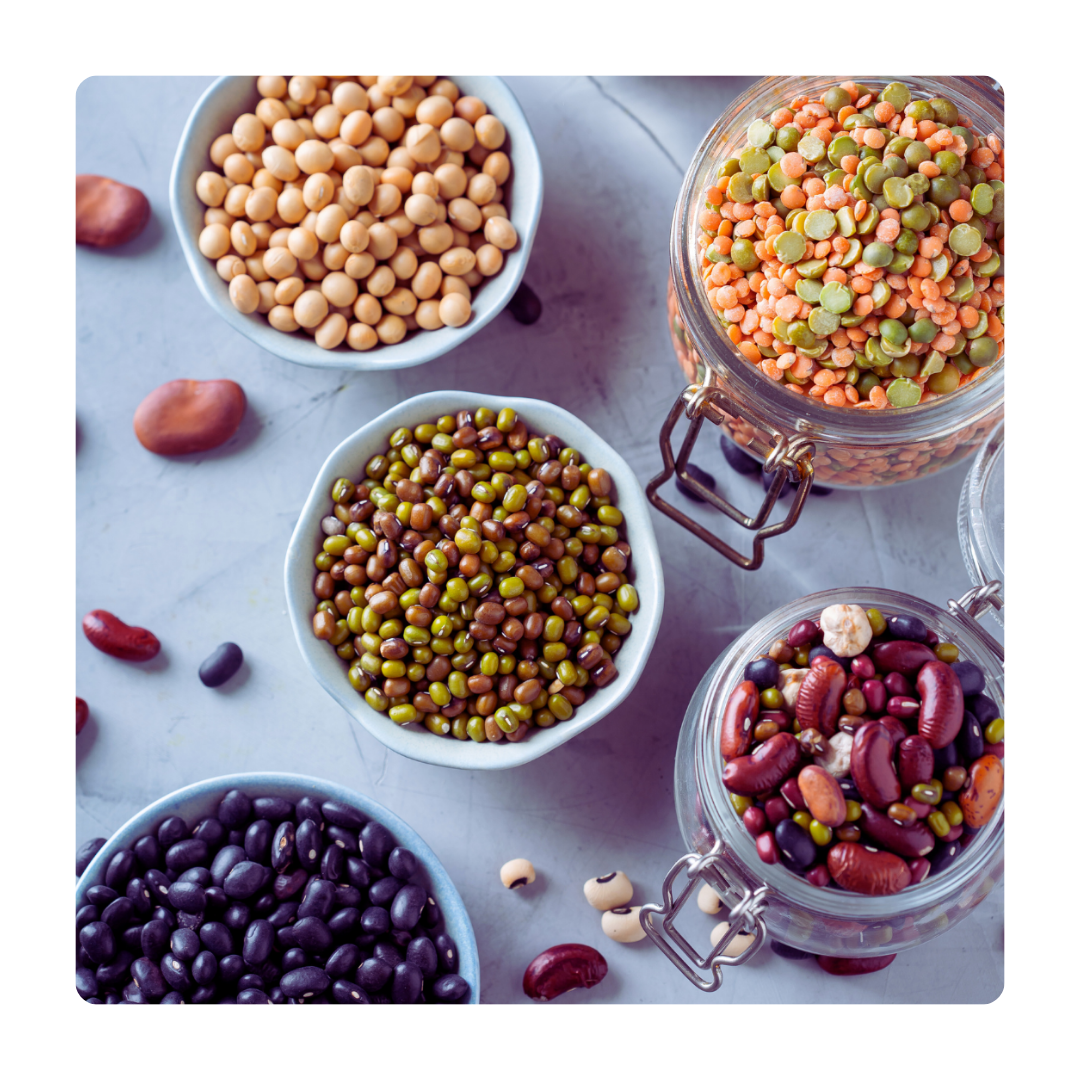
Protein is important, but too much may put extra strain on the kidneys. Finding the right amount, and including more plant-based sources, can be helpful.
Hydration (How Much Water Should You Drink with PKD?)
Drinking enough fluids supports kidney function and helps lower vasopressin, a hormone linked to cyst growth.
Focus on Fibre (High-Fibre Foods for Kidney and Heart Health)
Eating more whole grains, fruits, vegetables, and heart-healthy foods supports heart health, which is important when you have PKD.
How to Evaluate PKD Diet Advice Online (What to Trust and What to Avoid)
There’s a lot of nutrition advice online, and not all of it is reliable or is based on trusted scientific research. Here’s how to sort helpful information from misleading claims:
Check the credentials
Look for information created or reviewed by qualified professionals, such as Registered Dietitians (RD/RDN), doctors, or trusted organizations. Reliable websites often end in .gov, .edu, or .org.

Watch for red flags
These often point to misinformation:
- Claims like “100% guaranteed results”
- Promises of secret superfoods or one-size-fits-all quick fixes
- Advice from influencers without nutrition training and credentials
Look at the full picture
Don’t rely on just one article. Look for consistent advice across trusted sources, and check if it matches current guidelines or peer-reviewed research.
Talk to a professional
If a diet trend sounds appealing but unusual (like extreme restriction, or supplements promising dramatic effects), check with a healthcare provider first. Personalized advice matters.
PKD Diet by Stage: What to Eat at Each Stage of PKD
PKD affects everyone differently. Nutrition needs can change over time. Instead of following one strict “PKD diet,” it’s more helpful to focus on priorities at each stage.
These are general guides, not rules. The goal is to support kidney health while still enjoying food and keeping flexibility.

Early PKD Diet (Protecting Kidney Health Early)
At this stage, the kidneys are still working well, and cysts are often small.
Key priorities:
- Moderate sodium intake to support blood pressure
- Balanced protein intake, not too much, not too little
- A heart-healthy eating pattern with fruits, vegetables, whole grains, healthy fats, and plant-based proteins
- Staying well hydrated
This is not the time for strict or extreme diets. Building steady habits now can help protect kidney health over time without sacrificing your quality of life.
Moderate PKD Diet (Adjusting Nutrition as Kidney Function Changes)
As kidney function starts to change, nutrition becomes more focused, but still flexible.
Key priorities:
- Paying closer attention to sodium to manage blood pressure and fluid balance
- Focusing on protein quality over quantity, often with more plant-based options
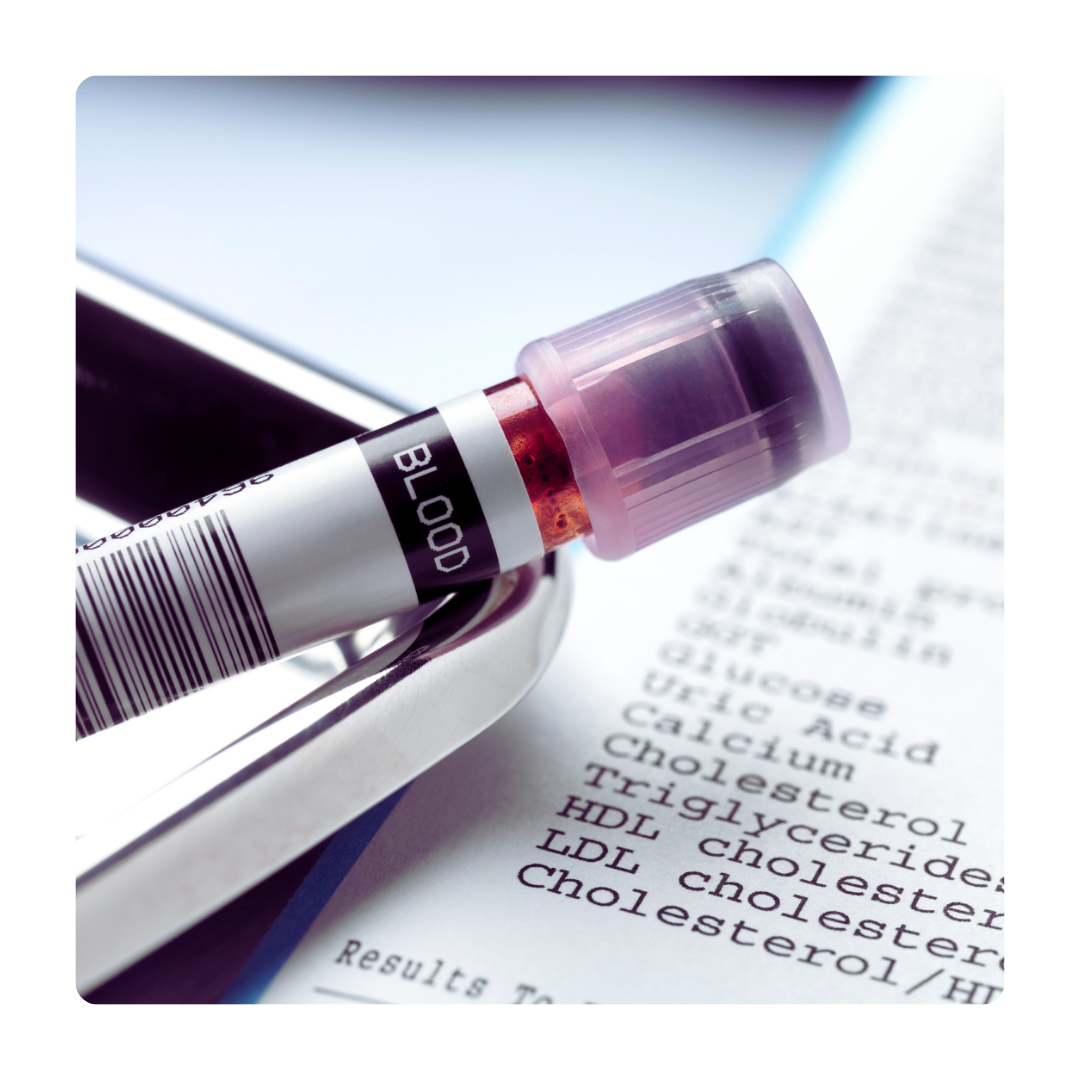
- Monitoring potassium and phosphorus based on lab results, not automatically restricting them
- Looking at overall eating patterns, not just single nutrients
This is also a stage where online misinformation can be harmful. Cutting out large food groups without guidance can increase stress and risk of disordered eating. Lab results and individualized professional advice are key.

Advanced PKD Diet (More Targeted Nutrition Support)
In later stages, nutrition becomes more medical, but food can still be enjoyable.
Key priorities:
- Adjusting protein intake based on kidney function
- Managing potassium and phosphorus based on labs and symptoms
- Careful sodium and fluid balance
- Making sure you’re getting enough energy to prevent malnutrition and other health issues
Working with a dietitian becomes especially important at this stage. Too much restriction can lead to weight loss, nutrient gaps, and increased anxiety around food.
PKD and Dialysis
When dialysis begins, nutrition needs change again, often in the opposite direction.
Key priorities:
- Higher protein needs to replace losses from dialysis
- Adjusting potassium, phosphorus, sodium, and fluid intake based on your treatment
- Supporting strength, energy, and quality of life
This stage shows why an all-or-nothing approach doesn’t work. Nutrition needs to change with your body.
A Healthy PKD Diet: Food as Support, Not Stress
Your nutrition journey with PKD isn’t about following rigid rules or being perfect. It’s about:
- Finding balance
- Making informed choices
- Building a kind, sustainable relationship with food
Stay curious and informed, but also be gentle with yourself. Food should support your health and bring enjoyment, not stress.
About the Author
Emily Campbell, RD, CDE, MScFN, is a Registered Dietitian and Certified Diabetes Educator with a master’s degree in foods and nutrition. Emily specializes in helping people with kidney disease navigate the often confusing world of nutrition to support better health. Emily can be found at kidneynutrition.ca.
_____
PKD Diet FAQs: Common Questions About What to Eat with PKD
Is there a specific PKD diet I should follow?
There is no single “PKD diet” that works for everyone. Nutrition needs vary based on your stage of PKD, lab results, and overall health. Most recommendations focus on balanced eating, managing sodium, choosing the right amount of protein, and staying well hydrated.
What foods should I avoid with PKD?
There are no universal “forbidden foods,” but some people may need to limit sodium, processed foods, and certain nutrients like potassium or phosphorus, depending on their lab results. Instead of cutting out large food groups, focus on overall eating patterns and talk to a dietitian for personalized guidance.
How much protein should I eat with PKD?
Protein needs vary. In earlier stages, a moderate amount is usually recommended, not too high and not too low. In later stages, protein intake may be adjusted. If you are on dialysis, your protein needs may increase. A dietitian can help you find the right balance.
Should I drink more water with PKD?
Staying well hydrated is often recommended in PKD, as it may help lower vasopressin, a hormone linked to cyst growth. However, fluid needs can vary, especially in advanced stages or on dialysis. Always check with your healthcare team for guidance that fits your situation.
Do I need to avoid potassium or phosphorus with PKD?
Not always. These nutrients are only restricted if blood levels are too high. Many people with early or moderate PKD do not need to limit them. Avoid self-restricting without lab results and professional advice, as these nutrients are found in many healthy foods.
Are plant-based diets good for PKD?
Plant-based eating patterns can be helpful for many people with PKD. They often include more fibre and may support heart and kidney health. That said, you don’t need to be fully vegetarian to benefit. Even adding more plant-based meals can make a difference.
Can diet slow the progression of PKD?
Nutrition can support overall kidney and heart health, including managing blood pressure and reducing strain on the kidneys. While diet alone cannot cure PKD, it is one important part of a broader care plan.
More
- Learn more about what your kidney labs can tell you about your potassium and phosphorus levels.
- Curious about what to eat when you have PKD – and why? Check out Love Your Kidneys: How Nutrition Can Help in the Management of PKD, a PKD cookbook and nutrition guide written especially for people with PKD.
- Or read our second volume in the Love Your Kidneys series – Love Your Kidneys: Planning PKD-Friendly Meals.
- Watch one of Emily’s webinars or PKD Summit recordings on nutrition and PKD.
- Browse the rest of Emily’s Kidney Nutrition blogs on our website.
- Find an index of all of Emily’s blogs on MyPKD.ca. Not a member yet? Sign up today.
- Find a list of all recipes created for us by Emily and Roxanne Papineau on My PKD.