When Kidney Function Declines in PKD: Understanding Fluid Restrictions, Urine Output, and Managing Thirst | Kidney Nutrition
Living with polycystic kidney disease (PKD) often comes with questions about hydration – like how much you should be drinking. In the earlier stages, people living with PKD are often encouraged to drink enough fluids to stay well hydrated. But as kidney function declines, fluid needs can change significantly. For some, a fluid restriction may become necessary.
This can feel confusing – especially if you have spent years hearing that drinking more water is beneficial for PKD.
Here’s what you need to know about fluid needs in PKD, why urine output changes over time, and practical ways to manage thirst when fluids need to be limited.
How much fluid should you drink with PKD?
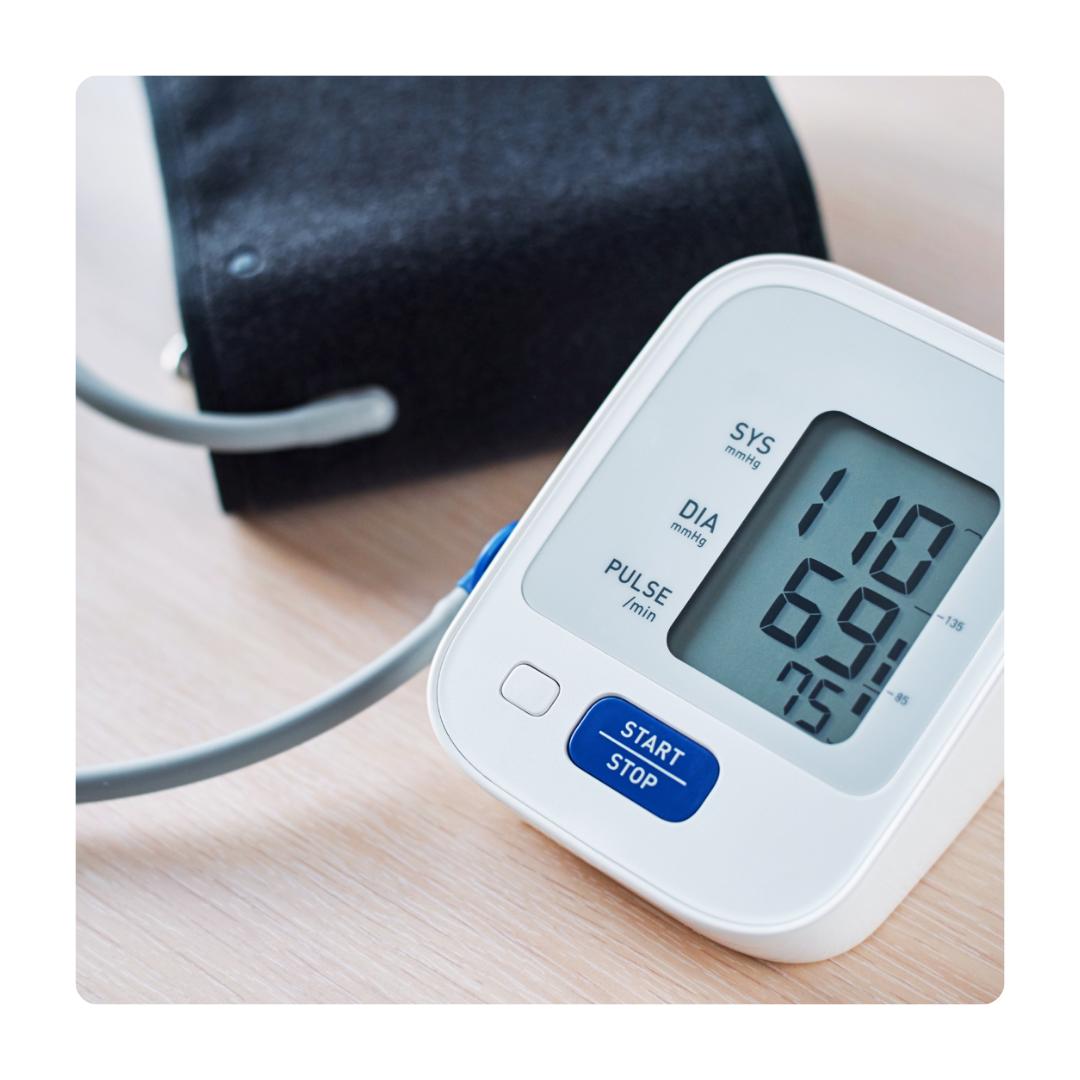 In the earlier stages of PKD, when kidney function is preserved, adequate hydration is often encouraged because increased water intake may help suppress vasopressin, a hormone involved in cyst growth. A fluid intake goal of around 3 litres per day, unless otherwise directed by your kidney care team, may be recommended.
Once kidney function declines significantly – typically when eGFR is less than 20 mL/min/1.73 m² – the kidneys may lose the ability to properly balance fluid in the body. Drinking large amounts of fluid is no longer always helpful and, in some cases, can lead to swelling, shortness of breath, high blood pressure, or fluid overload.
How much you should drink when you have reduced kidney function depends on:
- Urine output
- Swelling or fluid retention
- Blood pressure
- Dialysis status
- Heart health
- Sodium intake
- Medications
This is why fluid recommendations can change throughout the course of PKD.
Why does urine output decrease in PKD?
 Healthy kidneys filter waste products and excess fluid from the blood to make urine. In PKD, cysts gradually enlarge over time and replace healthy kidney tissue. As kidney disease progresses, the kidneys become less efficient at filtering blood and regulating fluid balance.
Cyst growth contributes to declining kidney function because:
- Fewer functioning nephrons (filtering units) remain in the kidneys
- Blood flow through the kidneys decreases
- The kidneys lose their ability to concentrate and remove fluid properly
- Waste products and excess fluid begin to build up
Eventually, some people living with kidney disease notice:
- Less urine production
- Swelling in the legs, ankles, or hands
- Rapid weight gain from fluid retention
- Shortness of breath
- Increased blood pressure
When is a fluid restriction necessary?
 Not everyone with PKD needs a fluid restriction. A fluid restriction is typically recommended when the kidneys can no longer remove enough fluid to maintain balance in the body. This is more common in later stages of kidney disease or when receiving hemodialysis.
You only need to limit fluids if your kidney care team recommends it.
Fluid restrictions are individualized, but some people may be advised to limit fluids to:
- Urine output plus approximately 500–1000 mL per day
- Around 1–1.5 litres daily
This includes all fluids:
- Water
- Coffee and tea
- Milk and milk substitutes
- Soup
- Ice cubes
- Popsicles
- Gelatin or Jell-O
- Smoothies
- Juice
- Ice cream, sherbet, and sorbet
Why Does Fluid Restriction Feel So Difficult?
 Thirst can become especially challenging in kidney disease. Several factors contribute:
- Dry mouth from medications
- Sodium intake
- Dialysis treatments
- Mouth breathing
- Certain medications, such as tolvaptan
- Elevated blood urea levels
- Habitual drinking patterns
6 tips for managing thirst on a fluid restriction
Small strategies can make a big difference when managing thirst with a fluid restriction and PKD:
1. Reduce Sodium Intake
Following a low-sodium diet and limiting:
- Processed foods
- Fast food
- Salty snacks
- Restaurant meals
- Cured meats
- Instant soups
Reading food labels and choosing lower-sodium products can help decrease thirst and fluid retention.
2. Sip Fluids Slowly
Using a smaller cup or spacing fluids throughout the day may help your fluids last longer.
3. Try Ice Chips or Frozen Fruit
Ice chips can help relieve dry mouth while using less fluid overall. Frozen grapes or frozen berries may also help satisfy thirst.

4. Use Sour Flavours
Sucking on lemon wedges, adding lemon to water, or using sugar-free sour candies can stimulate saliva production and reduce dry mouth.
5. Keep Your Mouth Moist
Some helpful options include:
- Sugar-free gum
- Mouth sprays
- Frequent oral care
- Brushing your teeth regularly
6. Track Fluid Intake
Using a water bottle with measurements or a fluid-tracking app can help prevent accidental overconsumption.
Nutrition considerations in later stages of PKD
Fluid recommendations in PKD are not one-size-fits-all. In the earlier stages of PKD, adequate hydration may be encouraged. But as kidney function declines, you may eventually require a fluid restriction to help manage swelling, blood pressure, and fluid overload.
Reduced urine output happens because the kidneys lose their ability to effectively filter and remove excess fluid. While thirst can be difficult to manage, the strategies above can help.
Working with your healthcare team can help ensure your fluid and nutrition plan matches your stage of kidney disease, personal needs, and overall health goals.
Nutrition recommendations may also change throughout the progression of PKD as kidney function changes. These changes can affect electrolyte levels (such as potassium, phosphorus, and sodium) as well as fluid needs.
Nutrition recommendations should also be personalized based on medications, appetite, and dialysis type.
Managing fluid intake with PKD and chronic kidney disease (CKD) can feel overwhelming – especially when you are also managing changes related to sodium, potassium, or phosphorus.
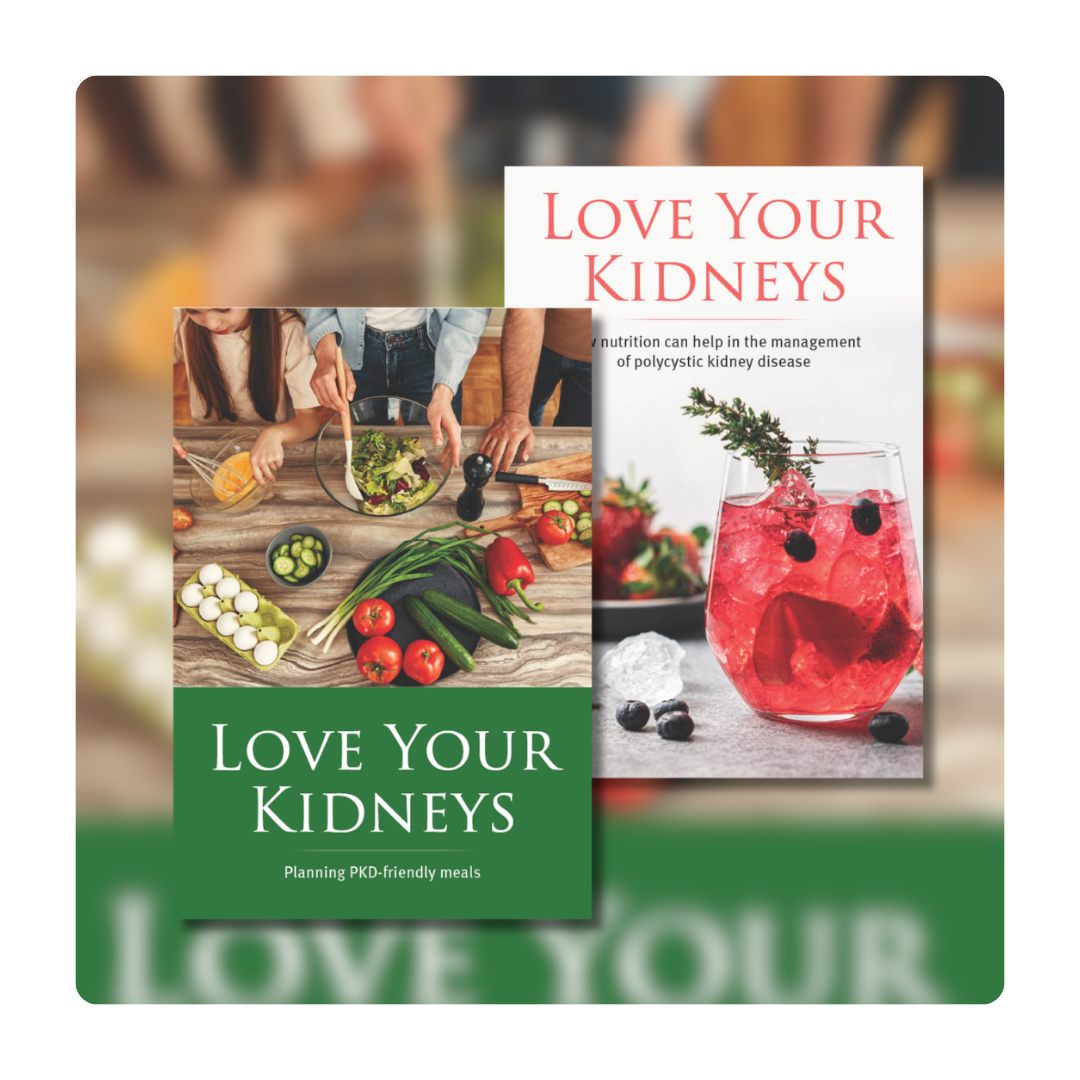
The Love Your Kidneys Cookbooks were created to provide practical, evidence-based, kidney-friendly recipes that are approachable and realistic for everyday life.
These cookbooks also include resources on managing fluids and ways to meet your hydration needs. Be sure to try some of the delicious beverage recipes.
About the Author
Emily Campbell, RD, CDE, MScFN, is a Registered Dietitian and Certified Diabetes Educator with a master’s degree in foods and nutrition. Emily specializes in helping people with kidney disease navigate the often confusing world of nutrition to support better health. Emily can be found at kidneynutrition.ca.
More
- Find general information about hydration when you have PKD.
- Check out these beverage recipes!
- Looking for more information about what to eat with PKD? Check out Love Your Kidneys, a PKD cookbook and nutrition guide written especially for people with PKD.
- Watch one of Emily's webinar or PKD Summit recordings on the topic of Nutrition and PKD here, or
- Browse through the rest of Emily's Kidney Nutrition blogs on our website.
- Find an index to all of Emily's blogs on My PKD. Not a member yet? Sign up here.