A Major Step Forward for PKD Care in Canada
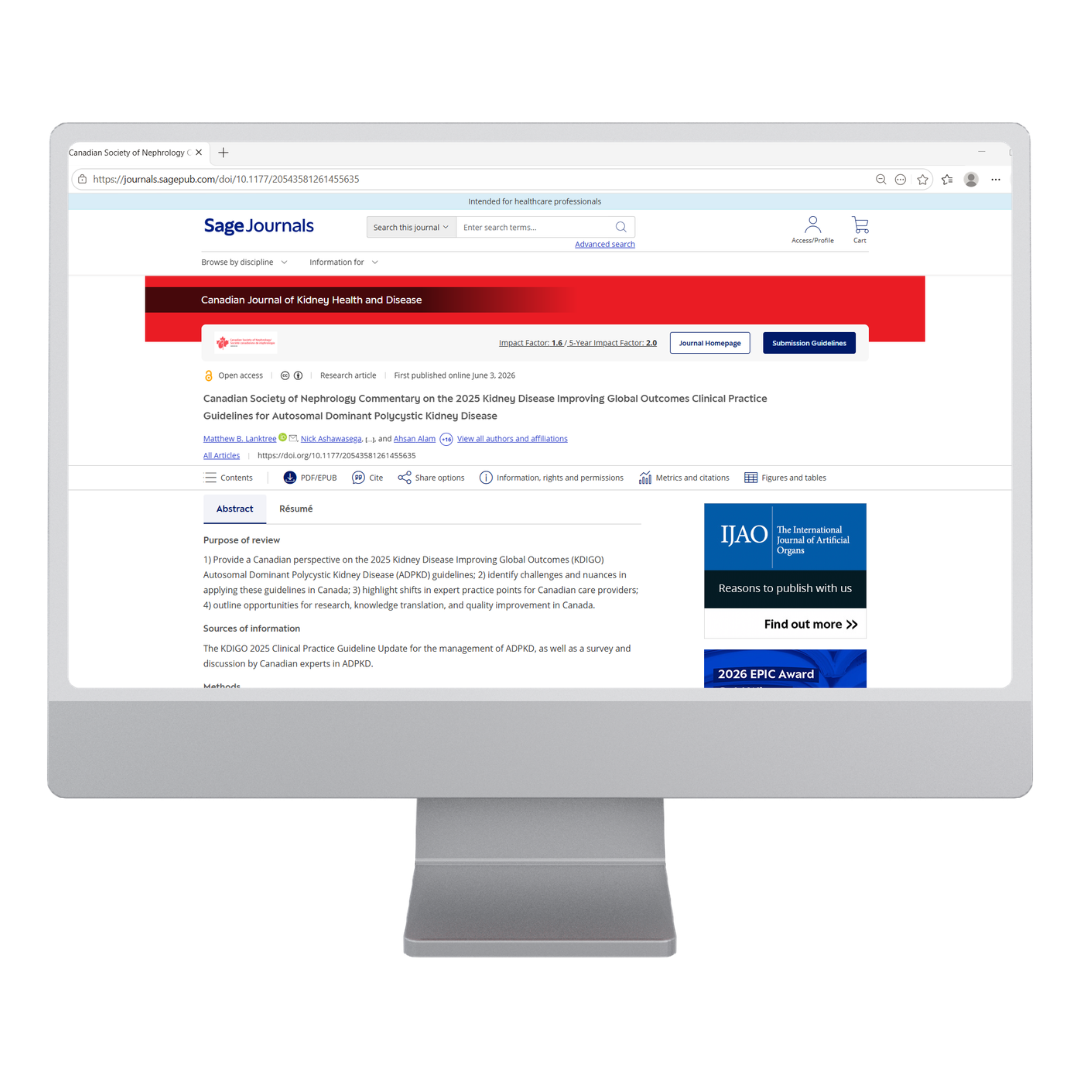
Canadian kidney experts reviewed the new 2025 KDIGO ADPKD guideline and explained how it should be used in Canada.
ADPKD is the most common form of polycystic kidney disease (PKD). This commentary is important because the KDIGO guideline is global, but health care is not the same everywhere. Canada has its own issues, including long wait times, different provincial drug coverage, uneven access to genetic testing, limited access to specialists in some regions, and different needs for rural, remote, and Indigenous communities.
The Canadian Society of Nephrology workgroup agrees with the KDIGO guideline overall, but says Canada needs a stronger, more organized plan for ADPKD care. This includes better access to expert clinics, genetic testing, imaging, pain care, pregnancy care, transplant planning, and patient support.
Why this matters for people with PKD
For many people with PKD, care can feel scattered. A person may see a family doctor, nephrologist, radiologist, genetic counsellor, transplant team, liver specialist, pain clinic, or obstetrics team, but those services may not always be connected.
This commentary says ADPKD care should be more coordinated. People with PKD should not have to figure out the whole system on their own.
The authors also point out that PKD affects more than the kidneys. It can involve high blood pressure, chronic pain, kidney stones, cyst infections, liver cysts, aneurysm risk, pregnancy planning, mental health, family planning, dialysis, and transplant decisions.
Big changes recommended for Canadian PKD care
One major recommendation is to build stronger multidisciplinary ADPKD networks across Canada. This means better links between nephrology, genetics, radiology, hepatology, urology, neurosurgery, transplant teams, pain specialists, dietitians, nurses, pharmacists, social workers, physiotherapists, and patient support groups.
The reason is simple: PKD is complex. Many people need more than one kind of expert, especially if they have pain, large kidneys, liver cysts, pregnancy questions, transplant planning, or unusual symptoms.
 Another important change is better access to genetic testing and genetic counselling. The commentary says Canada needs clearer pathways so patients and clinicians know when genetic testing is useful, how to get it, and who can explain the results. Genetic testing can be especially helpful when the diagnosis is unclear, there is no known family history, a living related donor is being considered, or a child or young person may be affected.
The commentary also notes that Canada’s Genetic Non-Discrimination Act can help protect people from discrimination based on genetic test results. But it does not protect people from all insurance concerns, especially if they already have kidney cysts or a known family history.
The authors also recommend better use of imaging and risk stratification. Kidney size, especially through Mayo Imaging Classification, can help estimate how quickly ADPKD may progress. This can help guide treatment decisions, including whether to consider tolvaptan. The commentary notes that MRI access is not equal across Canada, and CT without contrast may also be useful in some cases.
For blood pressure, the commentary supports careful, standardized blood pressure measurement, including home or ambulatory blood pressure monitoring when possible. Blood pressure control is especially important in ADPKD because high blood pressure can appear early and may affect kidney and heart health. The authors say Canada should reduce financial barriers to home blood pressure monitors and 24-hour blood pressure testing.
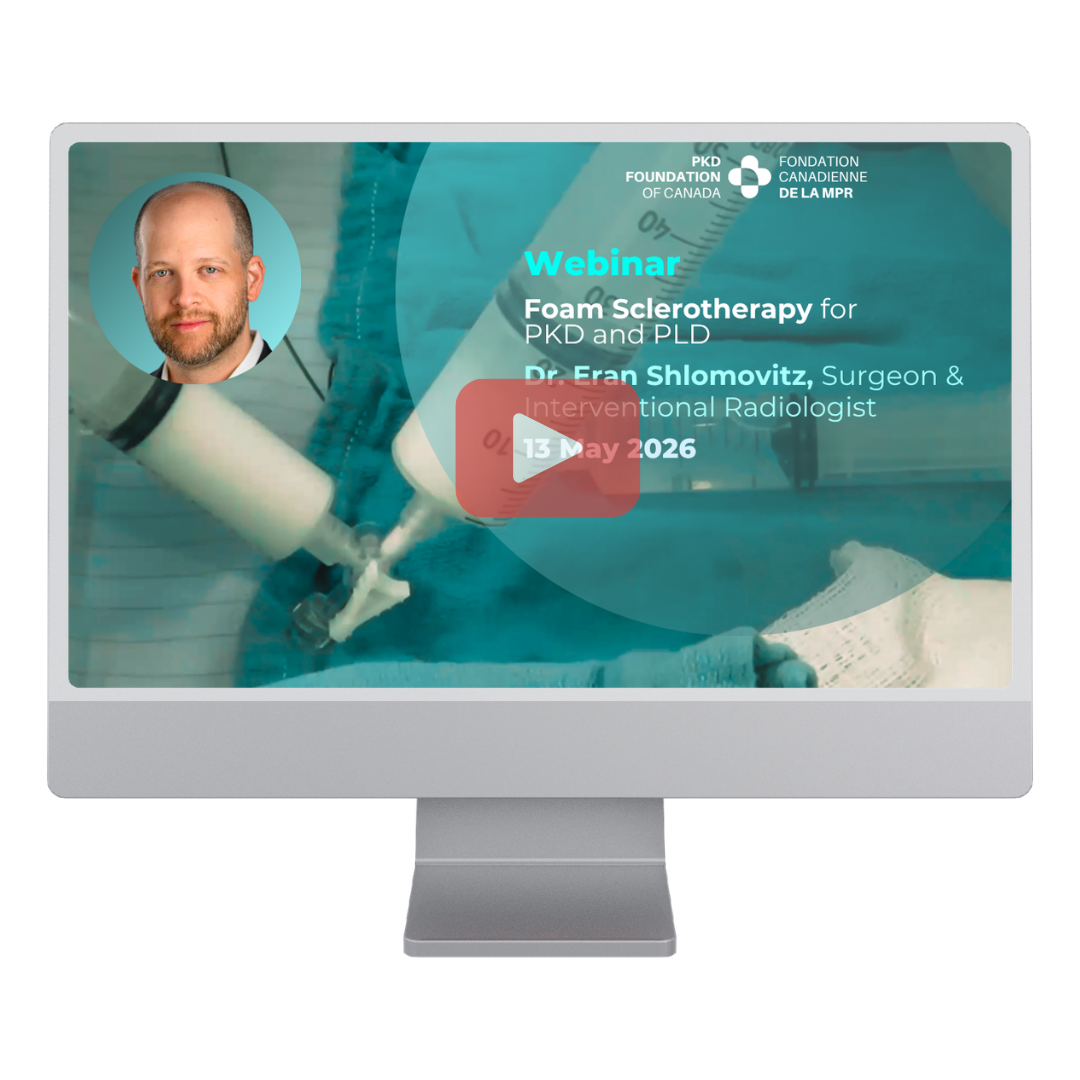 For chronic pain, the commentary says Canada needs better access to specialized pain care and procedures. Some people with PKD live with serious pain from enlarged kidneys, cysts, stones, infections, or other causes. The authors recommend a step-by-step approach: start with local care, bring in specialists when needed, and refer complex cases to centres with ADPKD experience.
For transplant planning, the commentary stresses that removing native PKD kidneys before transplant should not be automatic. Nephrectomy decisions should be shared between the patient, nephrologist, and surgeon. The commentary says pre-transplant nephrectomy is generally considered when kidneys are very large and create space problems, or when symptoms are severe. This is important because removing one or both kidneys can bring risks, including needing dialysis sooner.
For peritoneal dialysis, the commentary clearly says ADPKD should not automatically rule it out. Peritoneal dialysis can be possible for people with ADPKD, even though large kidneys and hernia risk may need to be considered.
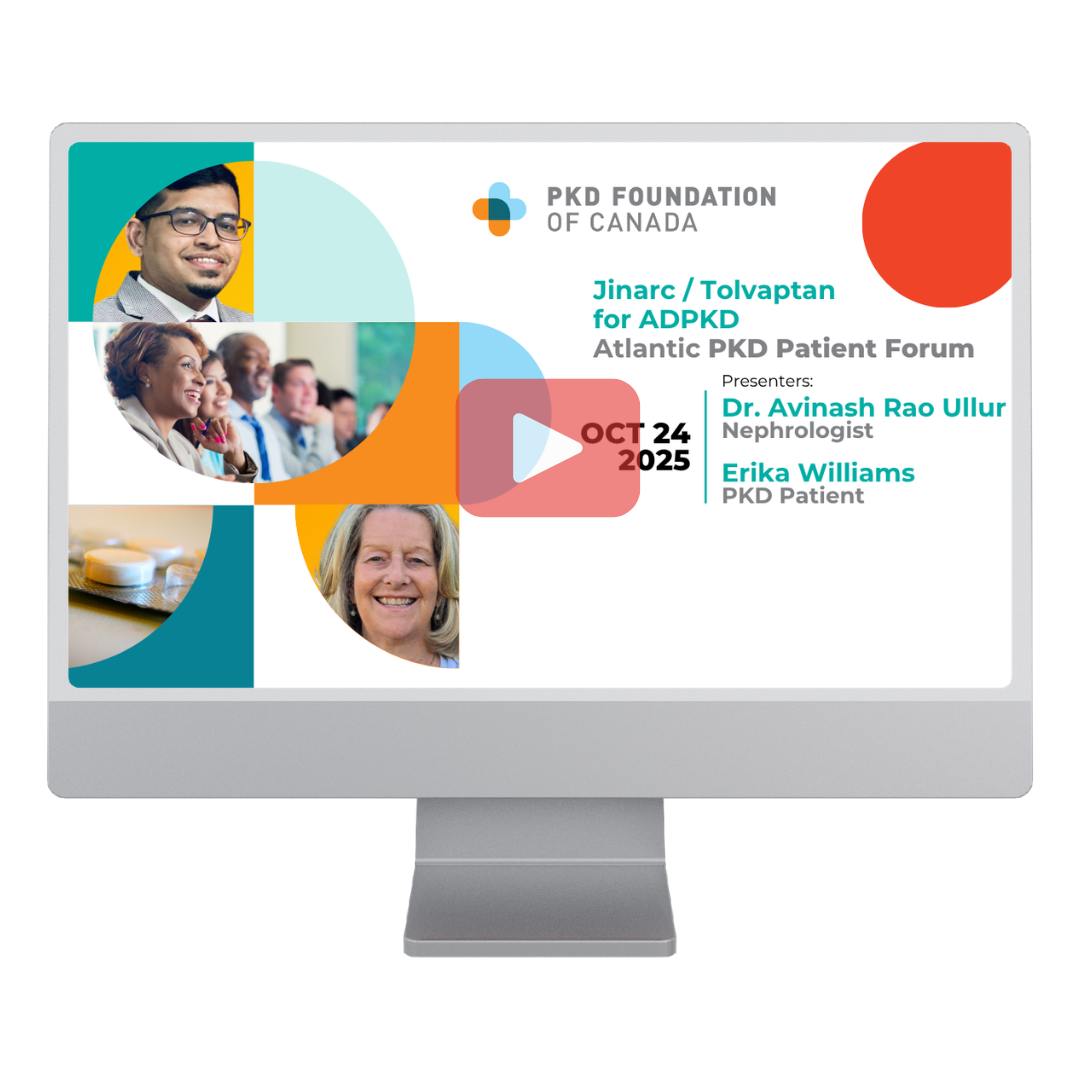 For tolvaptan, the commentary confirms that it is the only approved ADPKD-specific treatment that targets cyst growth. It also says treatment decisions should be individualized. Risk level, kidney size, eGFR decline, family history, age, side effects, thirst, frequent urination, and personal goals should all be part of the conversation. The authors also note that tolvaptan funding varies across Canada, which creates unequal access.
For newer CKD drugs, like SGLT2 inhibitors, the commentary is cautious. These drugs have helped many people with kidney disease, but people with ADPKD were often excluded from major trials. The authors say SGLT2 inhibitors should not be used specifically to slow ADPKD progression at this time, but they may still be considered for other reasons, such as diabetes or heart failure, depending on the patient.
For ketogenic diets and ketone supplements, the commentary says there is not enough human evidence to recommend them for ADPKD. The authors also raise safety concerns, including cholesterol changes, kidney stones, and ketoacidosis in people with lower kidney function.
For polycystic liver disease, the commentary says some medications called somatostatin analogues may help reduce liver volume in certain people with severe symptoms. But access, cost, specialist experience, and liver volume measurement are all barriers in Canada. The authors suggest that regional centres of expertise could help manage severe liver cyst disease more consistently.
For brain aneurysm screening, the commentary says KDIGO’s recommendation is a minimum. People with ADPKD who have a personal or family history of aneurysm, brain bleed, or unexplained sudden death should be offered screening if they would be candidates for treatment. But the Canadian workgroup also says other patients may benefit from discussing screening, even without a known family history. Shared decision-making is key.
 For pregnancy and reproductive care, the commentary says Canada needs better preconception counselling for people with ADPKD. This includes discussions about blood pressure, kidney function, protein in the urine, aneurysm screening, liver cysts, genetic testing, preimplantation genetic testing, and high-risk pregnancy care. Access to these services is uneven and often costly.
For children and youth, the commentary supports blood pressure monitoring after age 5 and better transition programs from pediatric to adult care. It also says care should be flexible, because every child and family situation is different.
A bigger Canadian goal
One of the most important ideas in this commentary is the need for a national ADPKD registry. This would help Canada understand how many people have ADPKD, where care gaps exist, how the disease affects different communities, and how treatments are working over time.
The authors also suggest a Canadian list or map of ADPKD centres of excellence and available services. That could help patients and clinicians know where to find expert care, including virtual consultation when travel is difficult.
Overall, this commentary is a major step for Canadian PKD care. It says people with ADPKD need earlier diagnosis, better risk assessment, fairer access to treatment, stronger expert networks, more patient-centred decisions, and more support across the whole life span.
Note: This summary was created with help from artificial intelligence (AI). We’ve done our best to make sure it’s clear and accurate, but it may still contain some errors. Always check with your healthcare provider or the original research (link above) if you have questions.
Source
Lanktree MB, Ashawasega N, Bevilacqua M, Bichet DG, Bollée G, Brown PA, et al. Canadian Society of Nephrology commentary on the 2025 Kidney Disease Improving Global Outcomes clinical practice guidelines for autosomal dominant polycystic kidney disease. Canadian Journal of Kidney Health and Disease. 2026;13:20543581261455635. doi:10.1177/20543581261455635
Related resources for patients
- Finding PKD specialists: ReferPKD
- Genetic testing for PKD (webinar)
- Family planning and genetic counselling for PKD (article); webinar
- Managing blood pressure with PKD (blog)
- Pain and PKD (article); webinar
- Foam sclerotherapy for ADPKD (webinar)
- Kidney transplant or liver transplant for PKD (webinars)
- Tolvaptan for ADPKD (webinar)
- About the ketogenic diet for ADPKD (nutrition blog)
- Pregnancy and PKD (webinar)
- Children and ADPKD or ARPKD (webinar)