Cheryl Matthews, Port Dover ON | Voices of PKD
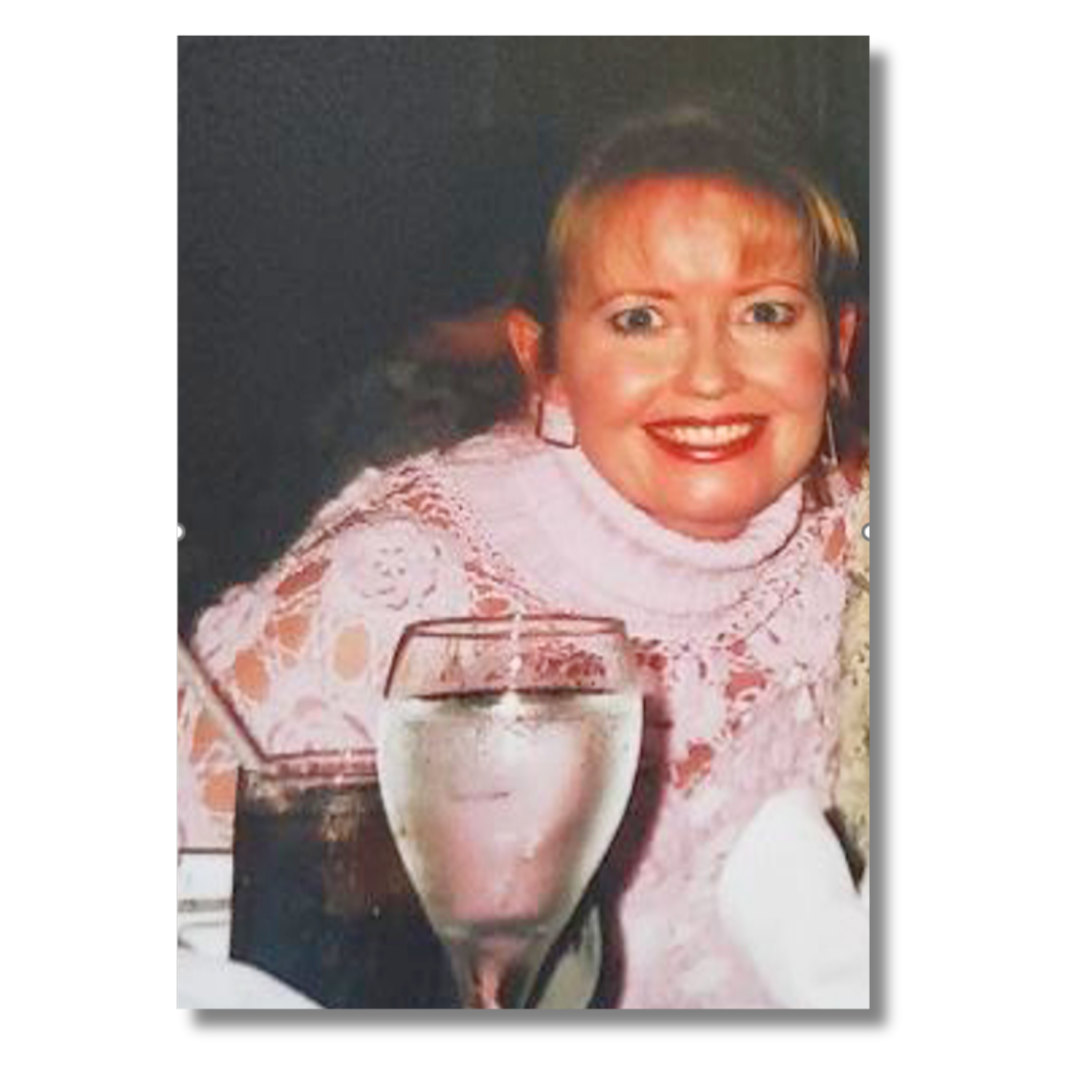
I was 42 when I found out I had polycystic kidney disease.
It started with an ultrasound. I remember being told there was a tumour, and my mind immediately went to cancer. I called my husband, and he came home from work so we could go to the doctor together.
I was terrified. I thought, “This is a death sentence.”
The doctor reassured me that it wasn’t. But he also explained that PKD was something we’d have to watch, because my kidney function could get worse over time. I needed to see a nephrologist and keep an eye on it.
Never heard of it
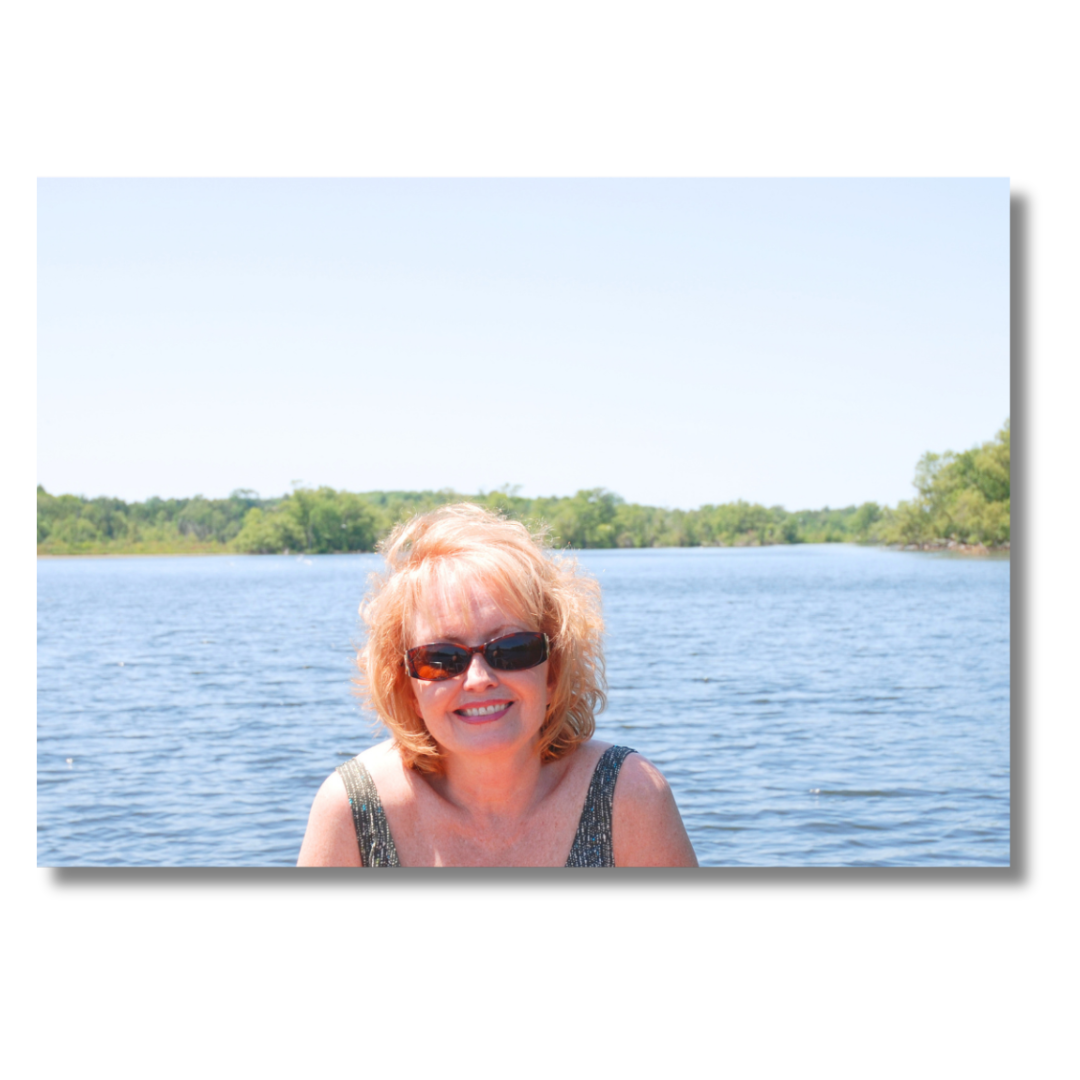
Until that day, I’d never even heard of PKD. There wasn’t much information available to me at the time, either. What I understood was fairly simple: eventually, I might lose kidney function. Beyond that, I didn’t really know what living with PKD would mean.
Once I got over the initial shock, I mostly carried on with my life. I tried to look after myself. I’d been an occasional social drinker, but around age 50 I stopped drinking altogether. I paid a little more attention to what I ate and tried to make generally healthy choices.
But for many years, PKD wasn’t something I thought about every day. That’s one of the strange things about this disease. You can know it’s there, and know that it may affect your future, while still going years without feeling as though it’s running your life.
For probably 20 years, that was how I lived with it. I tried to keep things in perspective. My attitude was basically, “I’ll do what I can, and I’ll deal with the rest when it comes.”
Approaching transplant
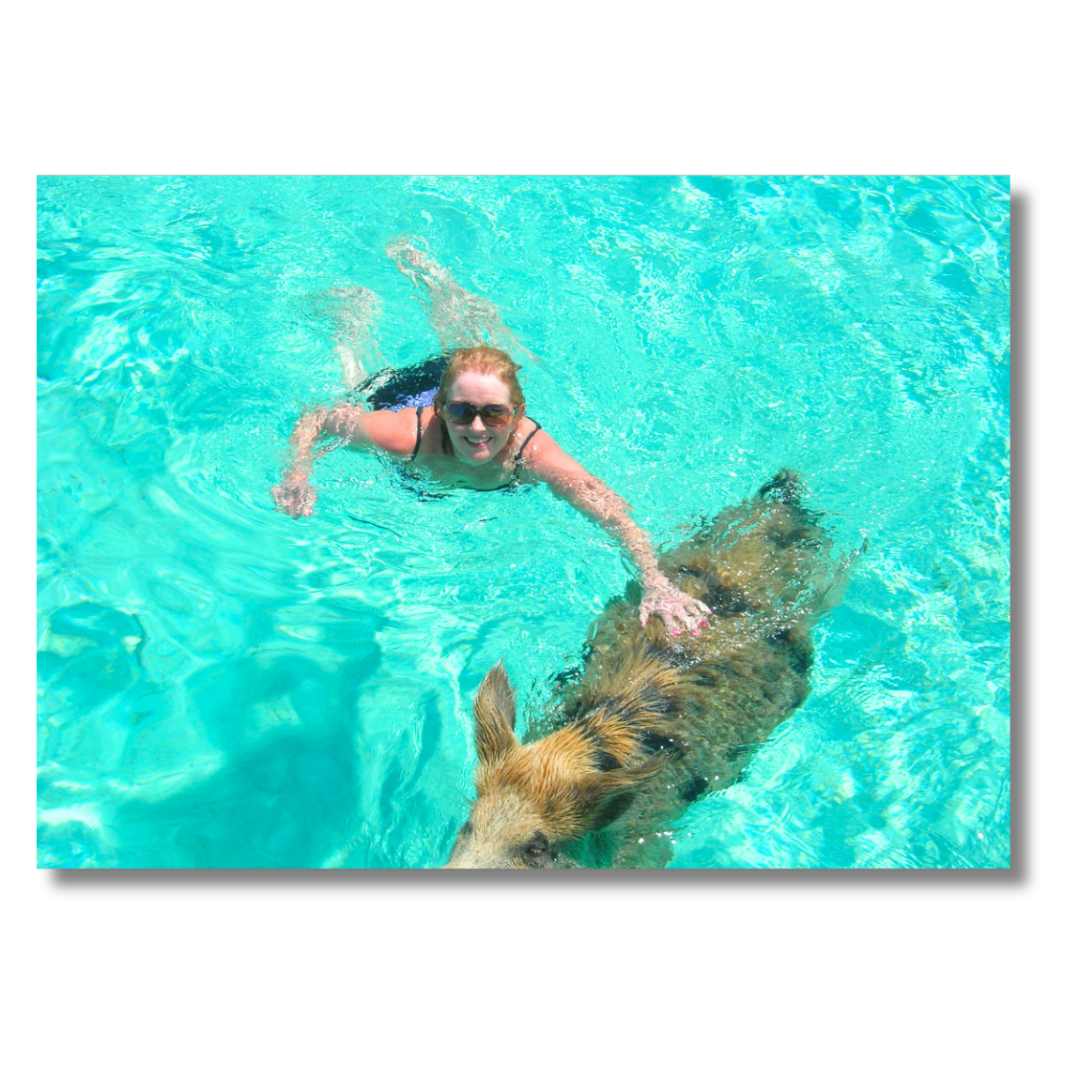
Even now, after living with PKD for more than 30 years, part of me still finds it hard to believe that I may really need a kidney transplant. For a long time, I could almost tell myself, “Maybe I’ll just keep going like this, and my kidneys will never fail.”
But over the past several years, PKD has become harder to keep in the background. My kidney function has continued to decline. I’ve had recurring urinary tract infections for about four or five years, and I’m much more aware now of trying not to get sick.
I notice the loss of energy, too. I’ve always enjoyed being active. I like racquet sports, and I still try to play pickleball once a week. But I can’t play for the full three hours the way some people can. I get too tired.
I used to enjoy biking as well. I’ve mostly given that up. Part of it is the fatigue, and part of it is knowing I can’t go as far as I used to. It takes some of the enjoyment out of it.
I’ve participated in the Walk to END PKD before, and I’d love to do it again. But now I find myself wondering whether I’ll have enough energy. Those kinds of changes can seem small from the outside. But they add up.
Giving up travel
Travel has changed for me, too. I’ve always loved travelling, but now my husband and I tend to keep trips shorter, maybe a week to 10 days. I worry about getting sick while I’m far from home and needing medical care somewhere unfamiliar.
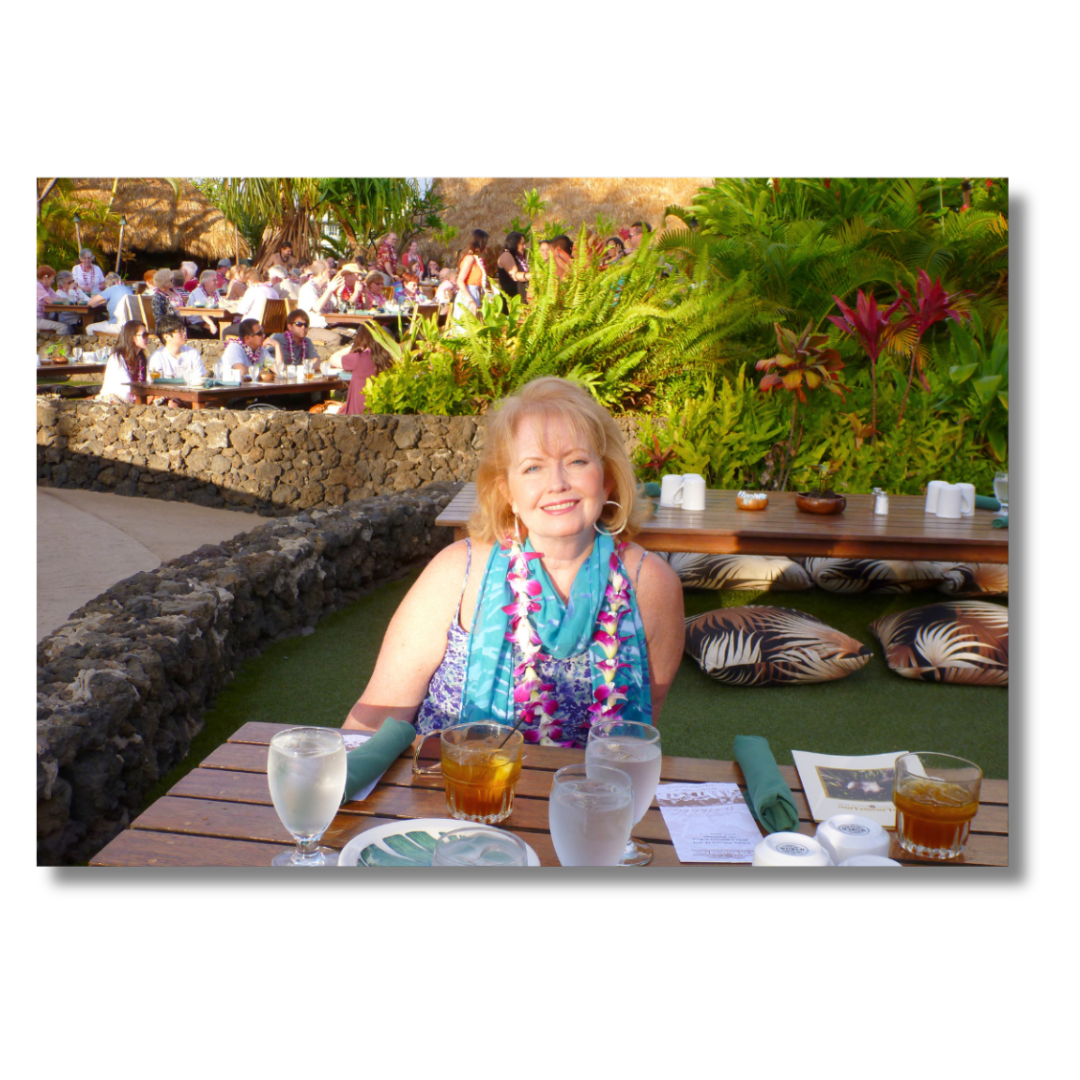
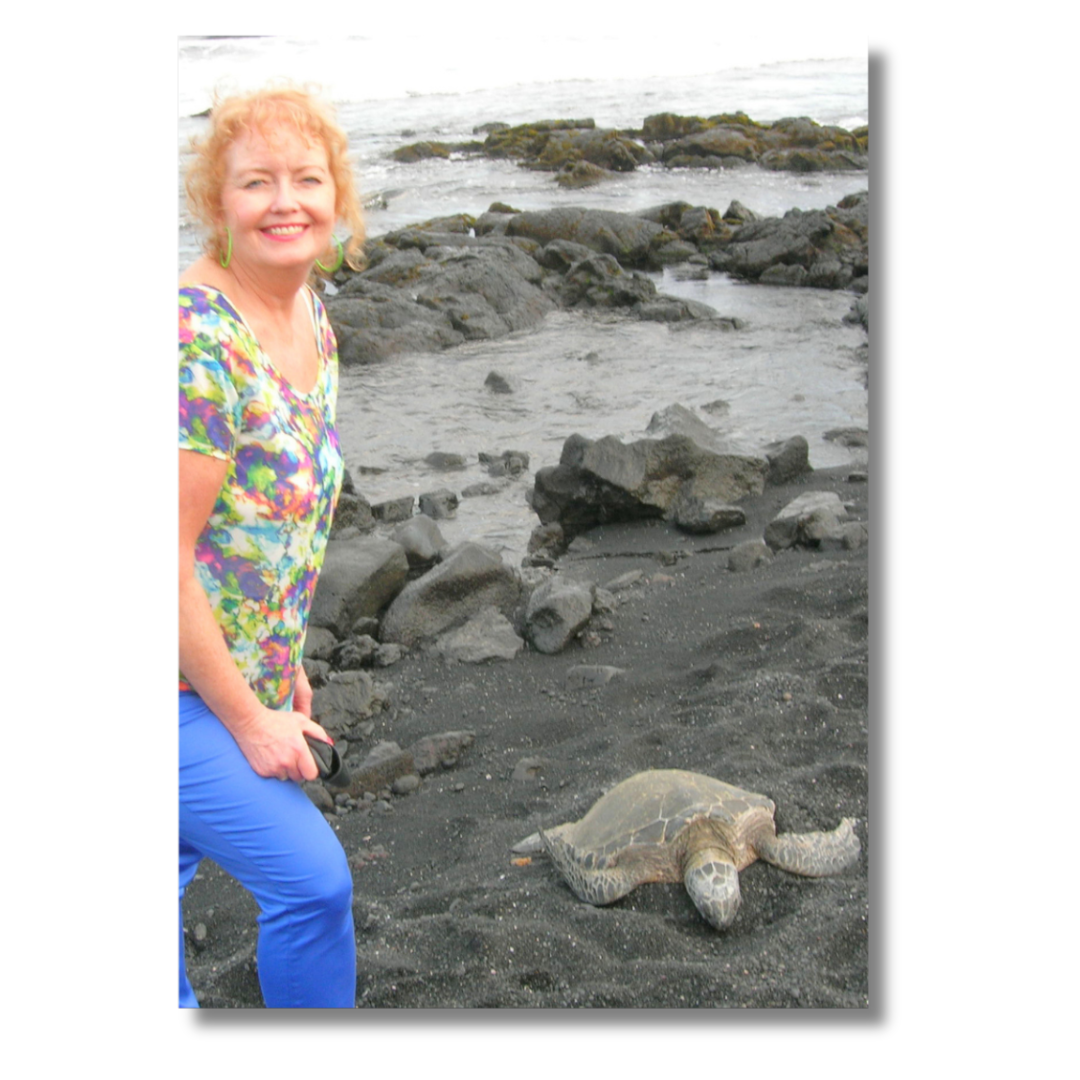
The winter before last, we went to Hawaii, and I became sick while we were there. By the time I got home and was able to get help, I was quite ill. After that, I remember thinking, “I don’t want to go that far away again.”
Last fall, we had planned a "bucket-list trip" to New Zealand and Australia with our son. It was something we’d really been looking forward to, but in the end we decided to cancel. I was worried about being so far from home for that long, and what would happen if I got sick and needed medical care. We were all so disappointed. It was one of those moments when I really felt how much PKD had started to limit the life I wanted to be living.
It isn’t that I’ve stopped wanting to travel. I still want to see places and enjoy that part of my life. But PKD has added another calculation to every trip: How far away am I? How long will it take to get home? What happens if I don’t feel well?
Even visiting friends can be different now. If I wake up exhausted or have a bad day, I’d rather be at home. I don’t want to be staying with someone and feel as though I have to be cheerful and energetic when I simply don’t have it in me. I miss the freedom of not having to think about those things.
Ordinary pleasures
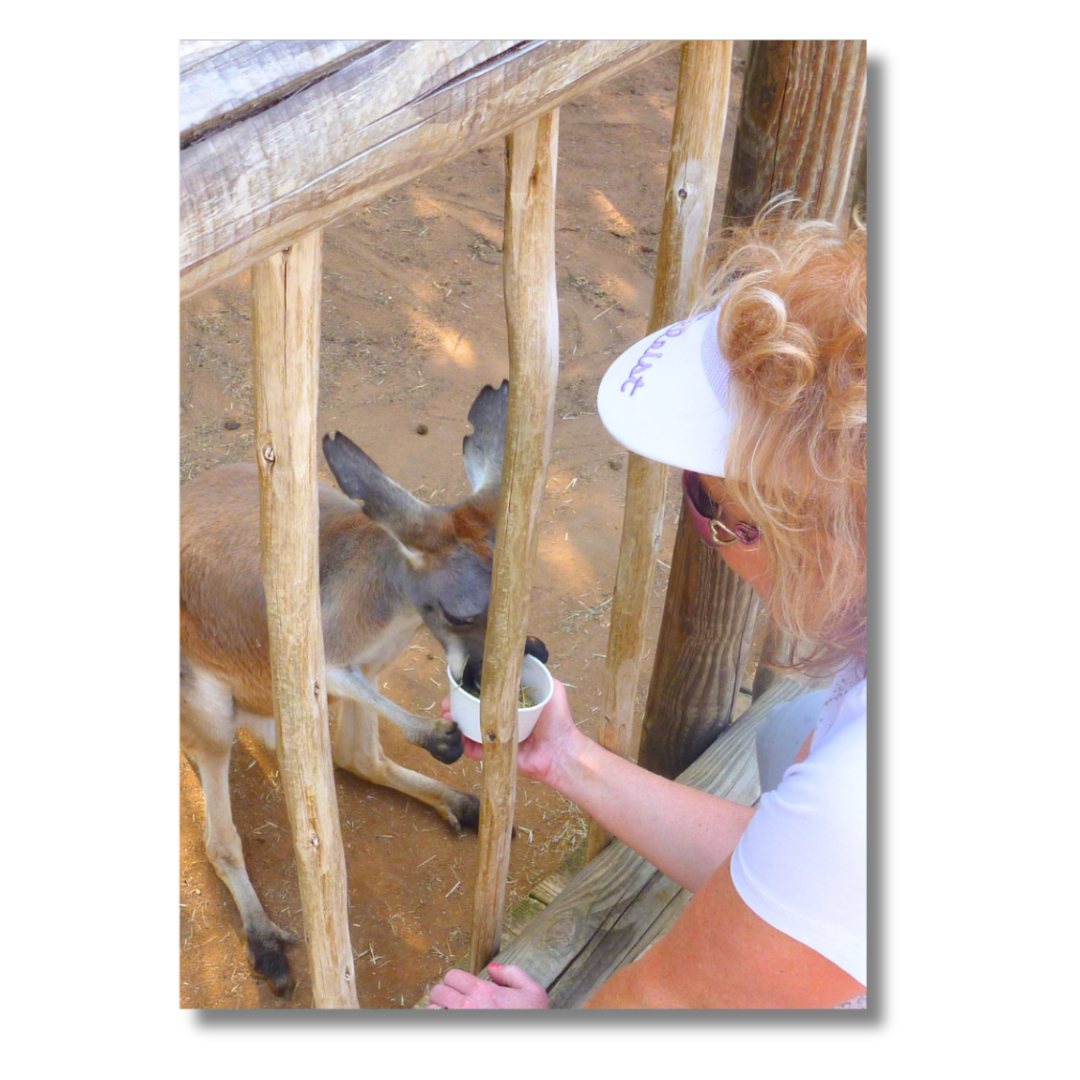
Outside of PKD, my life is filled with very ordinary things that I love. I enjoy shopping and going out for lunch with friends. I love movies. I paint, I read, and I like spending time with my family and friends. Animals have always been especially important to me, particularly dogs.
I volunteered with the Simcoe Humane Society, and I continue to support its work. Since retiring to Port Dover more than eight years ago, I’ve also been involved with 100 Women Who Care, which raises money for local charities. Giving back has always mattered to me.
Now I find myself in the uncomfortable position of needing something enormous from someone else. As my kidney function has fallen to very low levels, I’ve begun actively looking for a living kidney donor.
Looking for a living donor has made me realize how little control I actually have over this next part of my life. Of course I hope for a transplant before I ever need dialysis. I’d love to believe that if I work hard enough at finding a donor, I can make that happen. But this isn’t something I can simply fix by trying harder.
I can tell my story. I can put up posters. I can ask people to share them. I can go to my appointments and do everything my medical team asks of me. After that, so much depends on things outside my control: whether someone comes forward, whether they’re healthy enough to donate, whether we’re compatible, what the testing shows, and how the timing works out. That uncertainty may be one of the hardest parts.
Imagining life after transplant
When I imagine receiving a transplant, I don’t imagine doing anything extraordinary. I imagine having more energy. I imagine playing pickleball without having to stop because I’m exhausted. Maybe riding my bike farther again. I imagine visiting people without wondering whether I’ll need to leave early. I imagine travelling where I want to go, and staying as long as I want, without constantly thinking about how quickly I could get home if something went wrong.
Mostly, I imagine having what feels like a normal life again. After living with PKD for 31 years, I also wish more people knew this disease existed. PKD affects about one in 400 people, yet many people have never heard of it. I certainly hadn’t when I was diagnosed.
We hear a great deal about diseases such as cancer, and rightly so. But PKD can still feel like one of those diseases that lives in the background, even though it affects so many families. For many years, that was true in my own life as well. PKD was there, but it stayed in the background. Now it’s harder to ignore.
I still try to approach it the same way I always have: do what I can, enjoy my life, and deal with each stage as it comes. But I also know that I need help with this next part. And I’m hopeful that, somewhere, there may be someone who can help me get back to more of the life I love.
Cheryl, August 2026
_____
If you or someone you know is interested in donating a kidney to Cheryl, email us at [email protected] for more information.
Did you know that there are a number of resources available to help people share their need for a living organ donation - including informative webinars, a template for writing your living donor appeal, and a document library of information about living organ donation? You can find these resources here.