Krista Merkley, ON | Voices of PKD
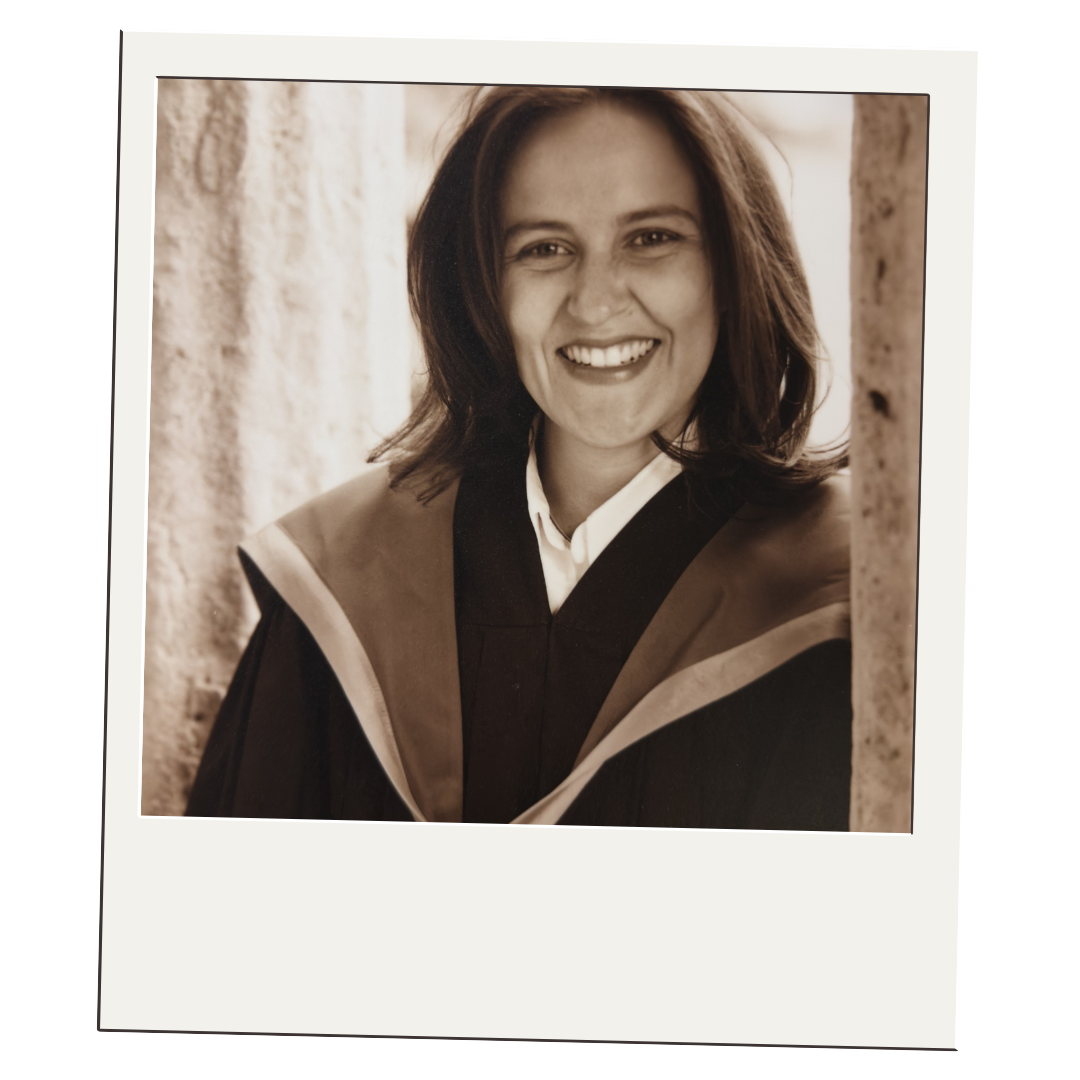 For about 30 years, PKD was something I had, but not something I thought would take over my life.
I was first diagnosed in my early 20s. I remember being told that I’d probably be fine, and that something else would likely happen before I ever had to worry about kidney failure. I did some research, but back then, information wasn’t as easy to find. I believed what I was told.
At the time, I was the first person in my family, that I knew of, who had PKD. After my diagnosis, my mom got tested and found out she had it too. Then we learned about other people on my mom’s side of the family who had it.
Looking back with new questions
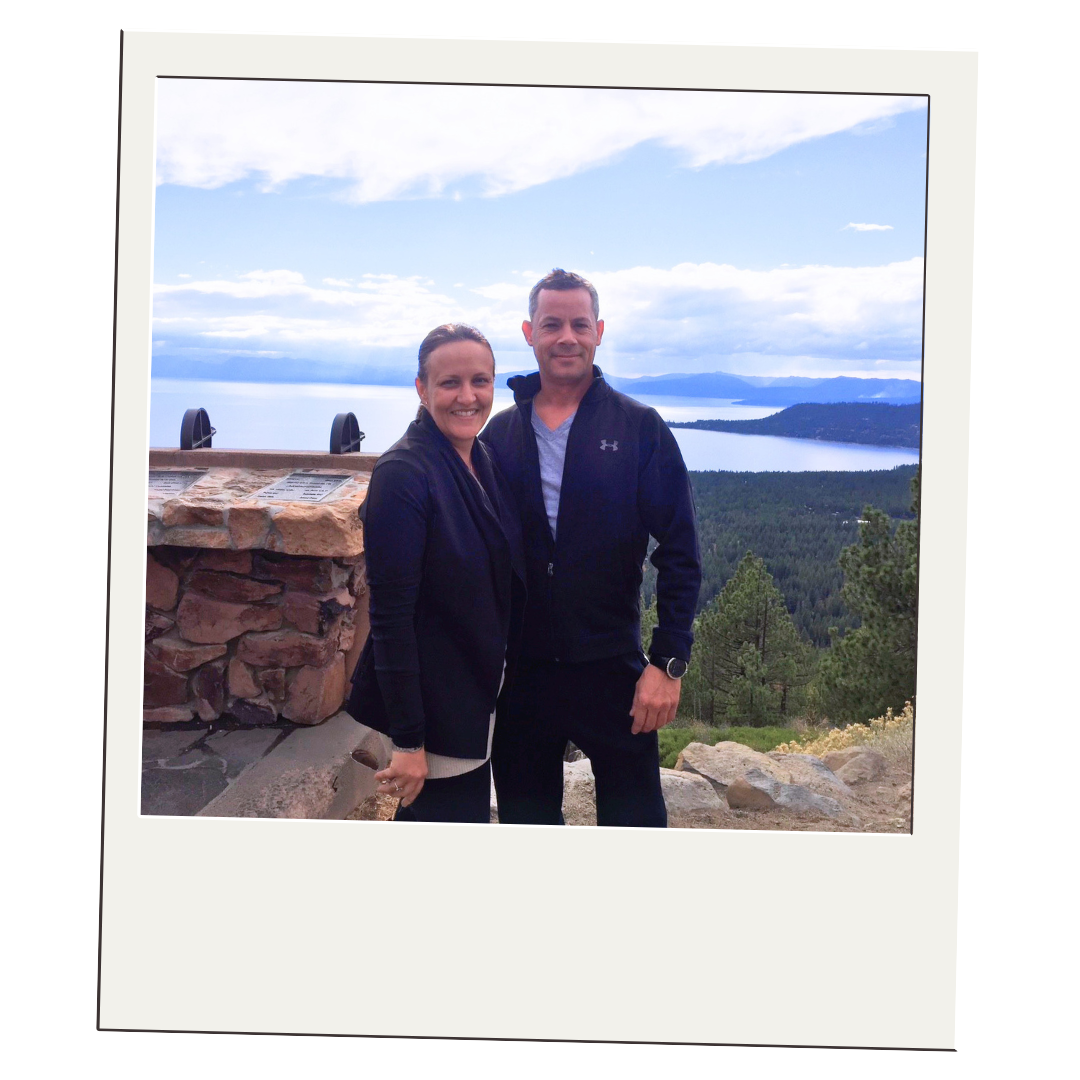 For a long time, kidney disease didn’t feel like a big deal. I would see my nephrologist once a year, sometimes every six months. They would check my bloodwork and talk about my eGFR. It was dropping slowly, from the 90s and 80s, then into the 70s. Right before COVID, it was in the low 60s.
I look back now and think, “I wish I’d paid more attention.” It’s not exactly regret, but there’s a question that still sits in the back of my mind: “Could I have delayed this a little bit longer?”
I wish I’d asked more questions. I wish I’d understood more about how important my kidneys were. People talk a lot about the importance of hearts, lungs, and brains. Kidneys weren’t talked about in the same way. Even having kidney disease, I didn’t understand how vital they were.
At the same time, I was doing what a lot of people do. I was living my life. I was going to appointments. I was trusting the information I had at the time. You can only act on what you understand.
When everything changed
Then COVID hit. We moved. I lost my family doctor. My nephrologist retired. For about three or four years, I didn’t have regular kidney testing. When I finally got bloodwork again, my eGFR was 25.
I had gone from about 61 to 25 in that gap. I remember thinking, “Okay, there’s something wrong here.” That was the moment PKD changed from something I had to live with, to something that was going to change my life.
I was referred to a new nephrologist in London. That’s when we started talking about transplant and dialysis. At first, the doctor thought I might have five to ten years before my kidneys failed. But my kidney function kept dropping faster than expected. My first reaction was, “I’ll fix it.”
Trying to slow things down
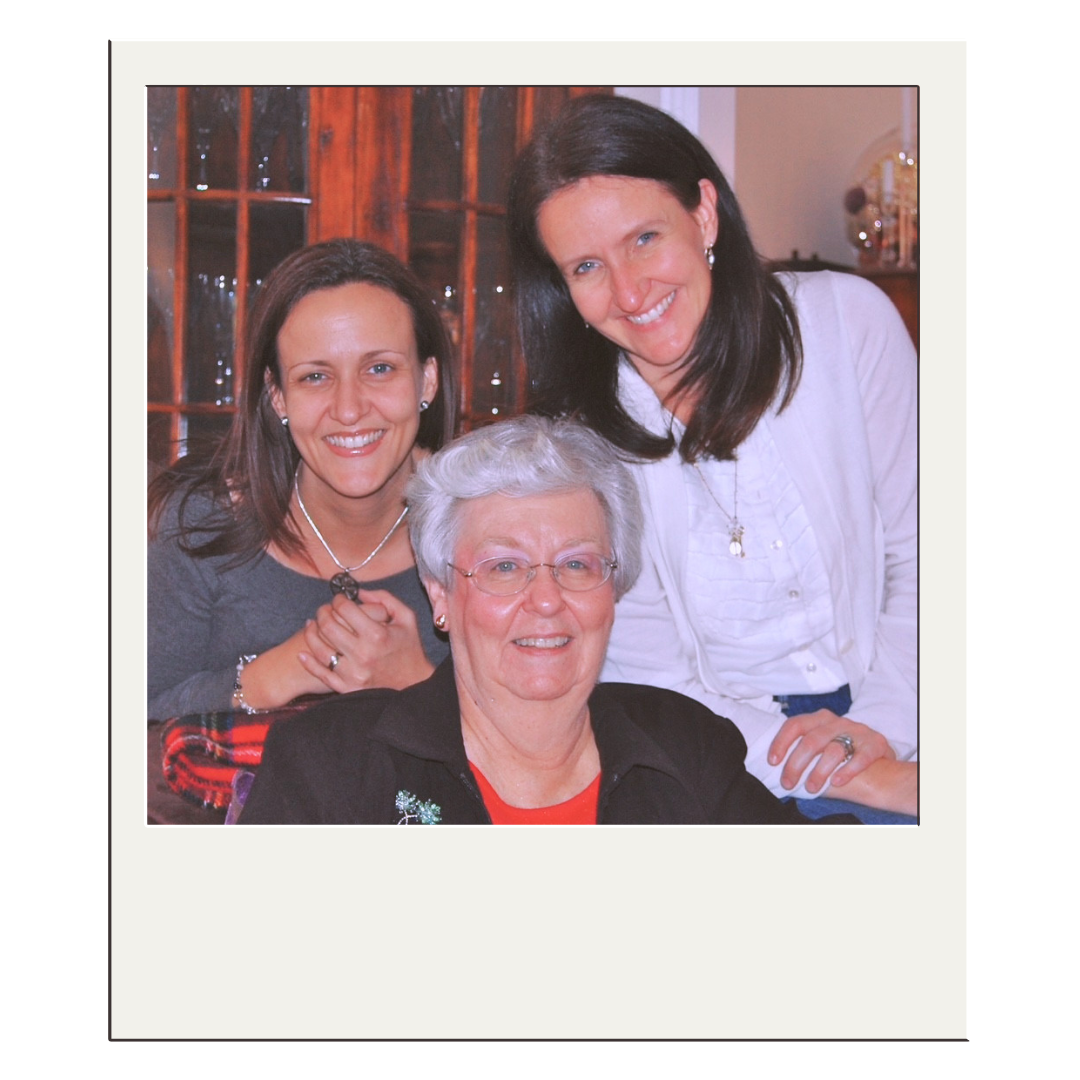 I went into solve mode. I researched everything. I worked with a dietitian. I thought, “I’m going to stop this decline. I’m going to diet, exercise, and ‘live life like a monk.’” But my kidneys were already on their way.
That was hard to accept. It was also hard to realize how much information there was, and how much of it didn’t fit neatly into one answer. Kidney disease isn’t the same for everyone. Even within one family, PKD can look very different.
I think a lot of people with PKD understand that urge to problem-solve. You want to find the right food, the right habit, the right plan, the thing that will make everything stop moving so fast. Sometimes those changes can help you feel more in control. But they don’t always change the larger path your body is on. That can be frustrating. It can also be humbling.
Learning that PKD doesn’t follow one path
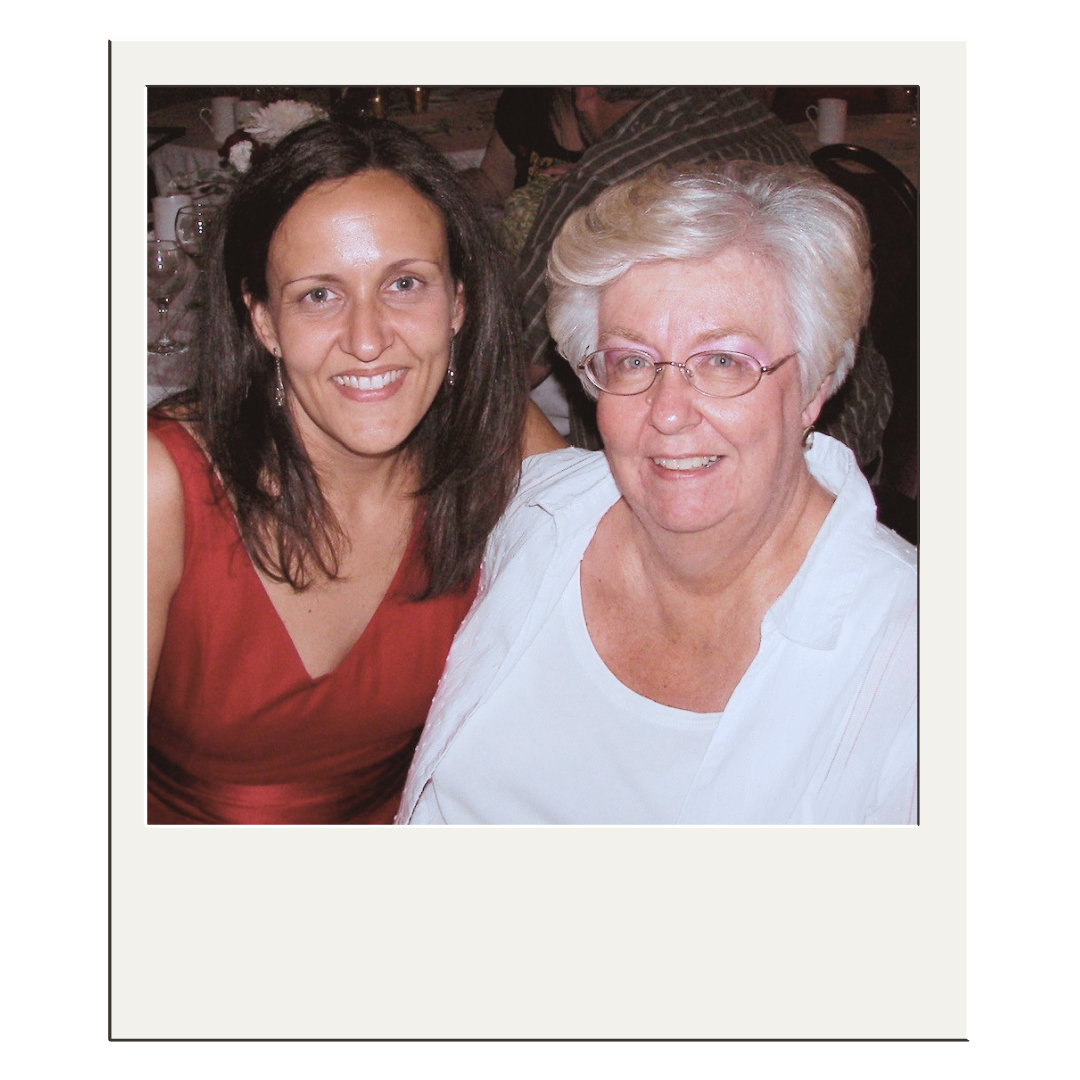 For example, my mom had PKD, but she died at 77 of something else and still had decent kidney function. My circumstances are quite different. In addition to having PKD, I’ve also had protein in my urine for years, which is not usually a symptom of PKD. My current nephrologist thinks this may point to a secondary kidney disease. Looking back, that was mentioned in my records right from the start, but I didn’t understand what it meant. I wish someone had explained it more clearly. I also wish I’d known to ask.
That’s one thing I would say to someone earlier in their PKD journey: ask questions, even if you’re not sure they’re the “right” questions. Ask what your numbers mean. Ask what changes your doctor is watching for. Ask what should make you follow up sooner.
You don’t need to become an expert overnight. But understanding your own body can make the road feel a little less mysterious.
Hoping for a living donor
Once transplant and dialysis became real, I put a lot of hope into getting a living donor. I told myself I was never going to go on dialysis. I was going to have a pre-emptive transplant. I know only a small number of people get that, but I thought, “I’m going to be one of them.” I wanted to solve the problem.
But this isn’t the kind of problem you can solve on your own. You’re doing your part, but there are so many other pieces involved: medical teams, test results, timing, and other people’s choices. That’s one of the hardest mental parts of this journey.
The emotional weight of asking
It’s hard to need a kidney. It’s hard to ask. It’s hard to know that someone could step forward and help you, while also knowing that many people can’t, or won’t. I’m so grateful for the people who do come forward. At the same time, it’s still emotionally difficult.
You’re asking someone to have surgery. You’re asking them to give up a piece of their body. That’s a whole mental thing that’s hard to square. I haven’t fully squared it yet.
But I’ve also learned that I don’t have to square it all at once. Some days, I can hold the gratitude. Some days, I can hold the fear. Some days, I can hold both.
That’s part of the mental health side of PKD that I don’t think people always see. There’s the outside version of you, the person who is going to appointments, answering questions, posting updates, thanking people, and trying to stay hopeful.
Then there’s the inside version of you: the person who is tired, scared, overwhelmed, or just trying to get through the day. Both are real.
Letting others help carry the search
I’ve had four people come forward to donate, but unfortunately all were ruled out for various reasons. And because PKD runs in my family, that also limits the number of people close to me who could possibly donate. I’m still actively looking and need help to spread the word, hopefully reaching that one person who could be my living donor.
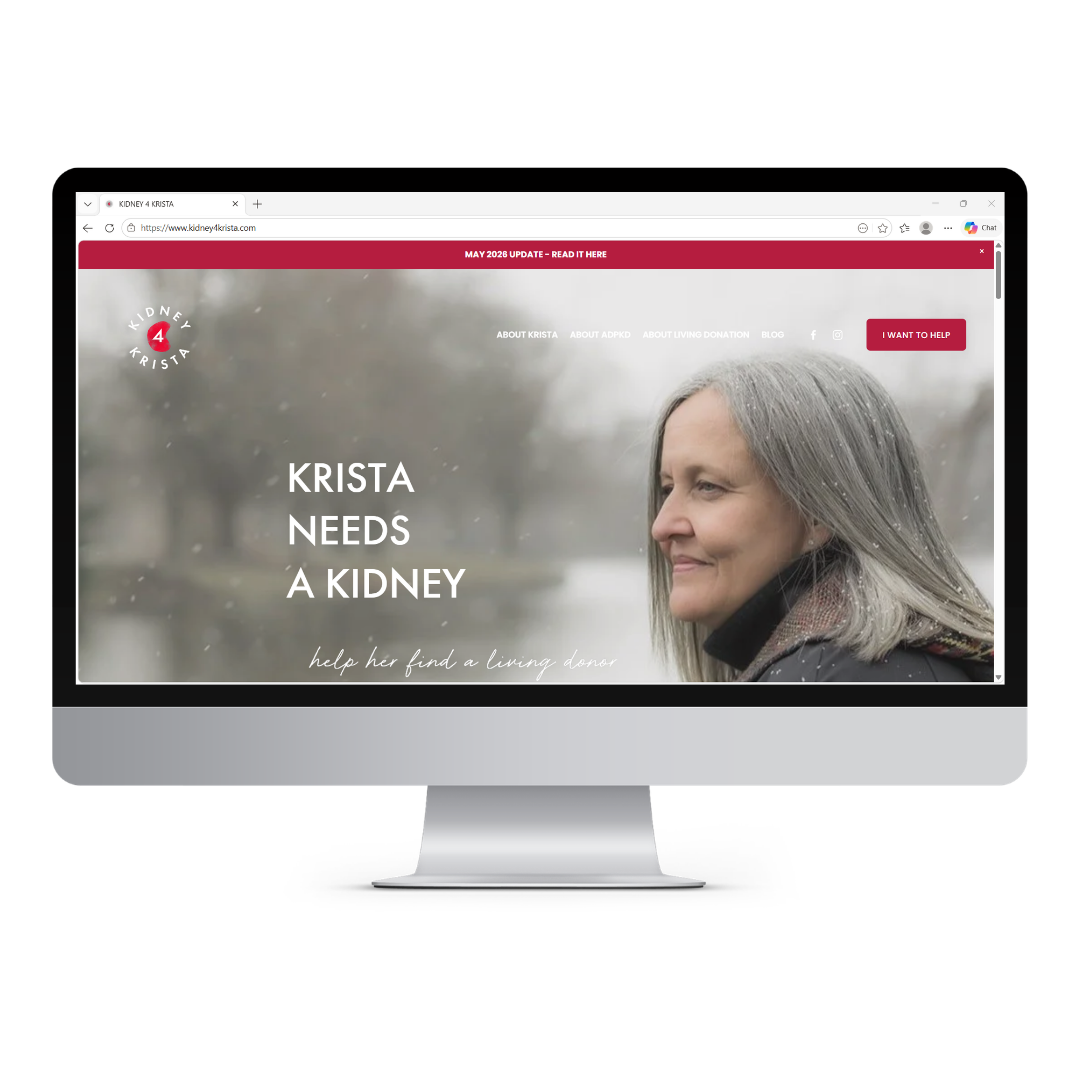 My sister has helped so much. She created a website for me, helps with email blasts, and shares my story. I write the blog posts, and she helps get them out into the world.
That help matters, because advocating for yourself is hard. Just from an emotional and mental standpoint, it’s easier when other people can advocate for you.
The search for a living donor ebbs and flows. Sometimes I get down and go quiet for a while. Then I get back to it and try another push.
I think that’s okay. Hope doesn’t always look loud. Sometimes hope looks like resting for a bit, then trying again.
Getting on the list
The transplant process itself is also a lot to carry.
When I was approved for the transplant list, there was a full day of meetings. My husband and I met with the surgeon, the anesthetist, the social worker, and the head nephrologist. They were giving us so much information: about living donation, deceased donation, exceptional organs, surgery, the matching process, and what could happen next.
When people asked, “Do you have any questions?” we didn’t really know what to ask. We were in that stage of, “I don’t know what I don’t know.”
One night, I got a call at 3 a.m. offering me an exceptional organ. I had just had my peritoneal dialysis catheter inserted a week earlier. I hadn’t even started dialysis yet. I said yes to the kidney.
Making big decisions with imperfect information
In the end, that kidney wasn’t approved for transplant. I don’t regret saying yes, because I learned a lot from that process. But the experience stayed with me.
It made me realize how hard these decisions are. If I have a living donor being worked up, and I take a deceased donor kidney, what does that mean for the living donor? What does it mean for someone else on the transplant list? I realized that every decision in organ donation can have an impact on other people.
I try not to overthink it, because I know I can’t carry all of that. But the truth is, I do think about it. It’s a tough thing to weigh. Emotionally, it still weighs on me at times.
What helps is realizing that I don’t have to make every possible decision in advance. I can make the decision in front of me, with the information I have, and trust that I’m doing my best.
Starting peritoneal dialysis
I eventually started peritoneal dialysis (PD). I chose PD over hemodialysis because I’m not great with needles or blood. At first, the idea of having a tube coming permanently out of my belly was pretty creepy. But it’s amazing how quickly you get used to it.
The first night on the cycler was weird. The machine makes sounds you have to get used to. There’s also the mental piece of being attached to a machine. You’re tethered. If you get up in the night, you’re dragging a tube with you. But I also felt better quickly.
Feeling more like myself again
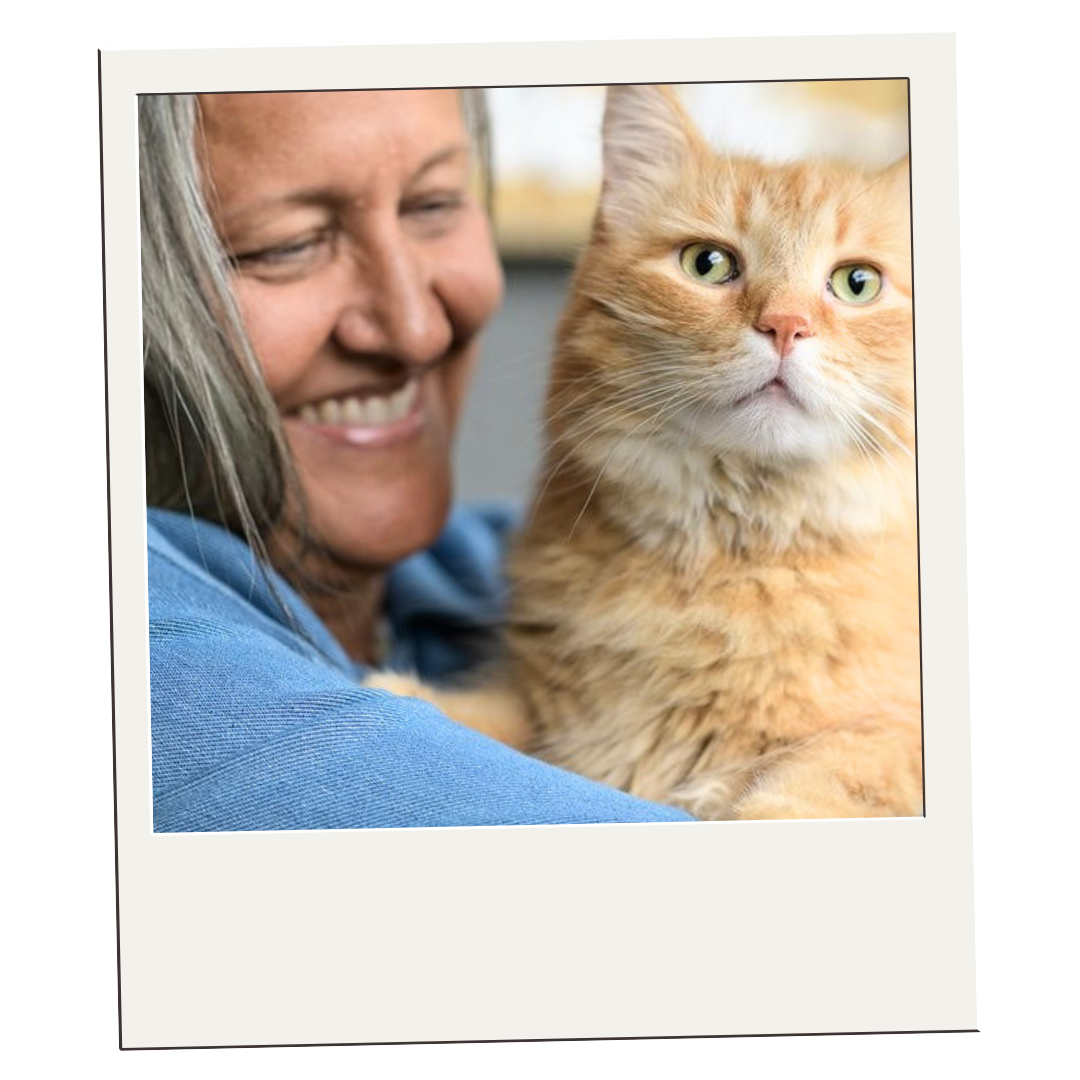 After my first PD cycle, I noticed more energy. After about a week, other people noticed too. Before dialysis, I’d reached the point where I couldn’t unload the dishwasher without being out of breath.
Now I can garden. I can cook dinner and go for walks with my husband again. I can do things I hadn’t been able to do for years.
That was a big shift. Dialysis was something I had been afraid of, and it’s still not easy. Setting up the machine every night is a lot. Travel takes planning. I still get scared when I hear stories about possible complications, peritonitis, or people needing revision surgeries.
But I try to keep perspective and say, “This is where I am.” I don’t have a choice, so I have to make the best of the situation I’m in. There’s still life here. It’s a different routine, but it’s still my life.
What I’d tell my past self
 If I could say one thing to the part of me that was so set against dialysis, I would say that it wasn’t as bad as I told myself it would be. For me, PD has helped me feel a little bit more in the land of the living than I did before.
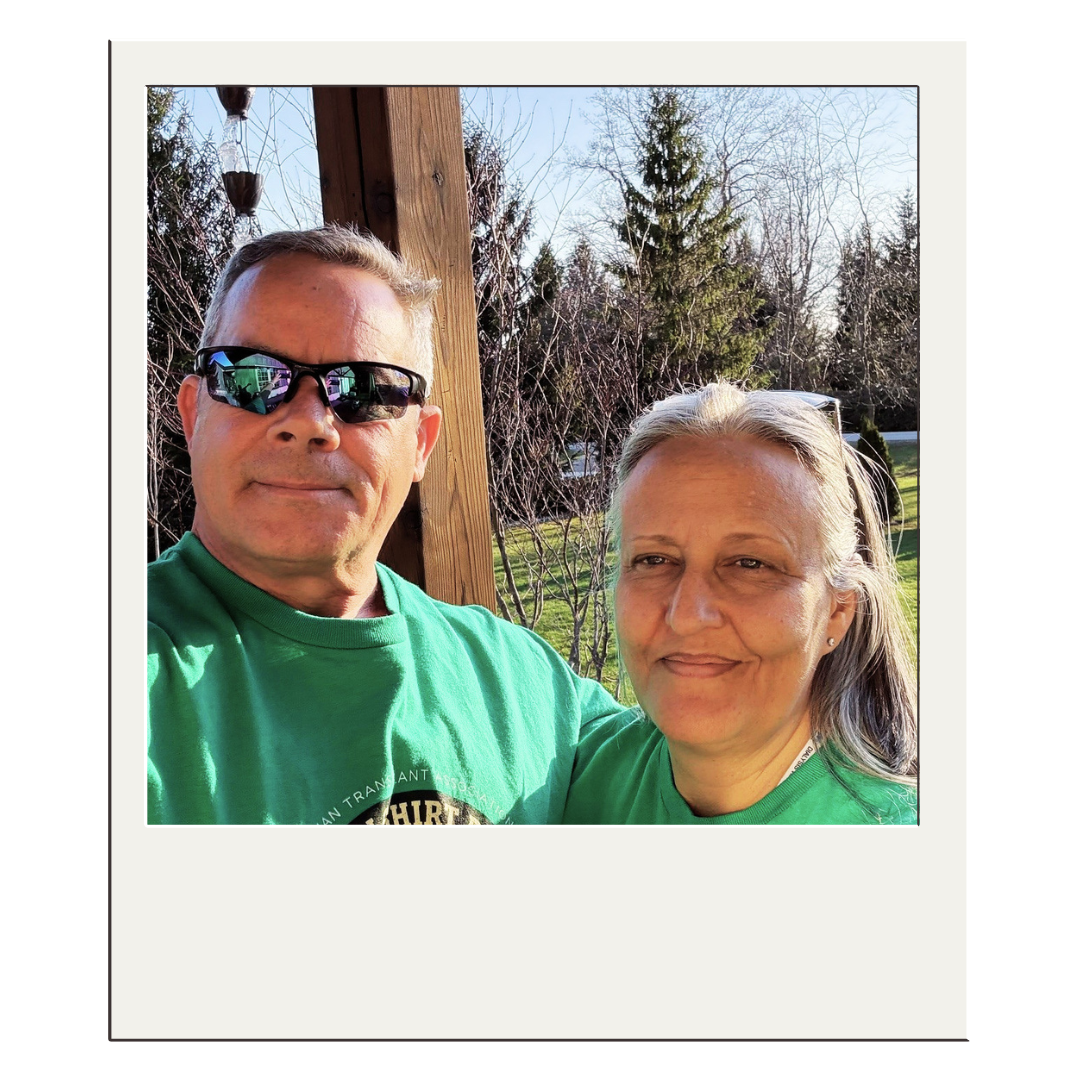
One of the biggest supports has been my husband. He’s helped in so many ways throughout this journey, from cooking dinner and helping with the PD machine, to listening when I need to gripe. I’m very aware that my disease affects him too.
People often check in on the person who is sick. They don’t always check in on the caregiver. But while he might not be the one that’s connecting to the dialysis machine, he’s still living this every day with me. I’m grateful for having him by my side through this.
I’ve also found support in the PKD community. I wish I’d found it sooner.
Finding people who understand
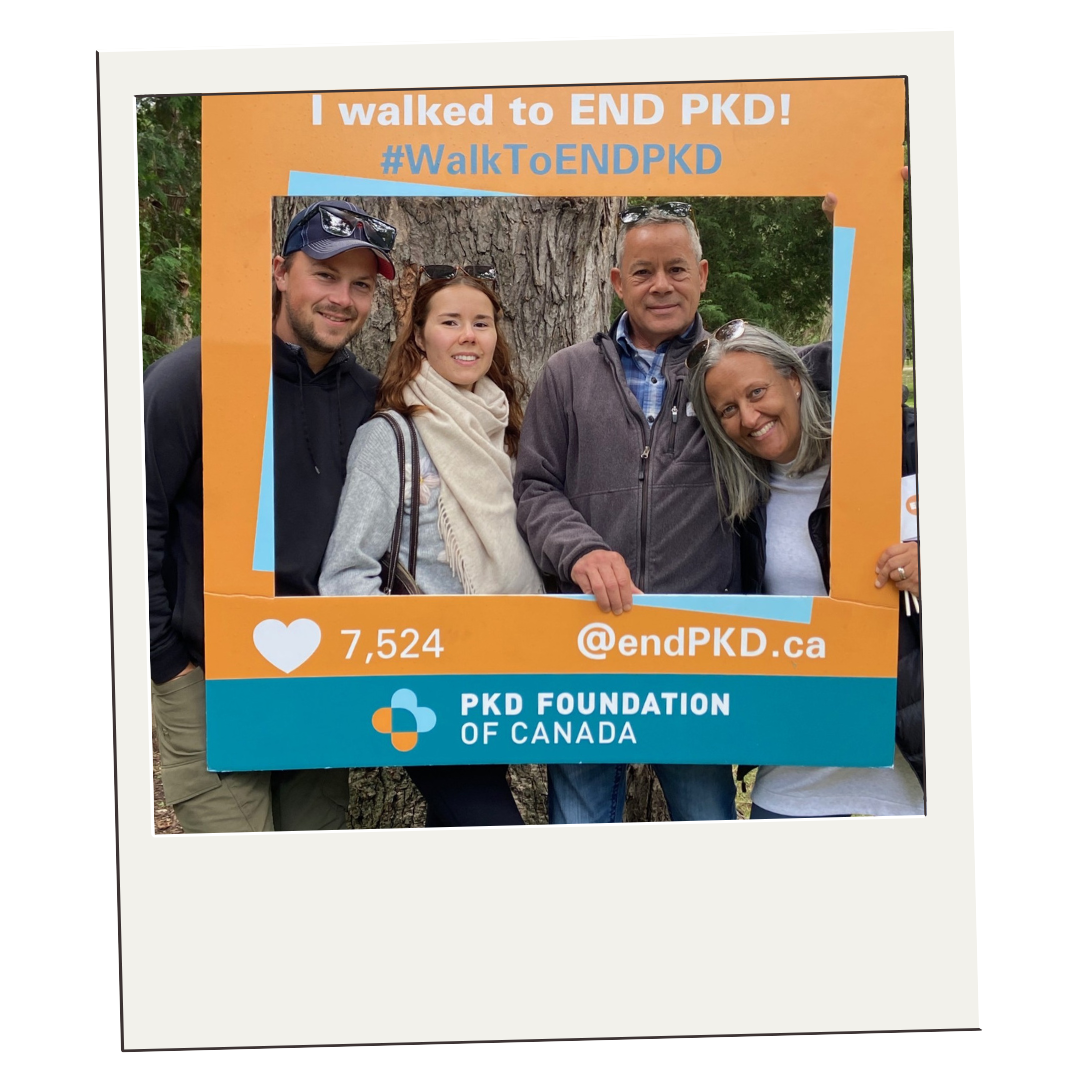 Hearing other people’s stories has helped me feel less alone. Sometimes it gives me perspective. Sometimes it gives me practical information at exactly the right time.
At one point, my PD catheter changed position inside me. Thankfully, I’d seen someone on Instagram talking about the same thing happening to her. No one had told me that could happen. When it happened to me, it felt a little less scary because I’d seen someone else go through it. That’s why sharing matters.
The most helpful people are not always the ones who tell you to stay strong or be positive. I know those messages usually come from love – I used to be that person too. But when you’re on the receiving end, it can feel different.
Sometimes you don’t need someone to tell you everything will be fine. Sometimes you need someone to say, “It’s okay to feel like crap. It’s okay to be scared. It’s okay to be sad, or angry.”
I have a friend I met through the PKD community. While we’ve never met in person, there’s a real connection because we understand each other. We can share the fear, worry, anger, and sadness without trying to fix it right away. That’s a special thing.
The inside self and the outside self
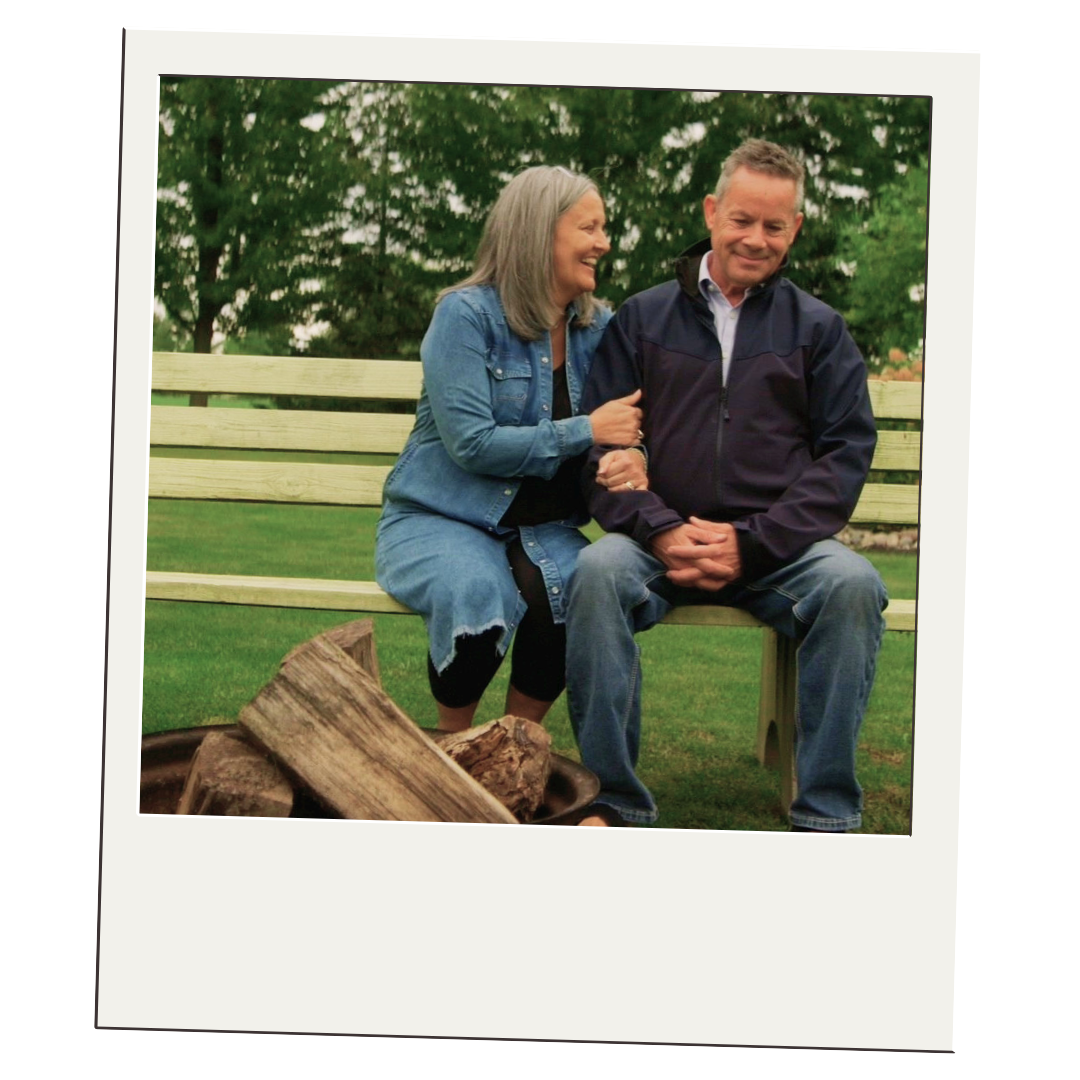 PKD is physical, but the emotional side adds a whole other layer. You’re dealing with your body. You’re dealing with uncertainty. You’re dealing with hope. You’re dealing with the practical side of treatment, and the private side of how you feel about it.
For me, there’s often an inside self and an outside self. The outside self might be writing an update on my blog, making a plan, thanking people, or explaining what’s happening. The outside self can sound steady, organized, and hopeful.
The inside self might be scared, tired, frustrated, or sad. Sometimes the inside self doesn’t have a neat, encouraging thing to say. Sometimes it just needs room to be honest.
I’m learning that both parts can exist at the same time. I can be hopeful and scared. I can be grateful and exhausted. I can be doing well on dialysis and still wish I didn’t need it. I can share my story and still have days when I don’t want to talk about PKD at all. That doesn’t mean I’m not coping. It means I’m human.
Living with PKD has taught me that sometimes the best support is not advice. It’s not forced positivity. It’s someone sitting with you in the hard part, and letting you feel what you feel. Because that’s how you work through it.
I share my story because I hope it helps someone else. If it helps one person feel less alone, or a little less scared, then it’s worth it.
→ You can learn more about donating a kidney to Krista on her website, KIDNEY 4 KRISTA.
→ Krista is also listed on the Transplant Ambassador Program’s website.