Phouvieng Sackda, Toronto ON | Voices of PKD
My Journey with PKD: From Diagnosis to Transplant
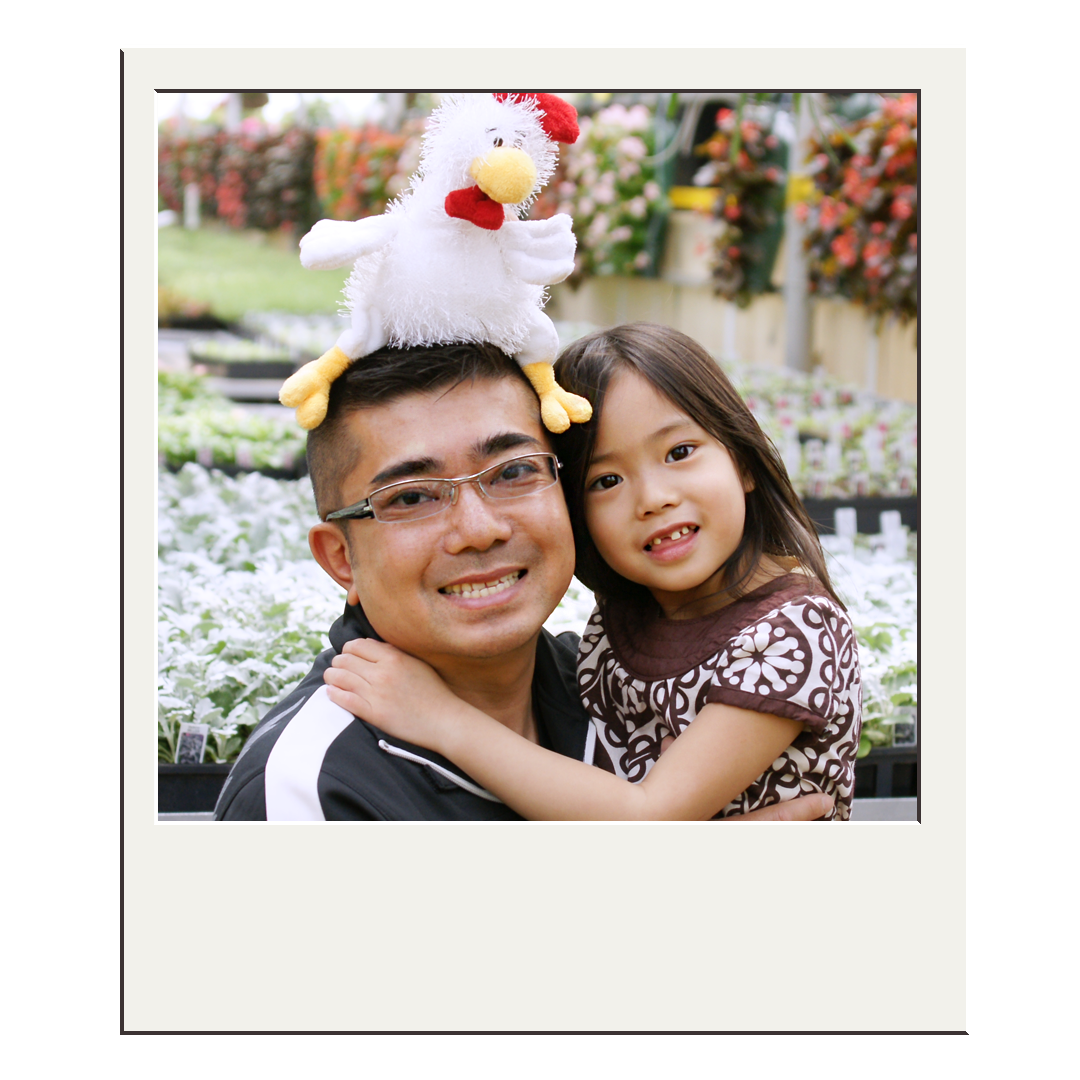 My name is Phouvieng Sackda, and I have lived through every stage of polycystic kidney disease (PKD) - from diagnosis to dialysis, and ultimately, to a life-changing kidney transplant.
Diagnosis
I was diagnosed with PKD in 1997 at the age of 27, shortly after my mother received her own diagnosis. At the time, PKD was not well known, and even my family doctor had limited knowledge of the disease. An ultrasound confirmed my condition, and I was referred to a nephrologist who began monitoring and educating me about PKD.
Based on a CT scan and the size and number of my cysts, I was believed to have PKD1, the more aggressive form of the disease. My doctor reassured me that dialysis likely would not be necessary until my 60s. Unfortunately, by the age of 41, my kidneys were already at the end stage of kidney function.
Lessons in Lifestyle and Health
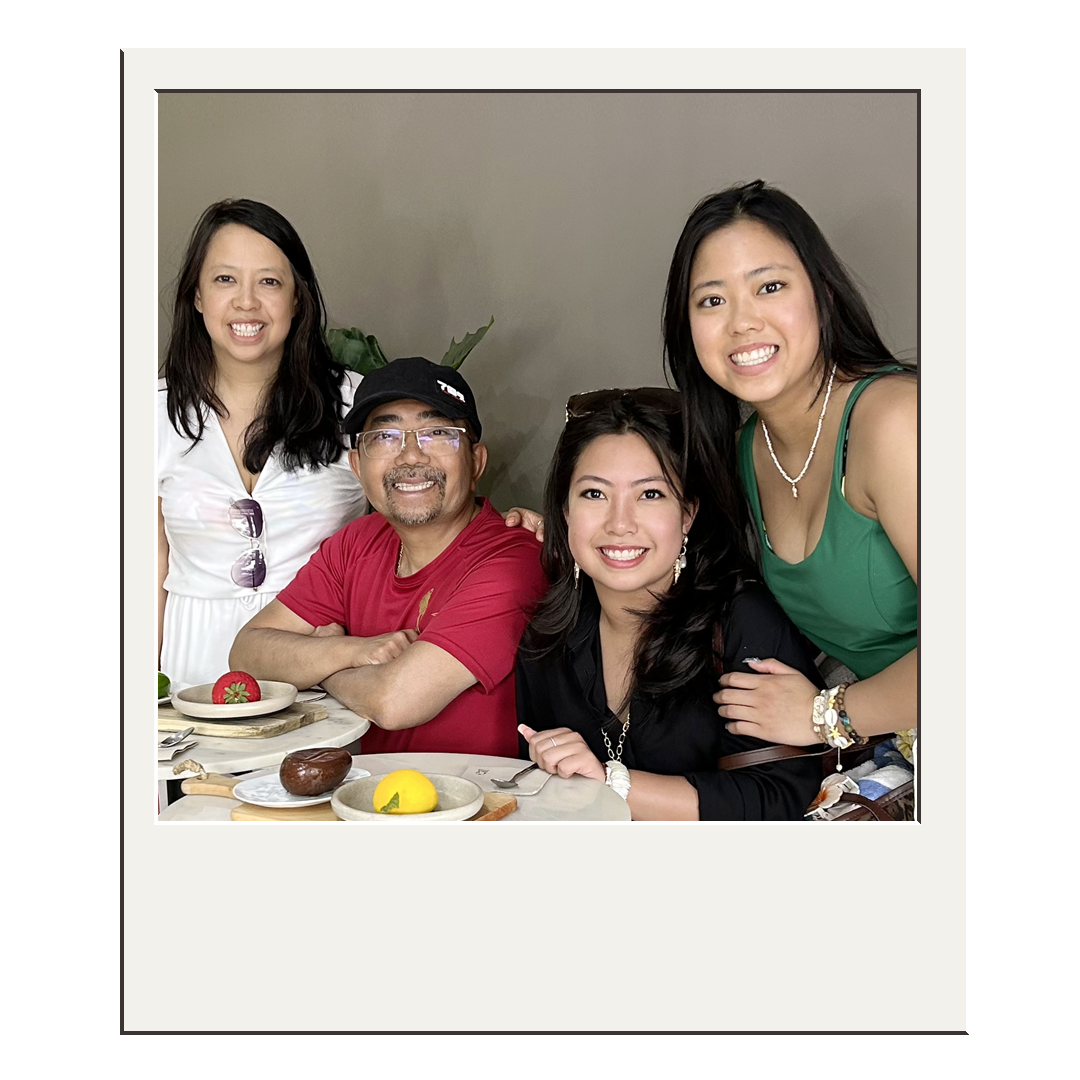 Looking back, I know lifestyle choices and lack of awareness contributed to my decline. Frequent buffets, daily sodas, and poor blood pressure management all contributed to the issue. I often ignored kidney pain and fevers, assuming they were simply part of PKD, when in fact they were untreated infections causing further damage.
High blood pressure, in particular, was something I misunderstood. I assumed that because I was prescribed medication, I was managing it correctly. What I didn’t realize was that my blood pressure was often controlled during the day but would rise in the evenings. For years, my kidneys endured that cycle, which likely accelerated their decline.
If I could go back, I would have paid more attention to nutrition, blood pressure monitoring, and recognizing the seriousness of infections. These are lessons I now hope to pass on to others - and especially to my two daughters.
Dialysis and Faith
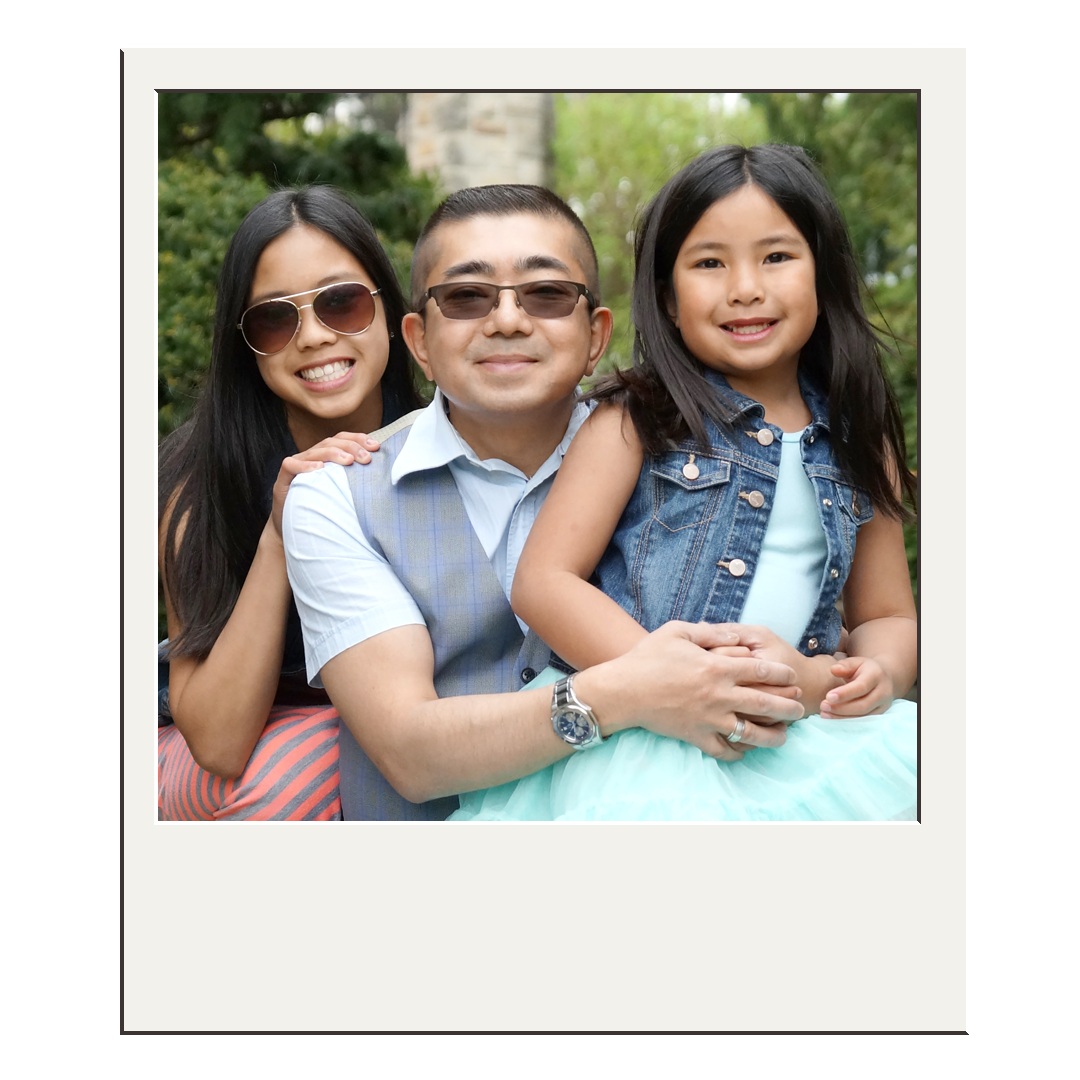 By the time I turned 40, my nephrologist told me it was time to prepare for dialysis. After learning about the two options - hemodialysis and peritoneal dialysis (PD) - I chose peritoneal dialysis because it allowed me to receive treatment at home while maintaining my work and family responsibilities.
The transition was a drastic lifestyle change. PD began at just a few hours per day, but eventually required up to 13 hours daily - I was on dialysis for 4 years. I adapted by working at my computer while connected to the machine, caring for my daughters during the day, and relying on my wife’s support in the evenings. My dialysis team at Mackenzie Health Hospital was incredible - they guided me through challenges and ensured I never felt alone in the process.
During this period of my life, my faith became my anchor. I grew closer to God, attended church more often, and deepened my relationship with Him. A close friend invited me to join a weekly Bible study at church. Together, we prayed, studied scripture, and consistently asked God for one thing: a new kidney. These times gave me strength, peace, and the ability to endure the uncertainties of dialysis.
The Call
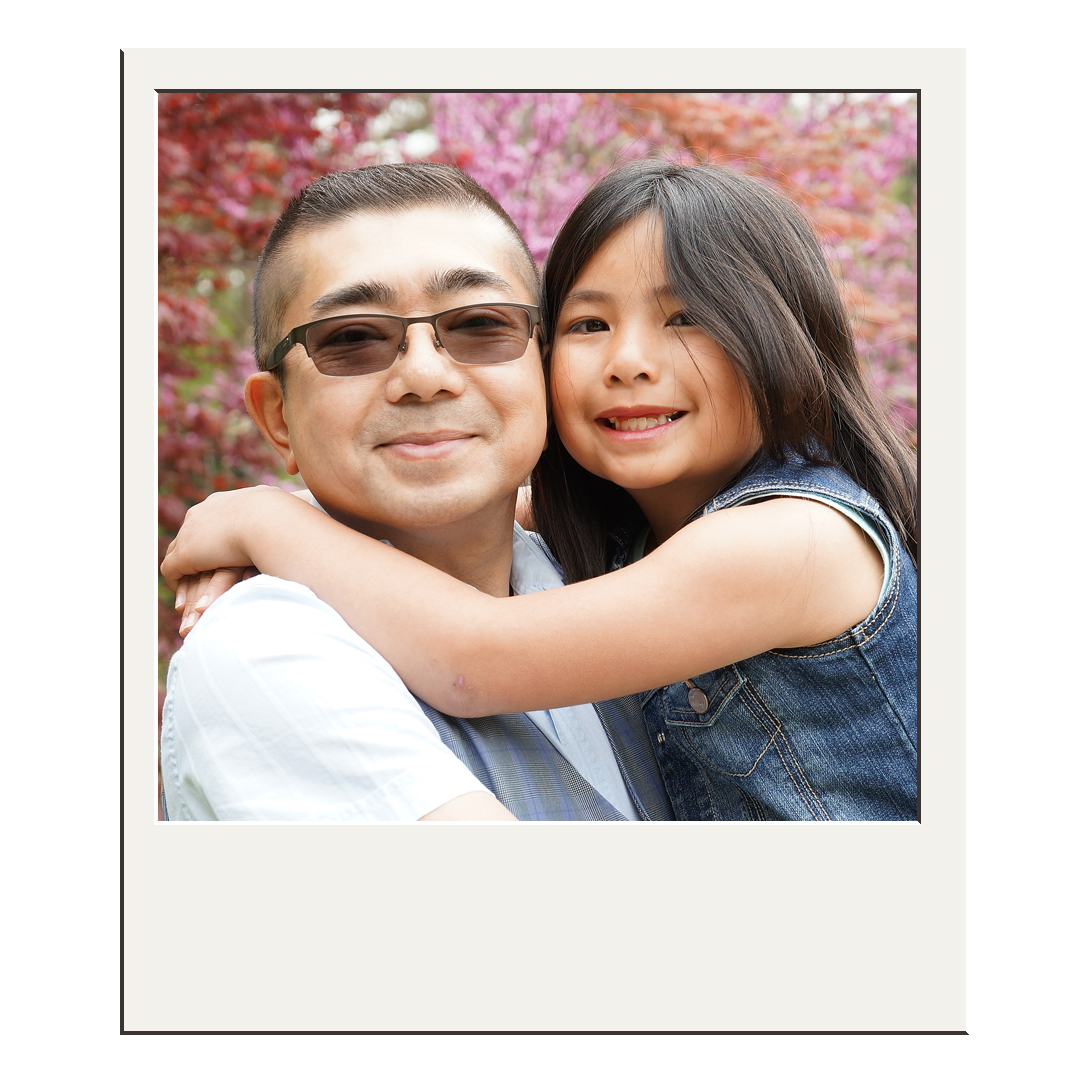 On Good Friday, April 3, 2015, my prayer was answered.
Just minutes before our church service began, my wife’s phone rang - it was Toronto General Hospital. A kidney was available. My own phone had already been turned off, but my wife, who was listed as a secondary contact, had left hers on.
We left immediately, leaving our daughters in the care of my mother-in-law, who “just happened” to be at church that day - something that felt divinely arranged. As we walked out, my pastor saw us leave and later gathered to pray for me.
By 10:30 a.m., I was at the hospital undergoing pre-operation testing to confirm I was a match. Those hours of waiting for the test results were filled with prayer, reflection, and gratitude - not only to God but also to the donor and their family for the extraordinary gift of life.
The symbolism of receiving this kidney on Good Friday, the day Christians remember Jesus’ sacrifice, was not lost on me. It felt as though God had orchestrated every detail.
Surgery and Recovery
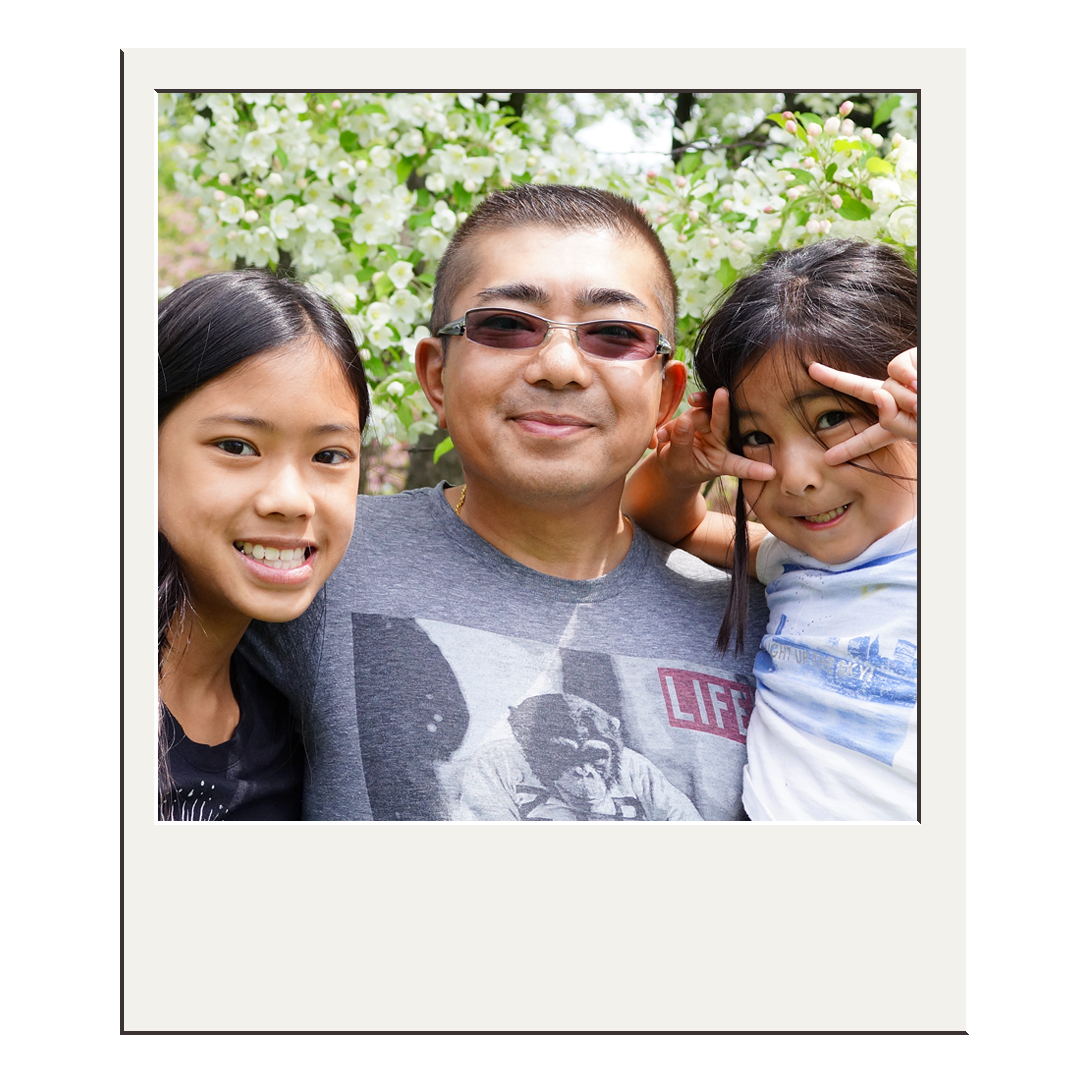 At around 2:30 p.m., I was wheeled into the operating room. I remember the anesthesia mask being placed over my face, and then everything went dark. When I woke up in the recovery room around 8:00 p.m., I was told the surgery had gone well. My new kidney began working immediately.
The first few days of recovery were rough and painful. Bloodwork was done twice a day to monitor kidney function and check for rejection. Before surgery, my creatinine level had been 1600; by the second day, it had dropped to 800. By the time I was discharged, my levels were within a normal range.
Adjusting to the many new transplant medications was overwhelming at first. I attended classes in the hospital to learn about each one and how to take them properly. Despite the physical pain, the weakness, and the adjustment, I was deeply thankful.
My wife was my rock throughout recovery. She stayed by my side every day, from noon to 8:00 p.m., and her presence made everything more bearable. After one week in the hospital, I was discharged. The first few weeks at home were difficult, especially with frequent follow-up appointments and lingering bloating and swelling in the lower half of my body, but gradually, I regained my strength. After three months, I had made a full recovery.
Life After Transplant
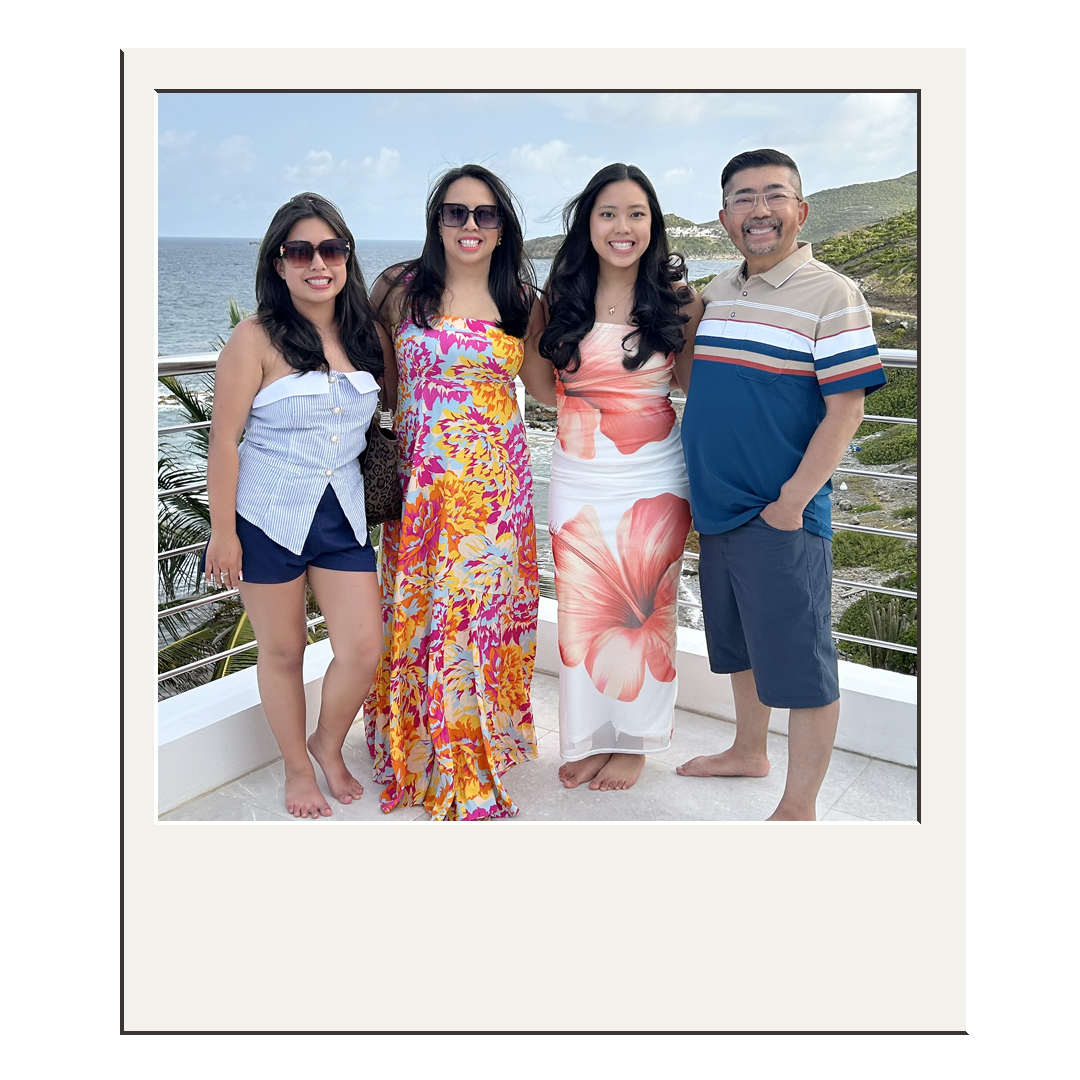 A year after my transplant, my wife encouraged me to retire and become a stay-at-home father. At first, I hesitated, but it turned out to be one of the greatest blessings of my life. Spending those years with my daughters - sharing everyday moments and milestones - gave me memories I will cherish forever.
Now, in 2025, I celebrate 10 years with my transplant kidney, a milestone for a kidney transplant patient. While I know that transplanted kidneys typically last 5 to 20 years, I remain hopeful and grateful. My kidney function is stable, and each day feels like a gift.
In 2024, both of my daughters were diagnosed with PKD - a painful reality for our family. Yet, I remain optimistic. With the medical knowledge, resources, and lifestyle guidance available today, I believe they can live long and healthy lives. I will guide them with the lessons I’ve learned, so they may avoid the mistakes I once made.
Gratitude and Hope
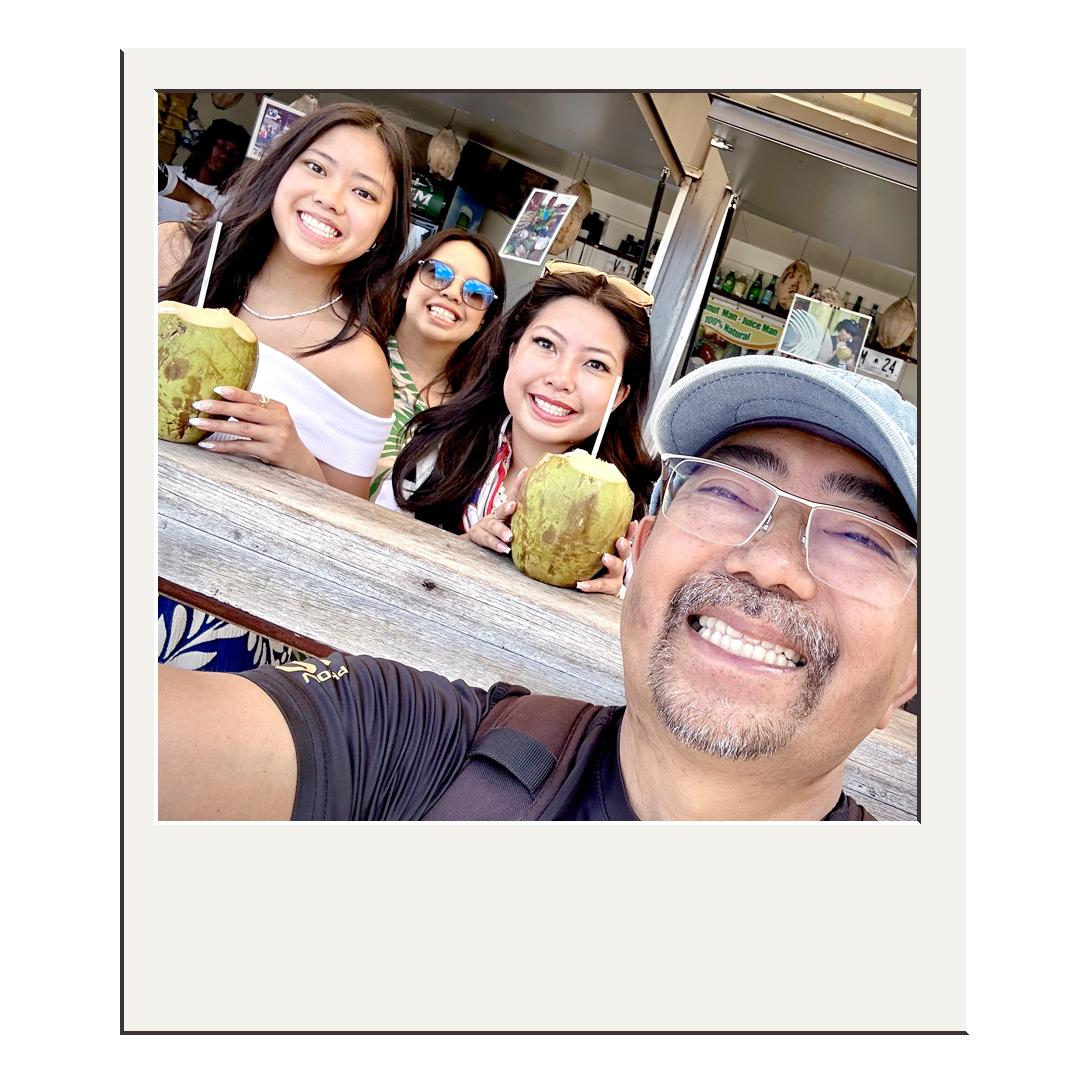 My journey has been filled with challenges, but also with grace, resilience, and faith. I am forever grateful - to God, to my donor and their family, to my wife and children, and to the medical professionals who walked this road with me.
To those still waiting for a transplant: hold on to hope. Trust in the process, lean on your faith, and know that you are not alone.
With gratitude and blessings,
Phouvieng Sackda
More
Watch a video of Phouv talking about his PKD experience.