Eating Well with PKD When Life Gets Busy | Kidney Nutrition
Living with PKD means paying attention to what you eat, but it doesn’t have to mean spending hours in the kitchen or cooking different meals for your family. When life gets busy - and it often does - it helps to have simple, flexible food strategies that protect your kidneys without adding stress. Here are some ideas you can use on even your busiest days.
Go-To Foods for Busy Days
When you’re short on time, it helps to keep smart staples on hand. Stock up on these quick, kidney-friendly options:
- Whole-grains: oatmeal, brown rice, quinoa, couscous. Cook ahead and freeze in portions. These are quick to defrost for fast meals.
- Vegetables and fruit: green beans, peas, broccoli, cauliflower, mixed vegetables, leafy greens, bell peppers, cucumber, berries (blueberries, strawberries or raspberries), pineapple, apples, clementines. Fresh or frozen both work.
- Lean proteins: low-sodium canned beans (chickpeas, lentils, black beans), plain tofu or tempeh, eggs, salmon, tuna, trout.

Mix and match the following for easy bowls, wraps, salads, or stir-fries. Customize based on what you have in your fridge or freezer. Examples:
- Oatmeal + berries + nut butter = breakfast
- Egg + veggie scramble + whole-grain tortilla = breakfast
- Rice + beans + vegetables = lunch
- Whole-grain wrap + hummus + greens or vegetables = lunch
- Tofu stir-fry + frozen vegetables + brown rice + low-sodium sauce = dinner
- Tuna + greens and vegetables + couscous = dinner
If you prep ahead, label containers with the date to keep food safe and reduce waste.
Making Prepared Foods More Kidney-Friendly
Sometimes, prepared foods are the only option. Here’s how to make them work better for your kidneys:
1. Rinse and Drain Canned Foods
- Choose "no added salt" canned products. If "no added salt" is not available and you're using canned beans, vegetables, or other items, rinse them thoroughly under cold water. This can remove around 30% of the sodium.
2. Dilute Sauces and Soups
- Read food labels for sauces and soups, then manage the portion size to keep your sodium in check.
- If sauces or soups are already mixed together, use a small portion, and dilute with water to reduce sodium concentration.
3. Add Fresh or Frozen Vegetables
- Boost portion sizes and nutrients like fibre by adding fresh or frozen vegetables to prepared meals like pasta, rice bowls, or stir-fries.
4. Swap or Omit High-Sodium Ingredients
- Remove or reduce the amount of salty add-ons like processed cheese, bacon bits, soy sauce, or pre-seasoned toppings.
- Use low-sodium alternatives instead, like fresh vegetables or low-sodium sauces. Remember to read food labels to determine how much sodium is in a serving.
5. Use Acidic Ingredients to Enhance Flavour
- Replace some of the salt with lemon juice, lime juice, or vinegar to brighten flavours and make dishes taste fresh.
6. Control Portion Sizes
- Instead of eating a large portion of a high-sodium prepared meal, eat smaller amounts, and add bulk with low-sodium sides like steamed veggies, salads, or unsalted grains.
- Pair a higher sodium item (like a frozen pizza) with a low-sodium side dish like a garden salad or steamed vegetables, to balance your meal.
7. Choose Plain Protein Options
- If you buy pre-cooked meats or seafood, look for ones labeled “no salt added” or “low sodium”. Reading food labels can help manage sodium with these products.
8. Make Your Own Sauces and Dressings
- Use prepared foods as a base, but whip up your own kidney-friendly dressings or sauces with olive oil, lemon, fresh herbs, and garlic to replace store-bought, high-sodium options.
Prepared foods can still fit - just think of them as a base you can build on.
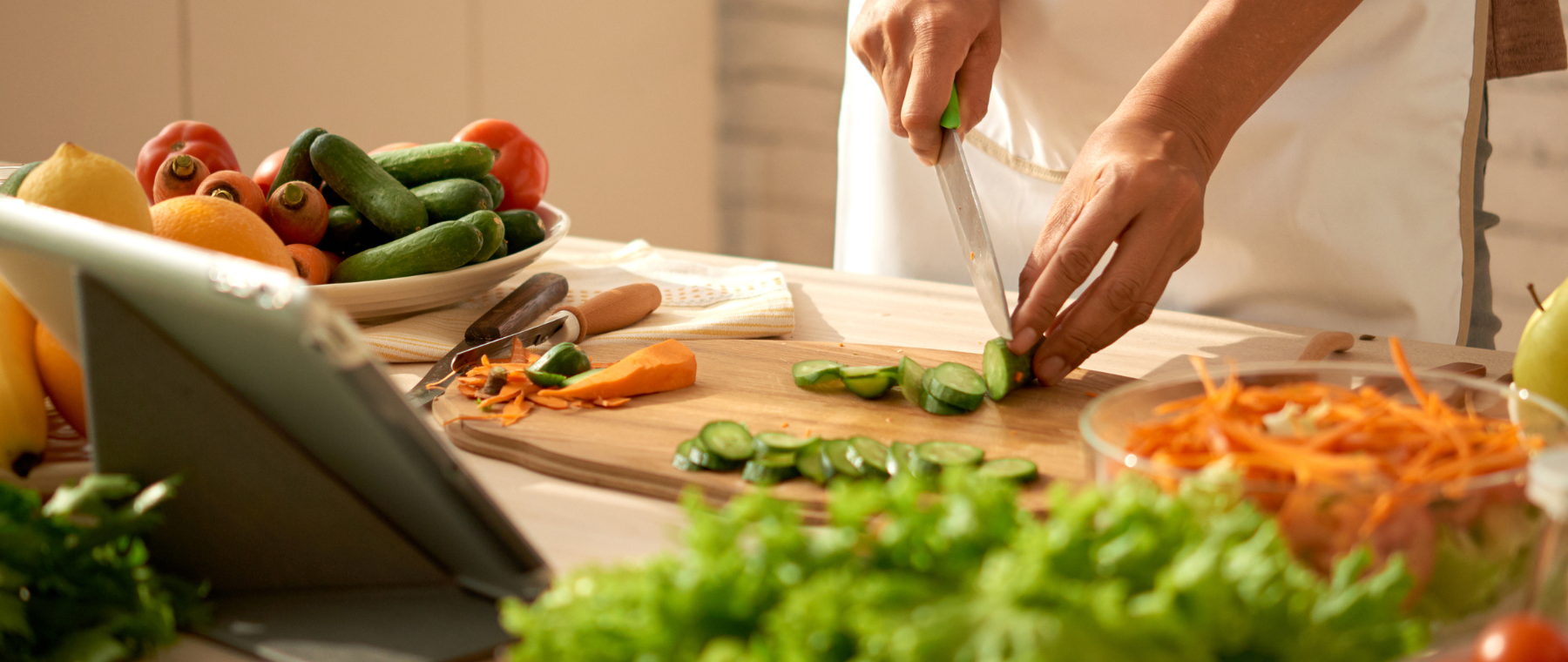
Meal Planning Strategies
Cooking for One
Eating well for one person with PKD can feel tricky. There are a lot of things to balance: nutrition, portion control, variety. You don’t want to feel like you’re eating the same thing every day. Here are ways to make it easier:
- Batch Cook and Portion Out: Prepare larger batches of kidney-friendly staples (like brown rice, quinoa, marinated tofu, cooked chicken or roasted veggies). Portion them into single-serving containers and freeze or refrigerate for easy grab-and-go meals. This saves time, and prevents overcooking each day.
- Use Small Appliances: Invest in small kitchen tools like an air fryer, toaster oven, or Instant Pot. These are perfect for small portions, quicker cooking, and less cleanup.
- Cook Versatile “Base” Ingredients: Keep simple staples on hand that you can mix and match. Combine these in different ways with herbs, lemon juice, or low-sodium sauces to keep meals interesting.
- Use Pre-Portioned Ingredients: Buy pre-washed and pre-cut veggies to save prep time. Look for single-serve containers of yogurt, hummus, or snacks like nuts that fit your nutrition needs.
- Make Simple One-Pot or One-Pan Meal: Try sheet-pan dinners, stir-fries, or slow cooker meals designed for one. These cut down on dishes and make portion control easier.
Kidney-Friendly Family Eating Without Cooking Multiple Meals
You don’t need to cook separate meals for individual family members. A little planning can keep everyone happy and healthy, without making you a short-order cook:
1. Build-Your-Own Meal Stations: Set up a “build-your-own” dinner where everyone assembles their plate according to their preferences and dietary needs. You prepare the basics, kidney-friendly style, and family members customize from there.
- Taco Bar: Use low-sodium, lean ground turkey, chicken or beans; plain brown rice or whole grain tortillas; fresh veggies, avocado, and low sodium salsa. You can skip or limit cheese and sour cream, based on your nutrition needs.
- Buddha Bowls: Cook a base of quinoa or brown rice, roast a variety of veggies (zucchini, bell peppers, carrots), add grilled chicken or tofu, and provide dressings/sauces like hummus on the side.
- Pasta Night: Serve whole-wheat pasta with a homemade low-sodium tomato sauce. Let family members add their own cheese, herbs, or protein toppings.
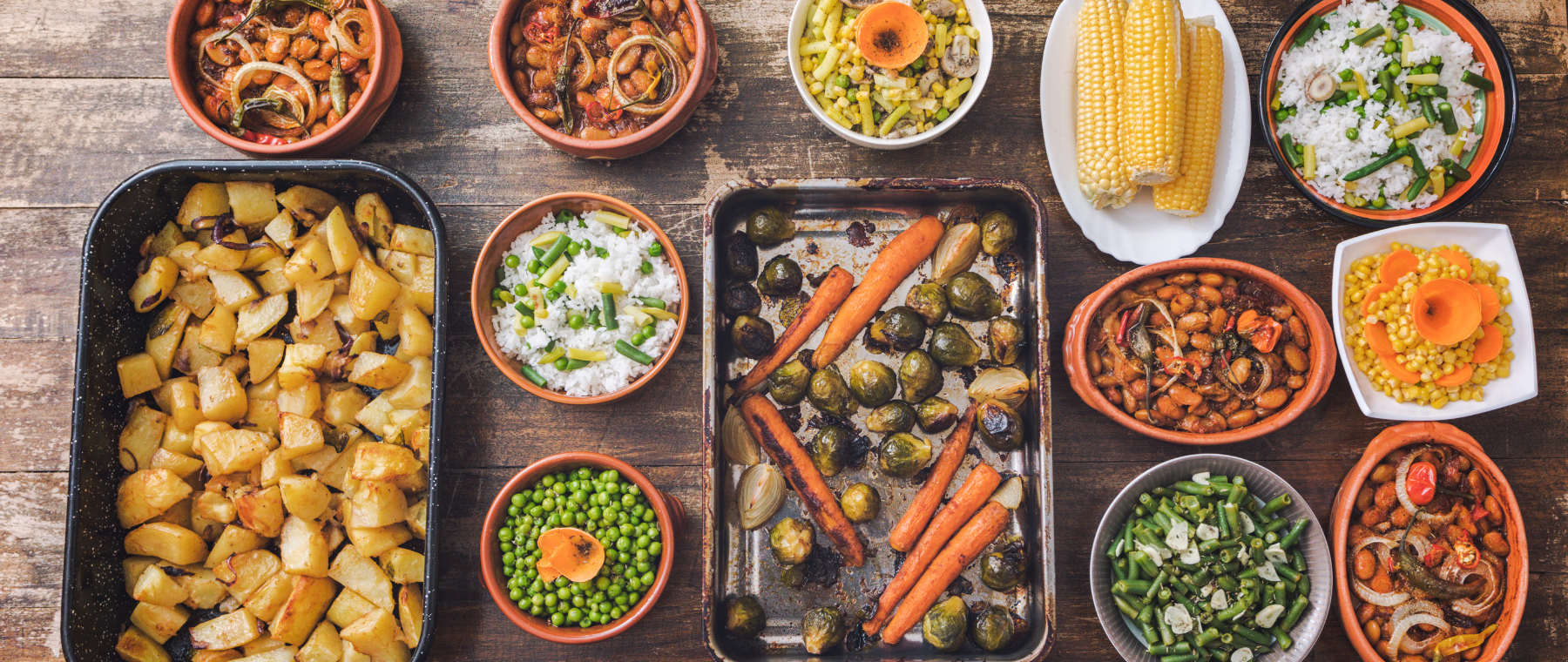
2. One Main Protein, Multiple Sides: Cook one kidney-friendly protein for everyone, then offer a variety of sides so everyone can customize.
- Roast Chicken Breast: Prepare simply with herbs and olive oil - no salt. Serve with family-friendly mashed potatoes, steamed green beans, and a mixed salad. You can season your plate lightly, while the family adds salt or richer sides.
- Grilled Tofu: Cook plain; pair with rice, roasted veggies, and low-sodium dipping sauces. Family members can add their favourite dressings or salty toppings.
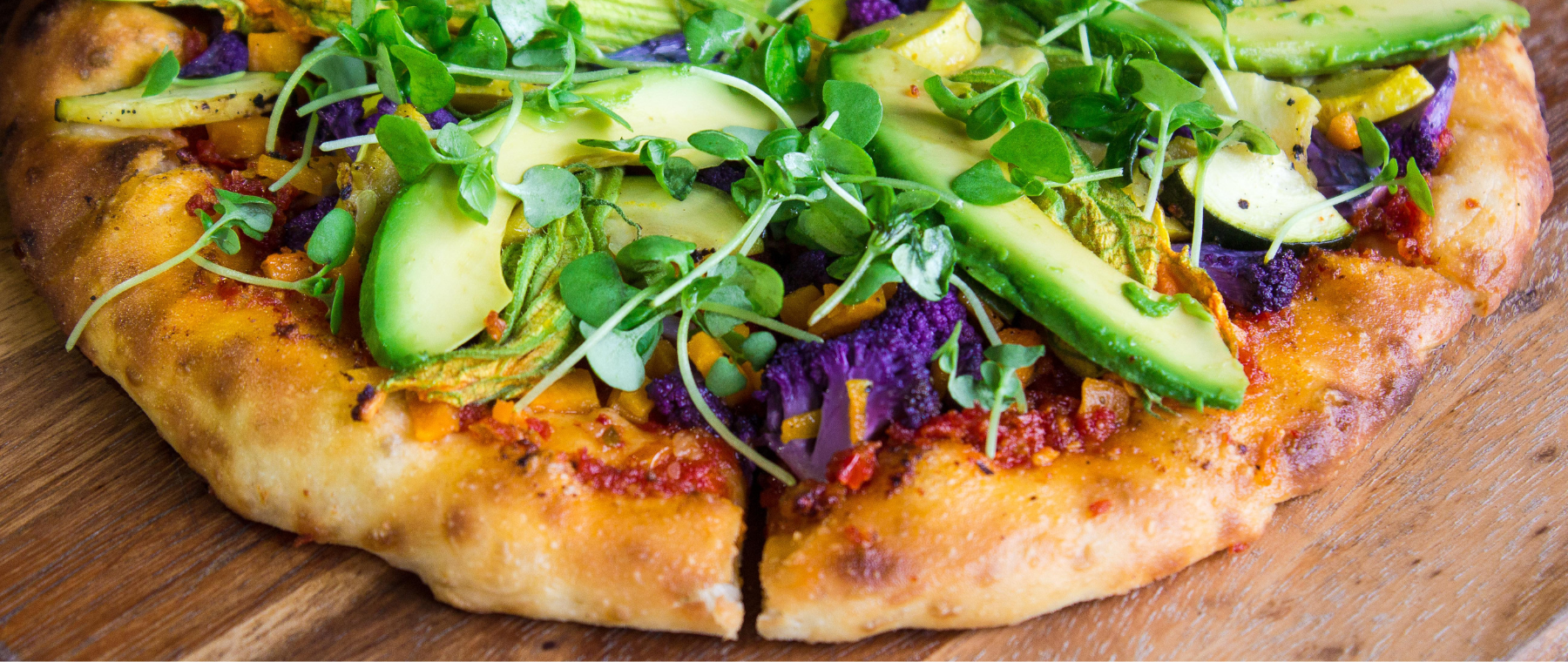
3. Make Meals That Naturally Fit Everyone: Some dishes can be kidney-friendly for you, but tasty enough for the whole family:
- Stir-Fries: Use lots of fresh veggies, lean proteins, and homemade sauces with low sodium. Serve over brown rice or noodles.
- Homemade Pizza: Use a whole-wheat crust; tomato sauce without added salt; and top with veggies. Control cheese amounts.
- Soups and Stews: Make a big pot with low-sodium broth, lots of veggies, and beans or lean meat. Serve with bread or crackers on the side.
Shared meals can be healthy, tasty, and kidney-friendly without compromising individual tastes. Involve your family in cooking - it helps teach about healthy eating and makes mealtime fun.
Eating Well When Life Gets Busy
Having quick, flexible food strategies can help you protect your kidneys even when your schedule is full. Use these tips along with your own nutrition plan to stay on track, even on your busiest days.
About the Author
Emily Campbell, RD CDE MScFN is a Registered Dietitian and Certified Diabetes Educator with a Master’s Degree in Foods and Nutrition. Emily specializes in helping those with kidney disease overcome the confusing world of nutrition to promote health. Emily can be found at kidneynutrition.ca.
More
- Looking for more information about what to eat with PKD? Check out Love Your Kidneys, a PKD cookbook and nutrition guide written especially for people with PKD.
- Watch one of Emily's webinar or PKD Summit recordings on the topic of Nutrition and PKD here, or
- Browse through the rest of Emily's Kidney Nutrition blogs on our website.