Exercise with PKD: Running, Sports, Core Exercise, and More | PKD Lifestyle
After learning about exercise safety and exercise intensity in PKD, many people still have practical questions about specific activities. Is running safe? What about HIIT workouts, pickleball, hockey, yoga, or strength training? Can bending, twisting, or jumping cause cysts to rupture?
The answer often depends on factors such as kidney size, symptoms, blood pressure control, and how your body responds to exercise overall. In this blog, we answer common questions about exercise with PKD and discuss how to safely build toward recommended activity levels over time.
What Types of Exercise Are Appropriate with PKD?

For most individuals living with PKD, light-to-moderate-intensity exercise is considered the safest and most sustainable approach. Activities such as walking, cycling, swimming, yoga, stretching, elliptical training, light resistance training, and low-impact recreational sports are generally well tolerated. The 2021 KDIGO guidelines recommend aiming for 150 minutes of physical activity per week, but this goal should be individualized and built toward gradually over time.
As discussed in blog 1, many people with PKD benefit from using the Rating of Perceived Exertion (RPE) scale rather than relying on heart rate alone. In general:
- Light intensity (RPE 2–3/10): Comfortable conversation is possible.
- Moderate intensity (RPE 4–6/10): Breathing is heavier, but short sentences are still possible.
- Exercise should feel manageable and controlled rather than exhausting.
Is Running Safe?

For many individuals living with PKD, running can still be a safe and enjoyable form of exercise, particularly during the earlier stages of the disease. However, it is important to start gradually and pay attention to how the body responds during and after exercise.
A walk-jog approach is often the safest way to begin. For example, a person might start with two minutes of walking followed by 30 seconds of light jogging, repeating this pattern in intervals. As endurance improves, the jogging intervals can gradually increase as tolerated.
While running, individuals with PKD should still be able to speak in short sentences without feeling completely out of breath. This typically corresponds to about 4–5 on the RPE scale. Some individuals may find it helpful to use a heart rate monitor while running. If the heart rate remains elevated for a prolonged period after exercise, this may be a sign to reduce the intensity or allow for longer recovery periods.
If running causes significant fatigue, dizziness, worsening pain, prolonged shortness of breath, or delayed recovery, the intensity may be too high.
As PKD progresses and the kidneys enlarge, running may also become less comfortable for some individuals, particularly if flank pain, abdominal fullness, or discomfort from impact develops. In these situations, lower-impact activities such as walking, cycling, swimming, or elliptical training may be more appropriate and better tolerated.
Is HIIT Safe?
In general, high-intensity interval training (HIIT) is not recommended for individuals living with PKD. HIIT workouts are specifically designed to push the heart rate into very high ranges through repeated bursts of near-maximal effort.
In PKD, this type of intense exercise may place excessive strain on the cardiovascular system and kidneys. For this reason, many clinicians recommend focusing on consistent light-to-moderate-intensity exercise rather than repeated maximal-intensity efforts.
What About Sports Such as Pickleball or Hockey?
Lower-contact recreational sports such as pickleball, golf, tennis, and badminton are appropriate for many individuals living with PKD, particularly during the earlier stages of the disease and when symptoms are well controlled.
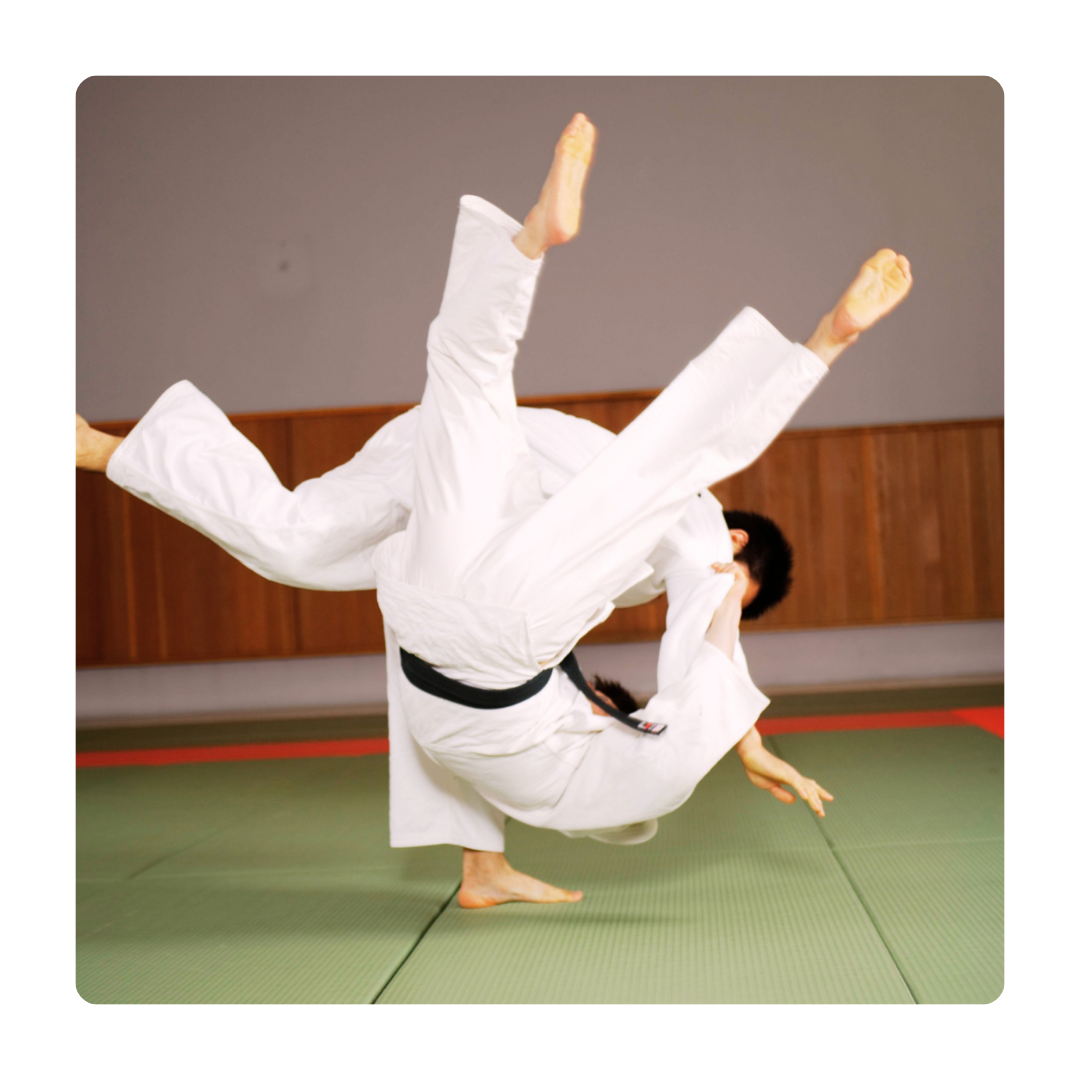
Higher-contact sports such as hockey, football, rugby, boxing, or martial arts carry a greater risk of direct impact to the abdomen or lower back and may not be appropriate for everyone with PKD. Individuals with enlarged kidneys, uncontrolled blood pressure, significant pain, or more advanced disease should discuss participation in higher-impact or contact sports with their physician before taking part.
Can Bending, Twisting, or Jumping Cause a Cyst to Rupture?

This is one of the most common concerns among individuals living with PKD. Fortunately, cyst rupture from normal daily movement is considered relatively uncommon. Simple activities such as bending, twisting, stretching, walking, or light exercise do not typically cause cysts to rupture.
The risk may increase with enlarged kidneys, heavy lifting, or activities involving direct impact to the abdomen.
To remain cautious, many clinicians recommend avoiding heavy lifting unless otherwise cleared by a healthcare provider. Lifting more than 20 pounds may not be advised, particularly for individuals with larger kidneys, pain, or more advanced disease.
Symptoms that may suggest cyst bleeding or rupture include sudden flank pain, blood in the urine, abdominal tenderness, or sudden swelling or fullness. If these symptoms occur, medical attention should be sought promptly.
Is Core Exercise Safe?
Core exercise can still be safe and beneficial for many people living with PKD, although some movements may need to be modified as the kidneys enlarge. Exercises involving aggressive abdominal bracing, deep forward bending, or intense twisting may become uncomfortable and should be approached cautiously.
One simple option is a seated lean-back exercise, which helps strengthen the core while minimizing pressure on the abdomen.
Seated Lean-Back Exercise
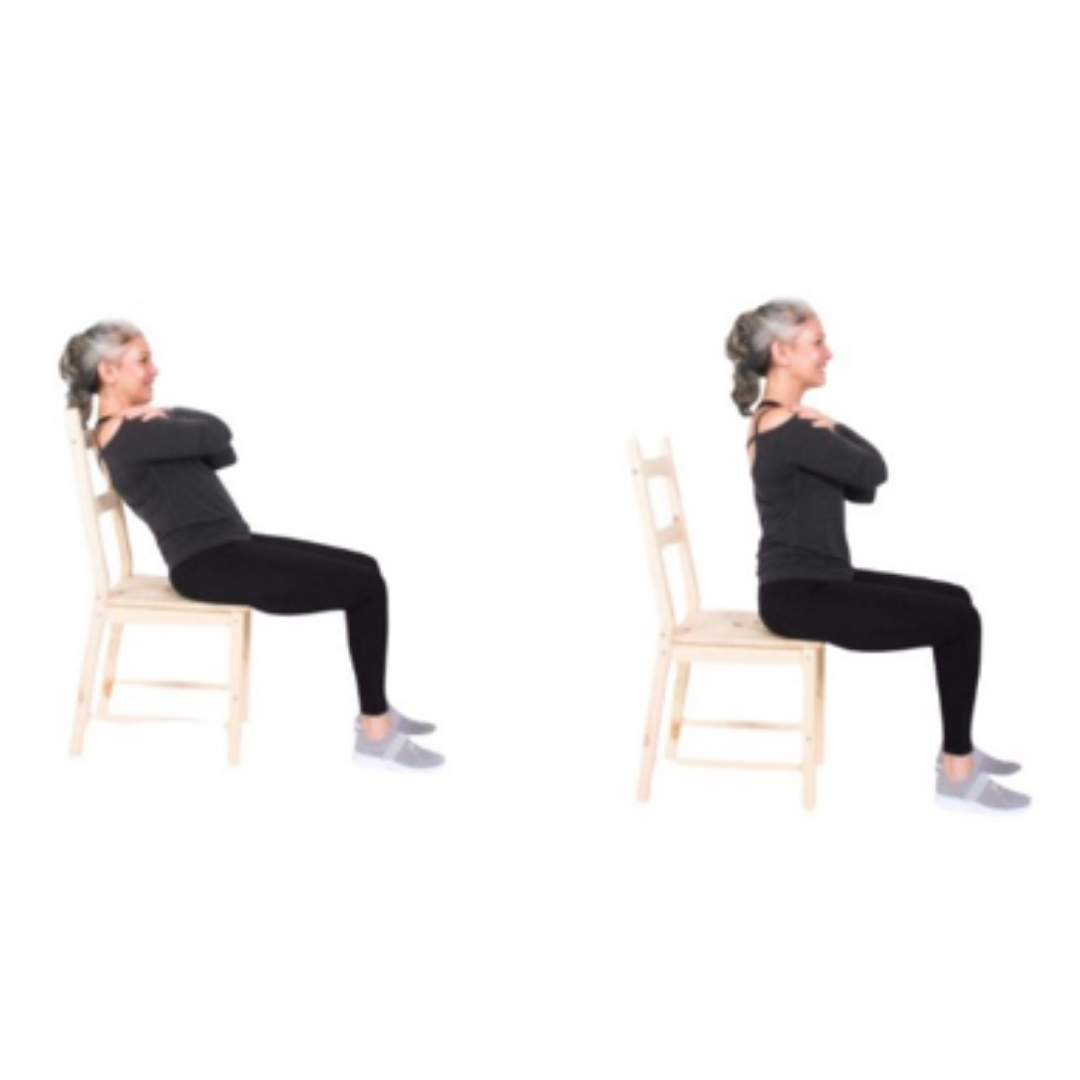
(As shown in the photo to the right)
- Sit near the edge of a chair with a tall, upright spine and your hands resting on your shoulders.
- Slowly lean backward while keeping your spine straight, stopping before your back touches the chair.
- When you feel your abdominal or core muscles gently contract, hold that position.
- Continue breathing normally and hold the position for 10 seconds.
- Return to an upright sitting position and repeat three to five times.
The goal of core exercise with PKD is to build strength safely and gradually. Exercises should feel controlled and manageable, without causing pain, pressure, or excessive strain in the abdomen.
Are Massage and Chiropractic Treatments Safe?
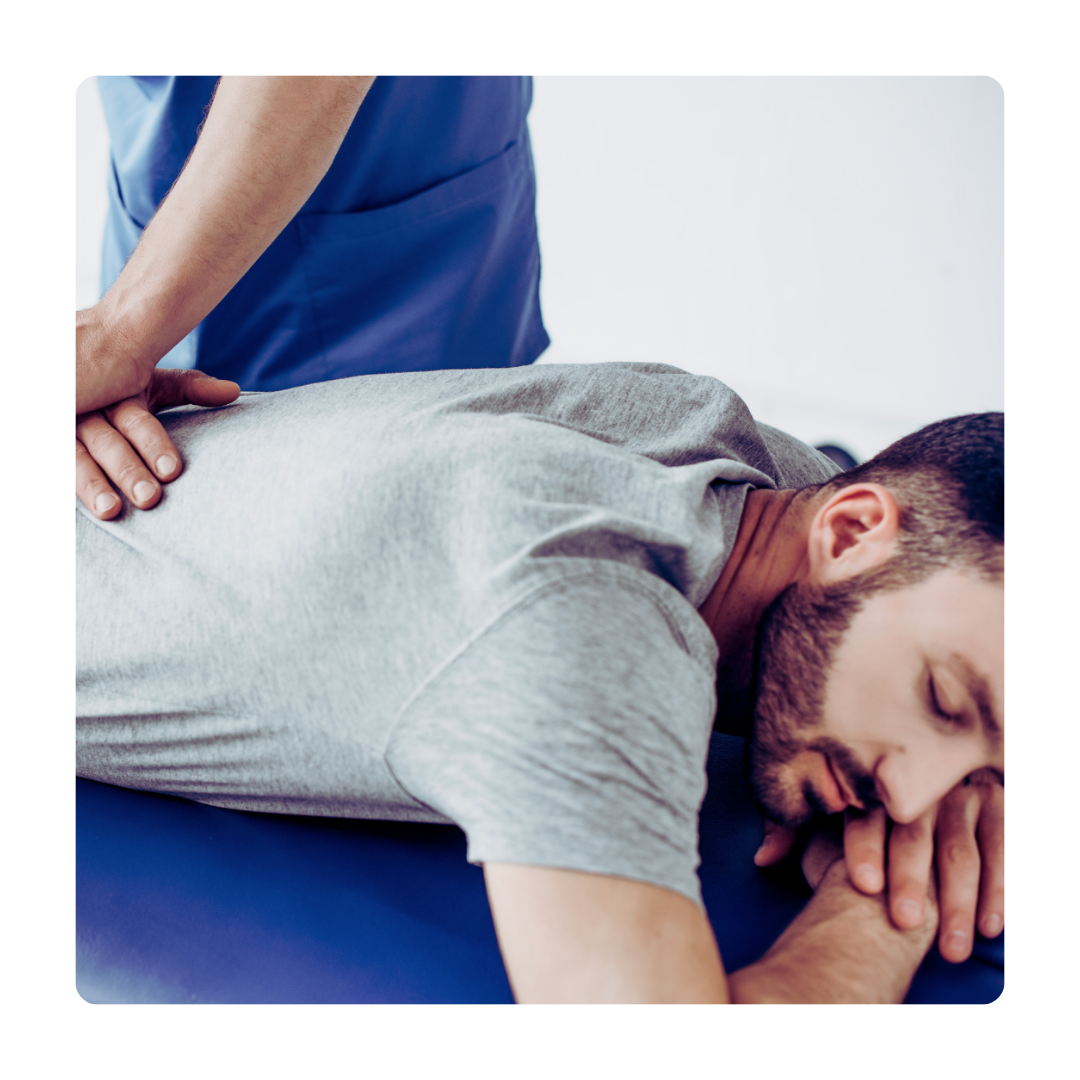
In general, massage therapy is considered safe for people with PKD, especially when the therapist is aware of the diagnosis and avoids excessive direct pressure over enlarged kidneys.
Chiropractic care may also be appropriate in some cases, although aggressive twisting or forceful spinal manipulation should be approached cautiously, particularly for individuals with enlarged kidneys or significant pain. As with exercise, comfort and the way symptoms respond should guide treatment decisions.
How Do You Build Up to Recommended Exercise Levels? Understanding the FITT Principle
Working toward the recommended amount of exercise should be gradual and individualized. You do not need to begin with 150 minutes of exercise per week right away. For many people living with PKD, starting slowly and progressing over time is the safest and most sustainable approach.
One helpful framework is the FITT principle, which stands for:
- Frequency: How often you exercise
- Intensity: How hard the exercise feels
- Time: How long you exercise
- Type: The kind of exercise you choose
The FITT principle can help people with PKD build their exercise routines safely and gradually over time while paying attention to symptoms, recovery, and overall tolerance.
For example, someone who is new to exercise may begin with:
- Frequency: Two days per week
- Intensity: Light intensity (RPE 2–3/10)
- Time: 20 minutes
- Type: Walking
After a few weeks, they can re-evaluate how their body has responded. If the exercise felt manageable and recovery was appropriate, they may decide to progress one area of the FITT principle at a time. For example:
- Increasing from two walks per week to three or four walks per week
- Increasing the walk from light intensity to light-to-moderate intensity
- Increasing the duration slightly
A gradual progression may eventually look like:
- 30 minutes of activity
- Five days per week
- At a light-to-moderate intensity
- Using a combination of walking, cycling, swimming, strength training, pickleball, or other enjoyable activities
The goal is to slowly build toward the KDIGO recommendation of 150 minutes of physical activity per week in a way that feels safe, sustainable, and realistic for your body.
If symptoms worsen, recovery becomes prolonged, or exercise begins to feel overwhelming, it may be helpful to reduce the intensity, shorten the sessions, or progress more slowly. Exercise with PKD is not about “pushing through.” Instead, it is about building a routine that supports long-term health and quality of life.
Final Thoughts
Regular physical activity can play an important role in supporting cardiovascular health, strength, mobility, and overall quality of life for individuals living with PKD. While some activities may need to be modified as PKD progresses, exercise is still safe and beneficial for most people when approached thoughtfully.
The goal is not perfection or maximal performance. It is to build a routine that feels safe, sustainable, and appropriate for your body. Starting slowly, progressing gradually, and choosing enjoyable activities can help support long-term health. Most importantly, any movement is better than none.
About the Author
Katie Bakgaard, BKin, ACSM-CEP, is the Clinical Exercise Physiologist for the Transplant Wellness Program (TWP). With a background in cardiac rehabilitation, Katie specializes in supporting patients with chronic illness through exercise and wellness programming to help them build confidence in movement, stay active, and improve their overall quality of life.
More
- For more PKD-friendly fitness, wellness, movement, and everyday health resources, browse our PKD lifestyle blog.
- Try one of our PKD-friendly workouts on our YouTube channel.
- Watch the Transplant Wellness Team talk about their program, from our 2025 PKD Summit.
- Learn more about the Transplant Wellness Program.
- Watch this video about exercise and PKD, also from our 2025 PKD Summit.
References & Resources
KDIGO Clinical Practice Guideline for the Management of CKD
How to Measure Exercise Intensity: Learning how to use Rate of Perceived Exertion Scale.
- Cheung, A.K.; Chang, T.I.; Cushman, W.C.; Furth, S.L.; Hou, F.F.; Ix, J.H.; Knoll, G.A.; Muntner, P.; Pecoits-Filho, R.; Sarnak, M.J.; et al. KDIGO 2021 Clinical Practice Guideline for the Management of Blood Pressure in Chronic Kidney Disease. Kidney Int. 2021, 99, S1–S87.
- Mustata, S.; Groeneveld, S.; Davidson, W.; Ford, G.; Kiland, K.; Manns, B. Effects of exercise training on physical impairment, arterial stiffness and health-related quality of life in patients with chronic kidney disease: A pilot study. Int. Urol. Nephrol. 2011, 43, 1133–1141.
- Aucella, F. Physical Activity in ADPKD and CKD Patient. G. Di Tec. Nefrol. E Dial. 2015, 27, 204–209.
- Reinecke, N.L.; Cunha, T.M.; Heilberg, I.P.; Higa, E.M.S.; Nishiura, J.L.; Neder, J.A.; Almeida, W.S.; Schor, N. Exercise capacity in polycystic kidney disease. Am. J. Kidney Dis. 2014, 64, 239–246.
- Orscelik, O.; Kocyigit, I.; Baran, O.; Kaya, C.; Dogdu, O.; Zengin, H.; Karadavut, S.; Gedikli, O.; Kut, E.; Duran, M.; et al. Impairment of heart rate recovery index in autosomal-dominant polycystic kidney disease patients without hypertension. Blood Press. 2012, 21, 300–305.
- Provenzano, M.; Andreucci, M.; De Nicola, L.; Garofalo, C.; Battaglia, Y.; Borrelli, S.; Gagliardi, I.; Faga, T.; Michael, A.; Mastroroberto, P.; et al. The Role of Prognostic and Predictive Biomarkers for Assessing Cardiovascular Risk in Chronic Kidney Disease Patients. Biomed. Res. Int. 2020, 2020, 2314128.
- Villanego, F.; Naranjo, J.; Vigara, L.A.; Cazorla, J.M.; Montero, M.E.; García, T.; Torrado, J.; Mazuecos, A. Impact of Physical Exercise in Patients with Chronic Kidney Disease: Systematic Review and Meta-Analysis. Nefrología 2020, 40, 237–252.
- Capelli, I.; Lerario, S.; Aiello, V.; Provenzano, M.; Di Costanzo, R.; Squadrani, A.; Vella, A.; Vicennati, V.; Poli, C.; La Manna, G.; et al. Diet and Physical Activity in Adult Dominant Polycystic Kidney Disease: A Review of the Literature. Nutrients 2023, 15, 2621.