Easy Dinner Ideas for People Living with PKD | Kidney Nutrition
Living with polycystic kidney disease (PKD) can make dinner feel overwhelming, especially after a long day of work or caring for parents or children, when energy is low and meal planning feels like “one more thing” to manage. The good news is that PKD-friendly dinners do not need to be complicated, expensive or time-consuming.
With a few simple strategies, the right kitchen tools, and realistic meal planning habits, you can make dinner easier while still supporting your kidney health.
Current guidelines for PKD emphasize individualized nutrition, reducing sodium intake, and building sustainable lifestyle habits that support long-term kidney health. That is why your nutrition needs may be different from those of someone else with PKD. This helps ensure that your food preferences, cooking skills and access to food are taken into consideration when creating your nutrition plan.
Why Dinner Planning Matters with PKD

Many people with PKD juggle:
- Fatigue
- Busy work or family schedules
- Reduced appetite
- Stress around sodium, potassium, or protein restrictions depending on their stage
- Decision fatigue at the end of the day
Without a plan, it becomes much easier to rely on takeout, restaurant meals, or highly processed convenience foods that are often higher in sodium and saturated fat.
Simple dinner planning can help:
- Reduce sodium intake
- Save money
- Lower stress
- Prevent skipped meals
- Make it easier to follow a kidney-friendly eating pattern consistently
Even planning just 3–4 dinners per week can make a big difference.
Useful Kitchen Appliances for Easier PKD-Friendly Dinners
Kitchen appliances can help reduce prep time, simplify cooking and make homemade meals more realistic on busy days. Let’s take a look at some that may help you save time in the kitchen.
Slow Cooker or Crockpot
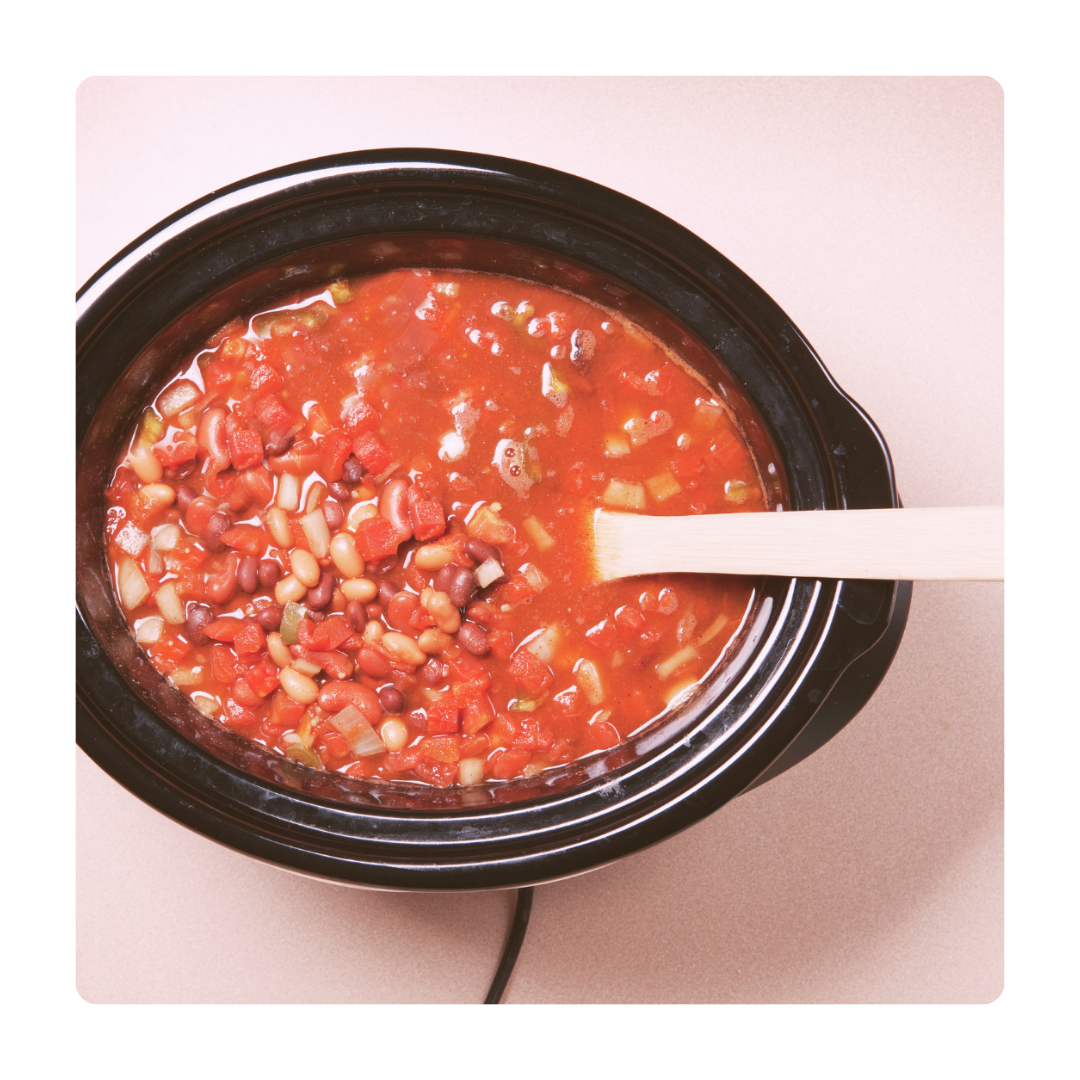
A slow cooker is one of the easiest tools for preparing kidney-friendly meals with minimal effort. Simply put the food in, set the timer, and come back to a delicious meal.
Ideas include:
- Low-sodium soups
- Shredded chicken tacos
- Lentil stews
- Chili made with no-salt-added ingredients
Benefits:
- Minimal hands-on cooking
- Great for batch cooking
- Easy leftovers for lunch the next day
Air Fryer
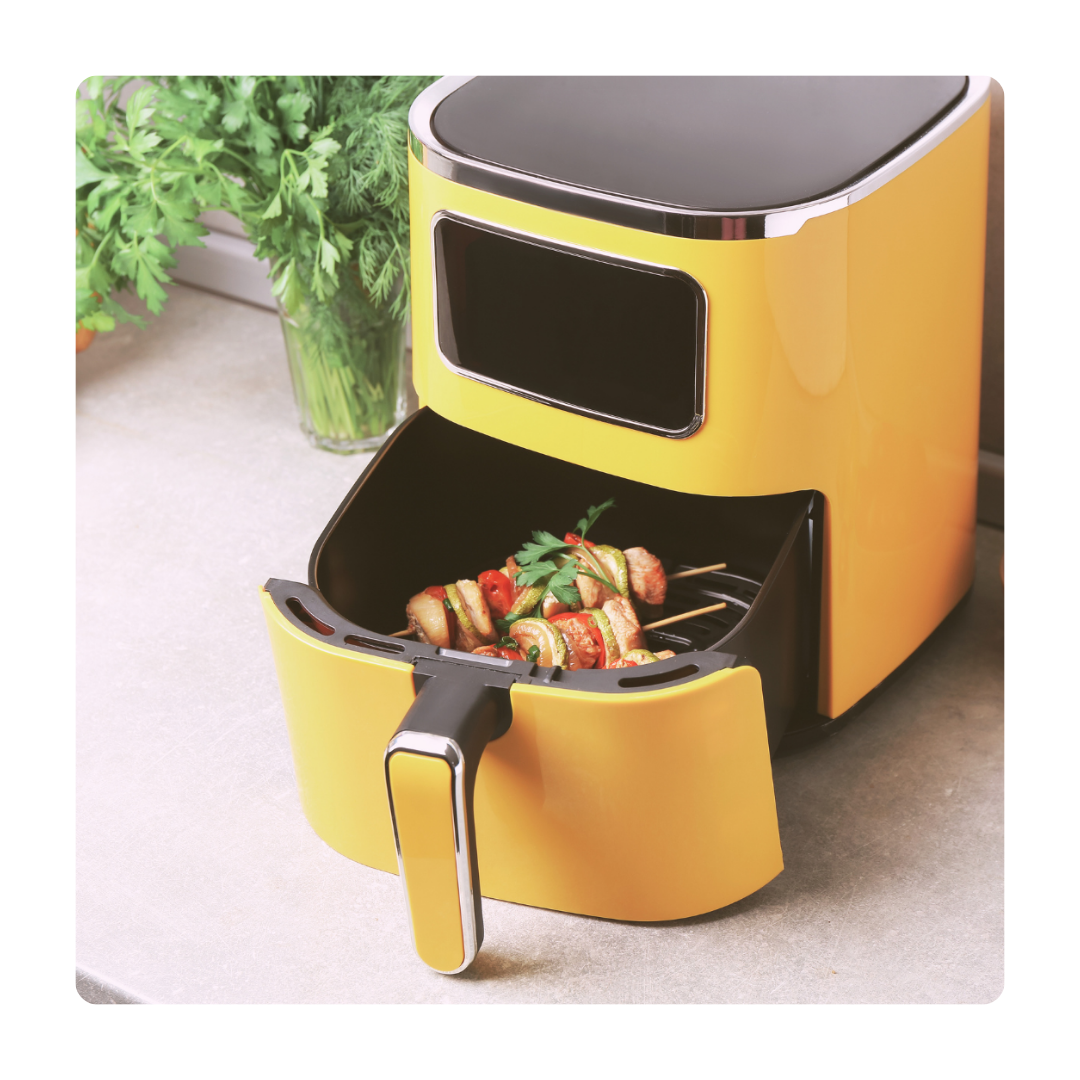
Air fryers cook food quickly while using less oil. An air fryer is essentially a compact, high-powered convection oven.
Great options to cook in a pinch include:
- Salmon
- Tofu
- Black bean meatballs
- Roasted vegetables
When using an air fryer, remember these key things:
- Don't overcrowd the basket because the hot air needs to circulate to make food crispy
- Shake the basket or flip proteins halfway through the cooking time
- Watch how much oil you use. Only a light spritz is needed
- Adjust the time depending on the size of your air fryer
Sheet-Pan Meals in the Oven
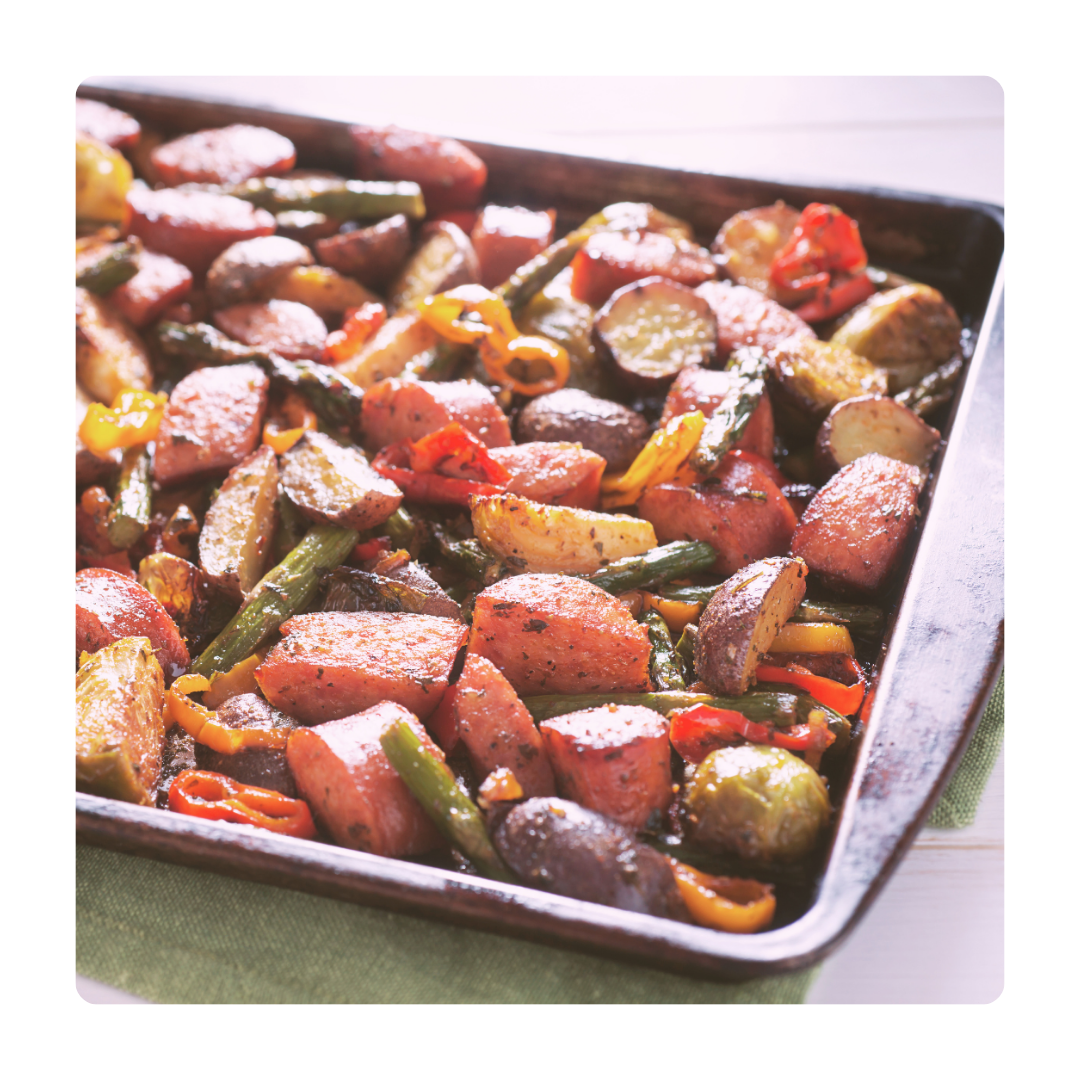
Sometimes the simplest tool is the best one. Sheet-pan dinners are ideal because they:
- Use fewer dishes
- Require less prep
- Cook everything at once
- Make portion planning easier
Try combinations like:
- Chicken with peppers and gnocchi
- Salmon with green beans and potatoes
- Tofu with broccoli and noodles
Rice Cooker or Instant Pot
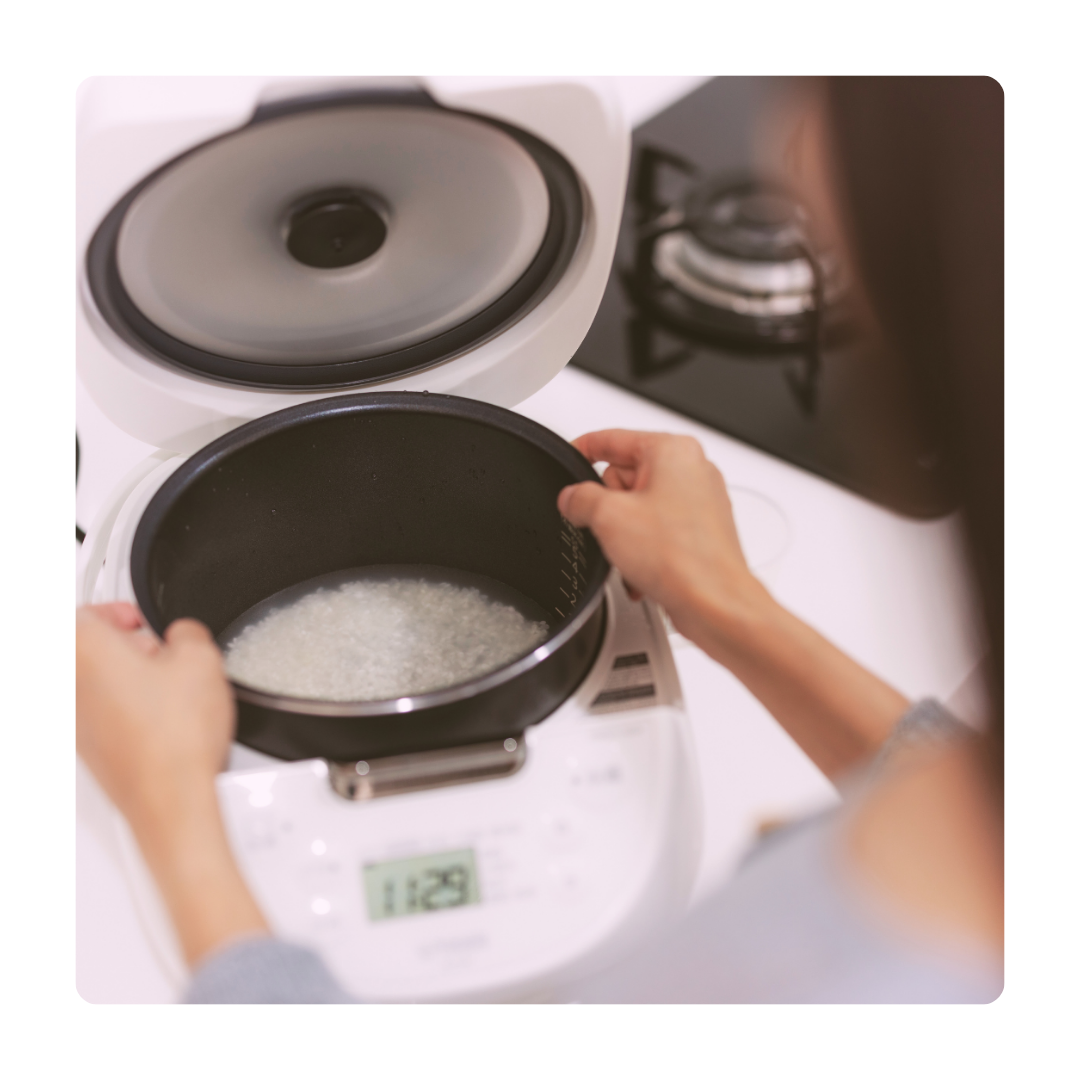
These appliances simplify grains and one-pot meals and can be helpful for cooking:
- Rice
- Quinoa
- Pasta dishes
- Soups
- Stews
- Hard-boiled eggs
Many people with PKD find one-pot cooking easier to manage during busy weeks.
Time-Saving Dinner Strategies
1. Build Simple “Template” Meals
Instead of searching for a new recipe every night, use a basic formula: protein + vegetable + grain/starch + flavour.
Try these examples when you plan your next meals:
- Chicken + green beans + rice + garlic herb seasoning
- Tofu + stir-fry vegetables + noodles + ginger sauce
- Salmon + cabbage slaw + potatoes + lemon dill
This reduces decision fatigue and grocery shopping stress.
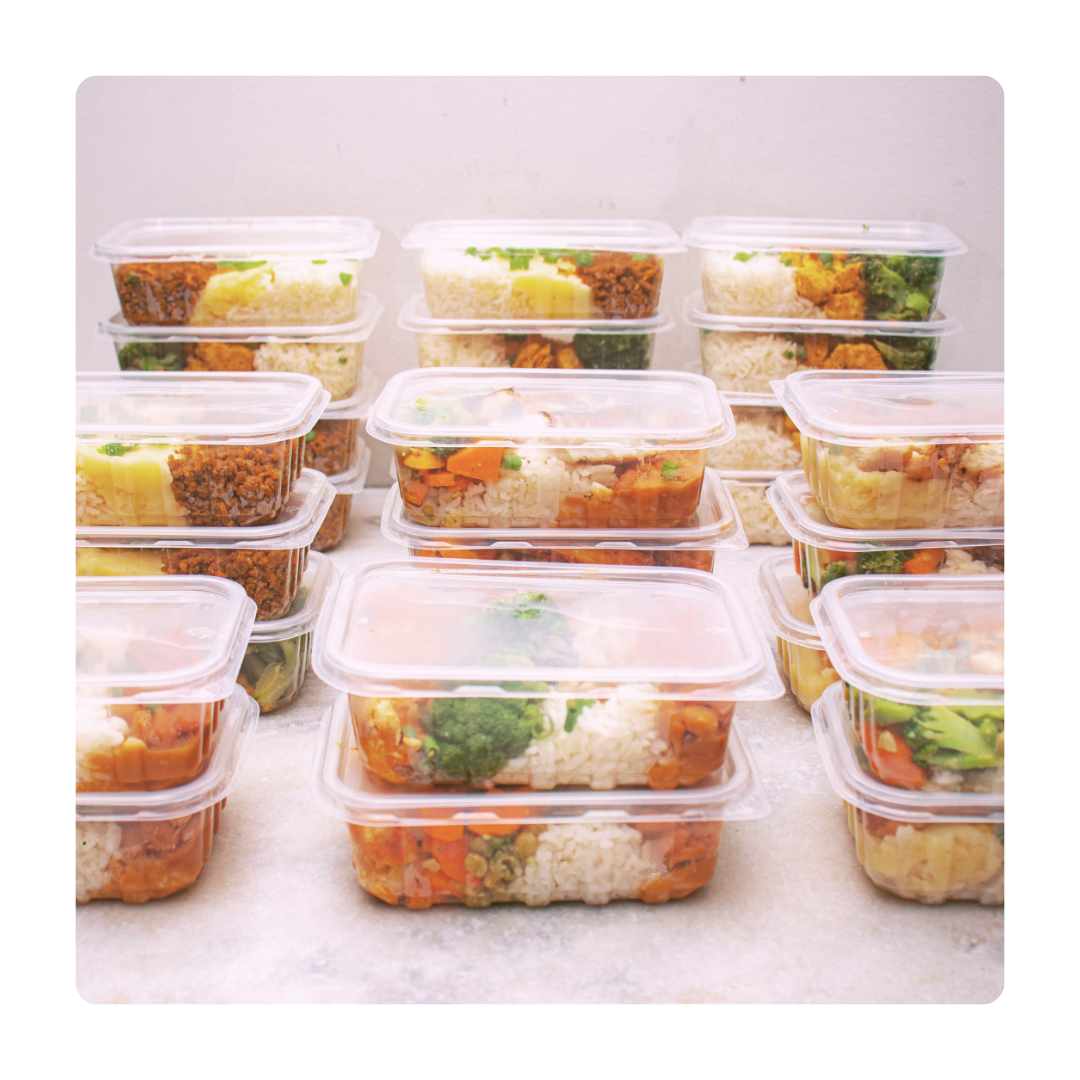
2. Cook Once, Eat Twice
Double recipes intentionally. Extra portions can become:
- Lunches
- A freezer meal for a busy day
- Another dinner later in the week
Meal prep strategies like batch cooking and preparing ingredients ahead of time can reduce reliance on restaurant meals and help support sodium management.
3. Keep Convenience Foods on Hand
Convenience foods can absolutely fit into a kidney-friendly meal plan.
Helpful options may include:
- Frozen vegetables
- Microwave rice
- No-salt-added canned beans
- Pre-washed salad kits
The goal is not perfection. It is making dinner achievable.
Below is a practical list of balanced dinners you can mix and match. These examples come from recipes on the endPKD.ca website and offer easy, kidney-friendly options that you and your family will enjoy. Adjust portions to match your lab results and appetite. To search for other kidney-friendly dinner ideas, see the seven-day meal planner in Love Your Kidneys: Planning PKD-Friendly Meals, or the recipe index on MyPKD.ca.
| Monday | Tuesday | Wednesday | Thursday | Friday | Saturday | Sunday |
|---|---|---|---|---|---|---|
| Chickpea Enchiladas | Breakfast for dinner: whole-grain bread, scrambled tofu with peppers, mushrooms, onion and spinach, and a slice of avocado. | Stir-fry with edamame, vegetables and homemade sauce. Pack in the fibre with plant-based protein, edamame and vegetables such as broccoli, snap peas, bell peppers and mushrooms, served with whole-grain soba noodles. |
Tofu Fried Rice | Taco bowl with brown rice, black beans, lettuce, pepper, avocado and salsa. | Sheet-pan dinner with salmon, green beans and potatoes. | Peanut Soba Noodle Tofu Bowl |
Tips for Planning Dinner Meals with PKD
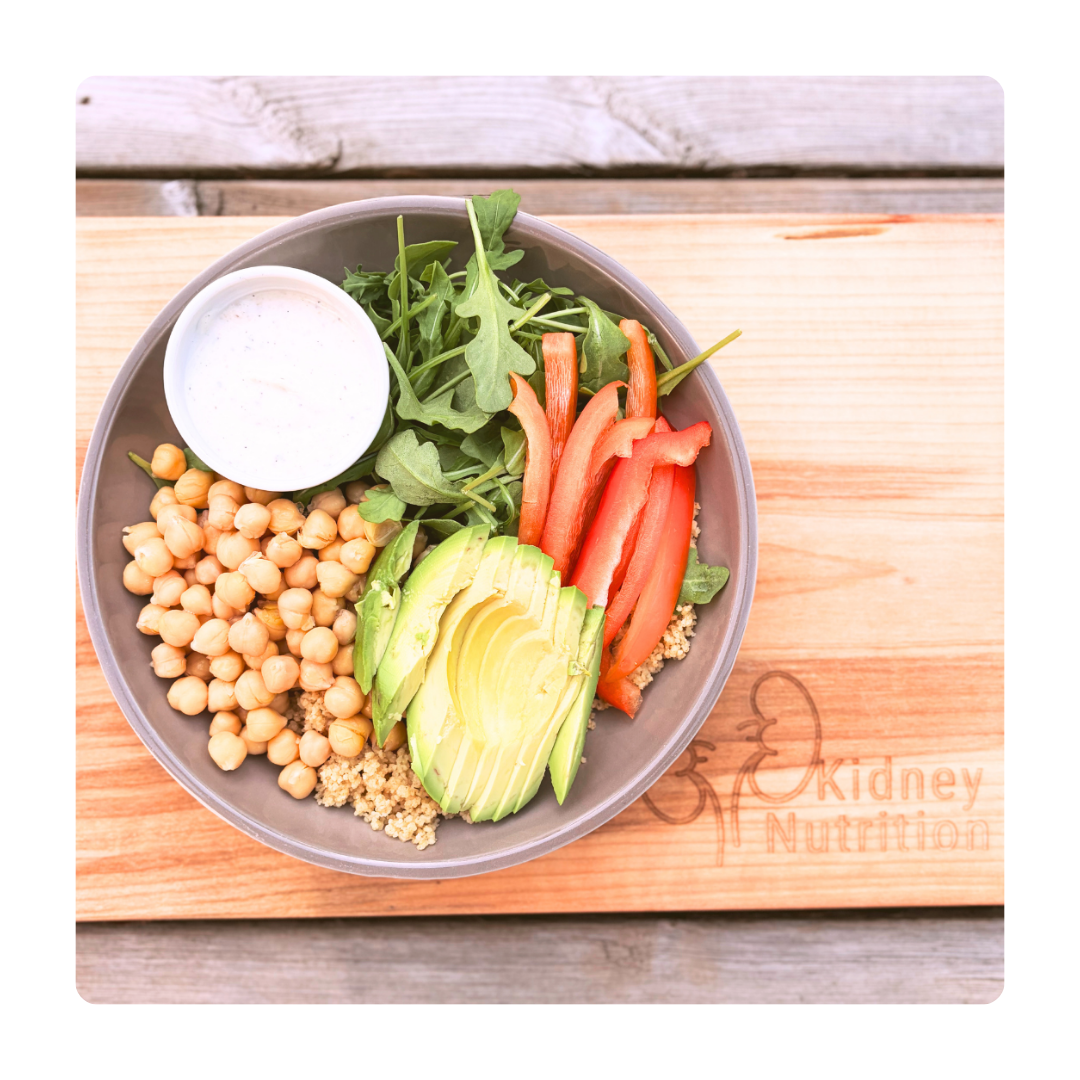
1. Start Small. You do not need a perfectly organized meal plan. Start with:
- Planning 3–4 dinners
- Choosing repeat meals you already enjoy
- Keeping backup freezer meals available
2. Check Labels for Sodium. Packaged and convenience foods can vary widely in sodium content. Compare labels and aim for:
- Lower-sodium products when possible
- Fewer processed ingredients
- Minimal added salt
3. Keep a List of Easy Meals. Create a running list of:
- 10 easy dinners your household enjoys
- Meals that fit your kidney nutrition goals
- Meals that take less than 30 minutes
This makes weekly planning much easier.
What Is the Best Dinner for PKD?
There is no single perfect PKD dinner plan. The most sustainable dinner routine is usually one that is:
- Flexible
- Simple
- Enjoyable
- Affordable
- Easy to repeat consistently
Meal planning is a tool that helps you map out meals for a set period while meeting your nutrition needs. Starting with dinner planning can help you prepare healthy meals to manage your PKD, save time and frustration in the kitchen, and save money on food.
Next time you are craving a bowl, try this kidney-friendly chickpea burger bowl as a DIY fast-food swap. It keeps the comfort of a burger bowl but uses lower-sodium and plant-based ingredients.
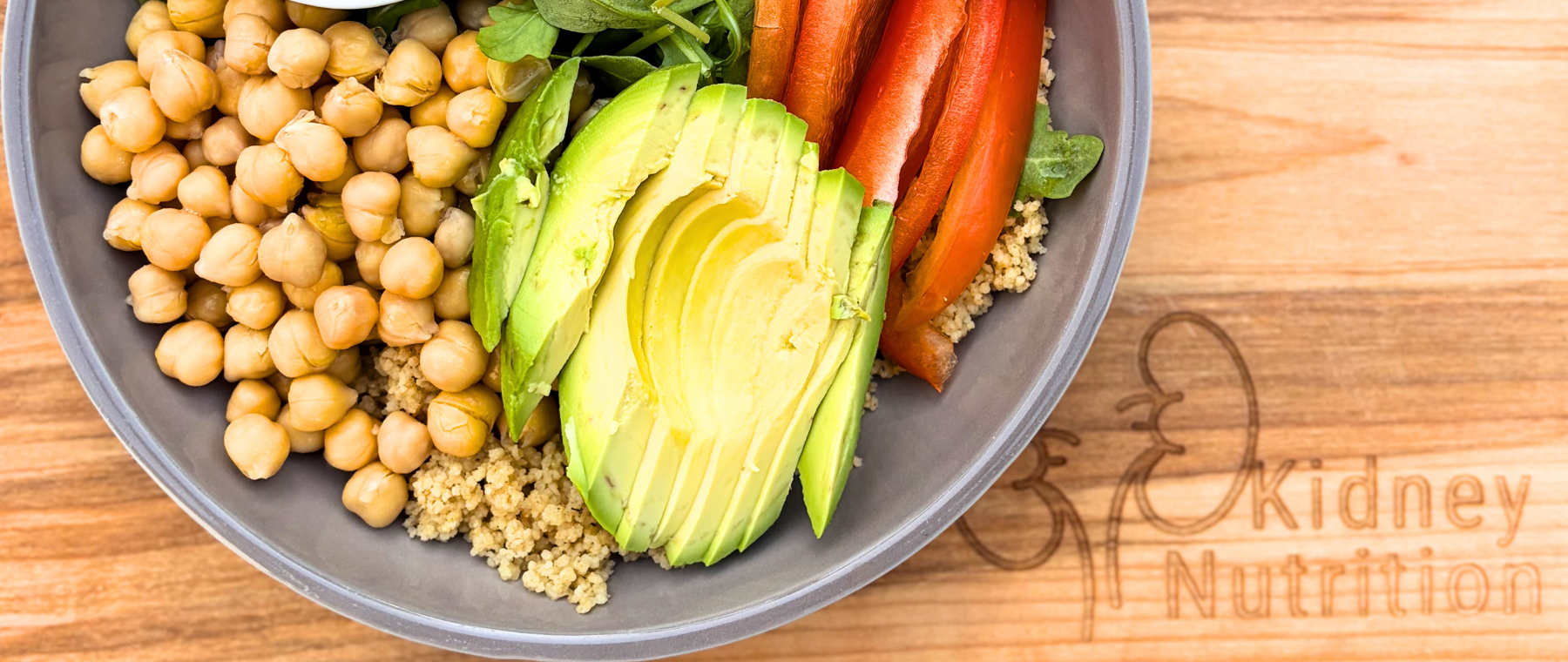
Chickpea burger bowl
Servings: 2
Ingredients
- ½ cup dry couscous
- 1 can no-added-salt chickpeas
- 2 cups arugula
- ½ medium bell pepper, sliced
- 1 small avocado
- ¼ cup plain 2% M.F. yogurt
- 1 tbsp lemon juice
- ½ tsp black pepper
- ½ tsp garlic powder
Instructions
- Prepare couscous as directed on the package. Set aside to cool.
- In each bowl, add cooled couscous and top with half of the chickpeas, arugula, bell pepper, and avocado.
- Combine yogurt, lemon juice, black pepper and garlic powder and blend well to make lemon dressing.
- Drizzle lemon dressing on top of the other bowl contents before enjoying.
Nutrition facts per serving: 450 calories, 11.8 g fat, 2.2 g saturated fat, 96 mg sodium, 73 g carbohydrates, 17 g fibre, 20 g protein, 796 mg potassium, 156 mg phosphorus
About the Author
Emily Campbell, RD, CDE, MScFN, is a Registered Dietitian and Certified Diabetes Educator with a master’s degree in foods and nutrition. Emily specializes in helping people with kidney disease navigate the often confusing world of nutrition to support better health. Emily can be found at kidneynutrition.ca.
More
- Looking for more information about what to eat with PKD? Check out Love Your Kidneys, a PKD cookbook and nutrition guide written especially for people with PKD, and Love Your Kidneys II, which includes meal planning and shopping tips for kidney-friendly meals.
- Watch one of Emily's webinar or PKD Summit recordings on the topic of Nutrition and PKD here.
- Browse through the rest of Emily's Kidney Nutrition blogs on our website.
- Find an index to all of Emily's blogs on My PKD. Not a member yet? Sign up here.