Smart Strategies for Eating Out with PKD
 Eating out at restaurants or grabbing fast food can be a fun and convenient part of life - but when you’re living with PKD, it’s important to approach dining out with a plan.
While cooking at home gives you the most control over your sodium, protein, potassium and phosphorus intake, eating out can still fit into a kidney-friendly lifestyle - occasionally, and with preparation.
Home-cooked meals give you control over ingredients. Restaurant or fast food items are often high in salt, use processed ingredients which may have phosphorus additives, and large portions or protein. That’s why it’s best to save dining out for special occasions or when you truly need the convenience.
Here are some practical strategies to help you make healthy choices when eating out with PKD.
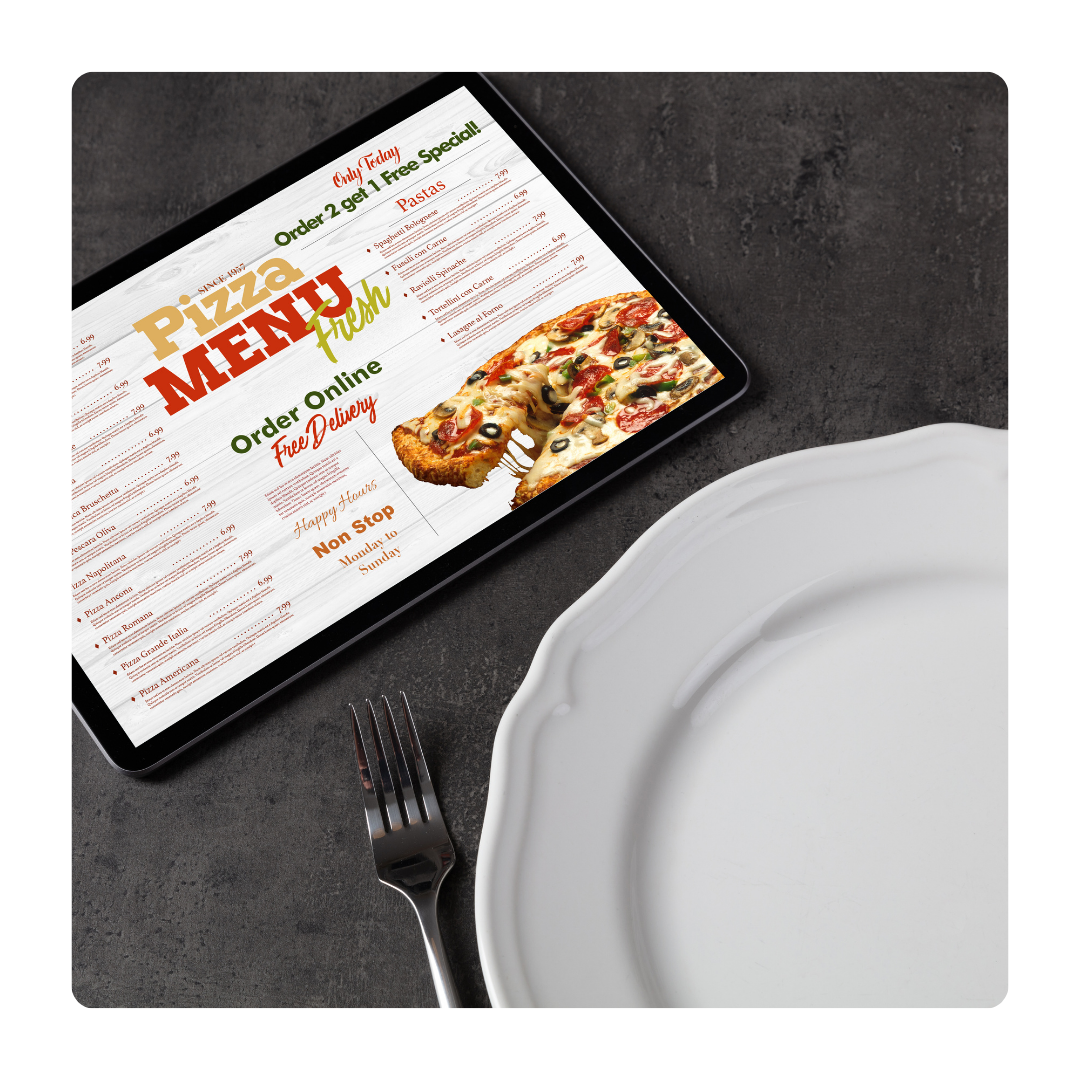
1. Preview the Menu and Nutrition Info Before You Go
Most major restaurants and fast-food chains post their menus and nutrition info online. In Ontario, restaurants with over 20 locations must show this information. Before heading out, take a few minutes to review the menu online, and look for items lower in sodium. Some chains may also share full nutrition facts and ingredient lists, which can help you avoid added phosphorus or high-potassium foods.
What to look for:
- Sodium - Try to stay under 700 mg per meal. Remember, you have a sodium “budget” for the day. Plan your other meals around it to stay on track.
-
Protein - Choose plant-based proteins more often. These are easier on your kidneys and have less available phosphorus. If you want animal protein, go for lean options like chicken, turkey, or fish, and keep the portion around the size of your palm. If nutrition information is available online, use it to modify your portions.

- Phosphorus additives - Look for ingredients with “phos” in the name (like “sodium phosphate”) and avoid them. Sometimes the ingredient or nutrition information may not be available; when this happens, look for foods that typically have high phosphorus in them. These additives are absorbed 100% by the body and are often in processed foods like deli meats or cheese slices. Phosphorus from fresh foods (like meat or dairy) is absorbed less (only 40-60%). Avoiding phosphorus additives is key for people with PKD. For more information about phosphorus bioavailability, check out this blog post.
- Potassium - Not everyone with PKD needs to limit potassium. But if you do, watch for high-potassium foods like tomatoes, potatoes, and bananas. Try switching tomato for red pepper in a salad, or potatoes for rice in a side dish. Asking about the ingredients, and how food is made, can help you choose lower-potassium options.
👉 Planning to eat at someone’s home? Check out this blog post with tips for managing those meals, too.
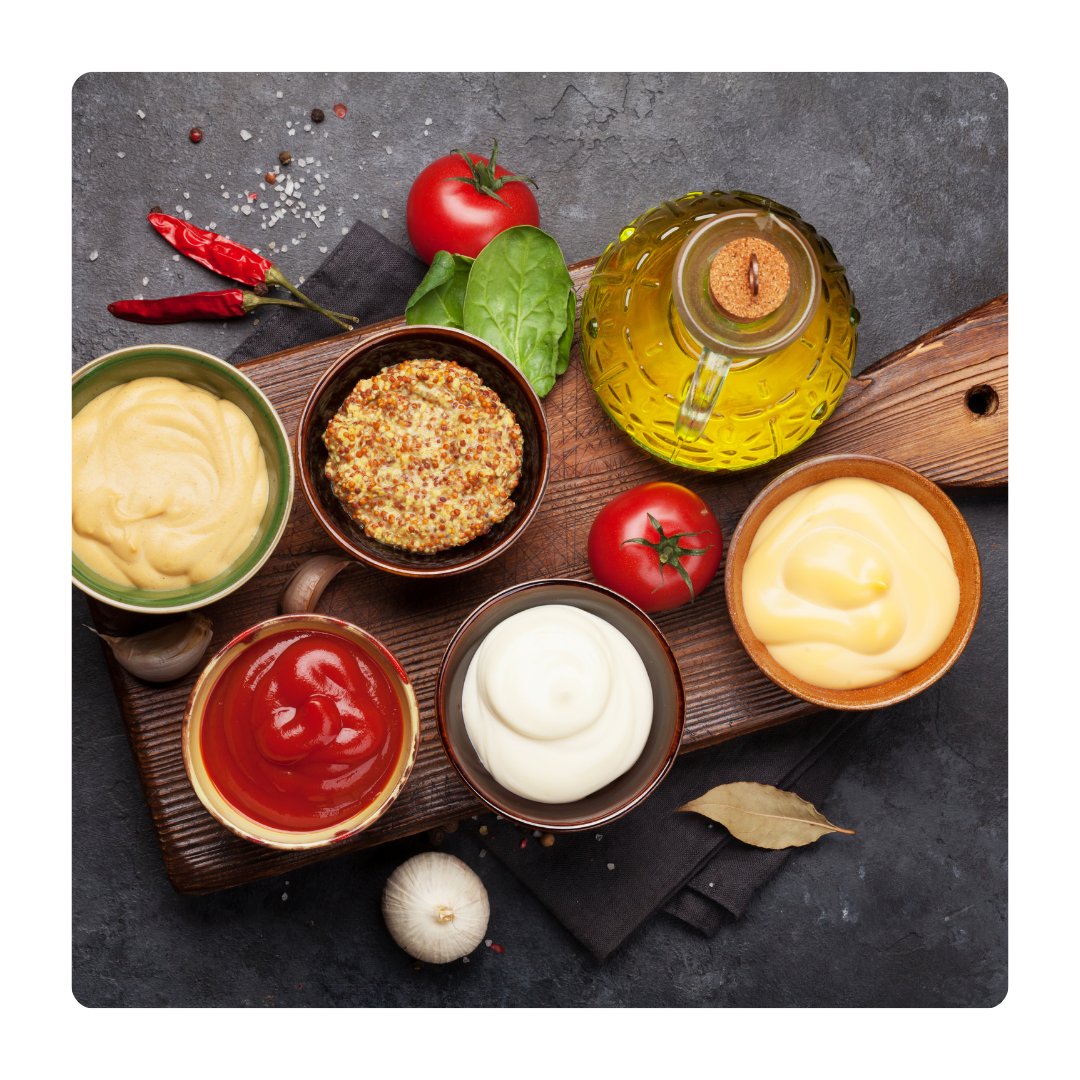
2. Ask for Changes to Your Order
Don’t be afraid to speak up - it’s your health! Most restaurants will make changes if you ask.
Try these easy swaps:
- Ask for no added salt.
- Skip processed cheese or sauces (they’re often high in sodium and phosphorus).
- Get dressings on the side so you can use less, and limit your sodium.
- Load up on vegetables – add a side salad or veggies to add more fibre. Try to get lots of colour on your plate!
- Choose fresh, less processed foods - they usually have less sodium.
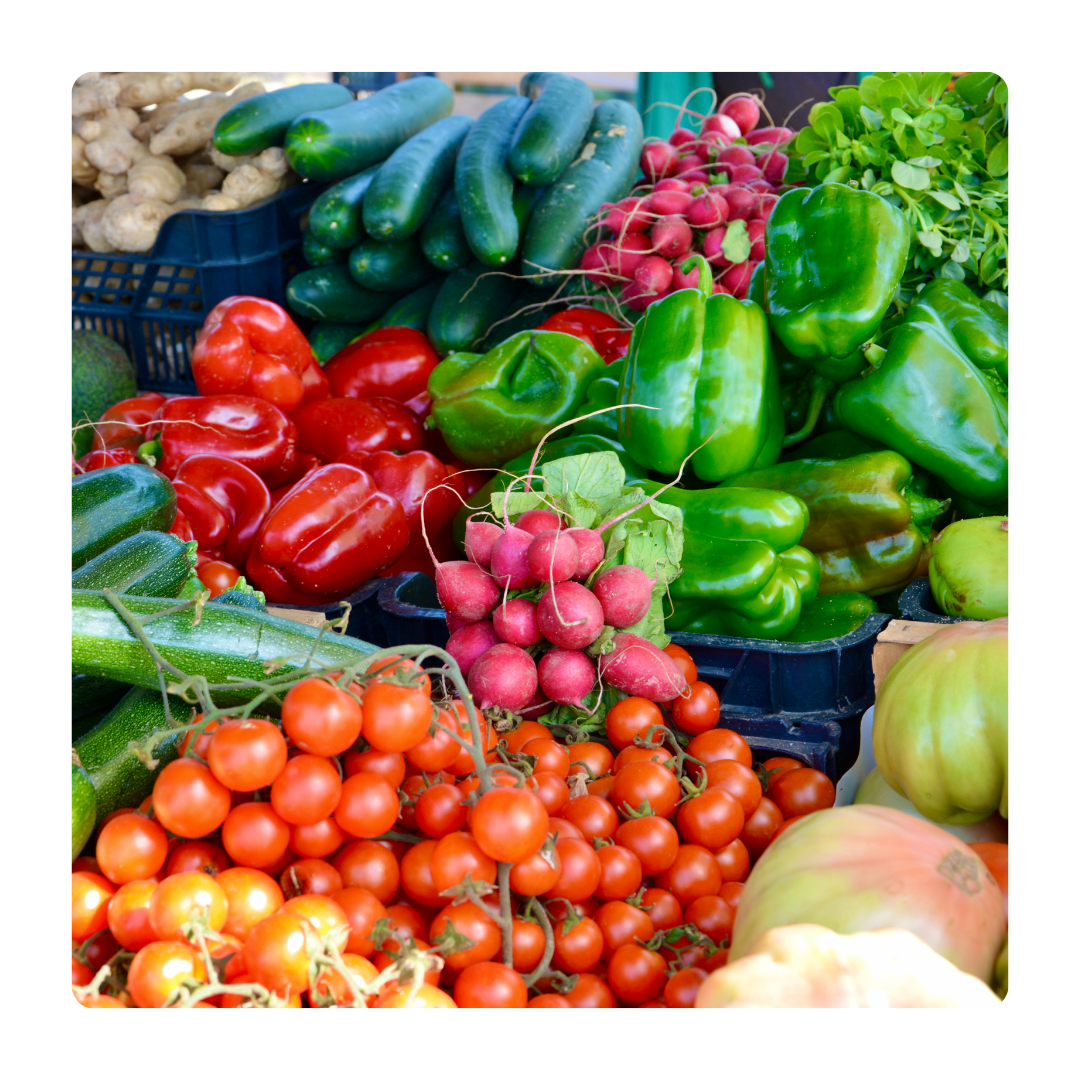
3. Choose the Healthiest Menu Options
You don’t have to be perfect. Just aim to make better choices when possible.
Good options:
- Grilled chicken or fish (instead of beef or pork).
- Plant-based proteins with fewer sauces and seasonings.
- Salads with olive oil or vinegar dressings instead of creamy dressings.
- Veggie dishes with non-starchy vegetables (like zucchini, peppers, leafy greens) for fibre, vitamins and minerals. Aim for half your plate to be veggies when eating out. This helps keep you full and manage your protein intake.
- Sandwiches or burgers loaded with veggies like lettuce, cucumber, and peppers.
- Whole grain sides like brown rice or whole grain bread (if your potassium levels allow)
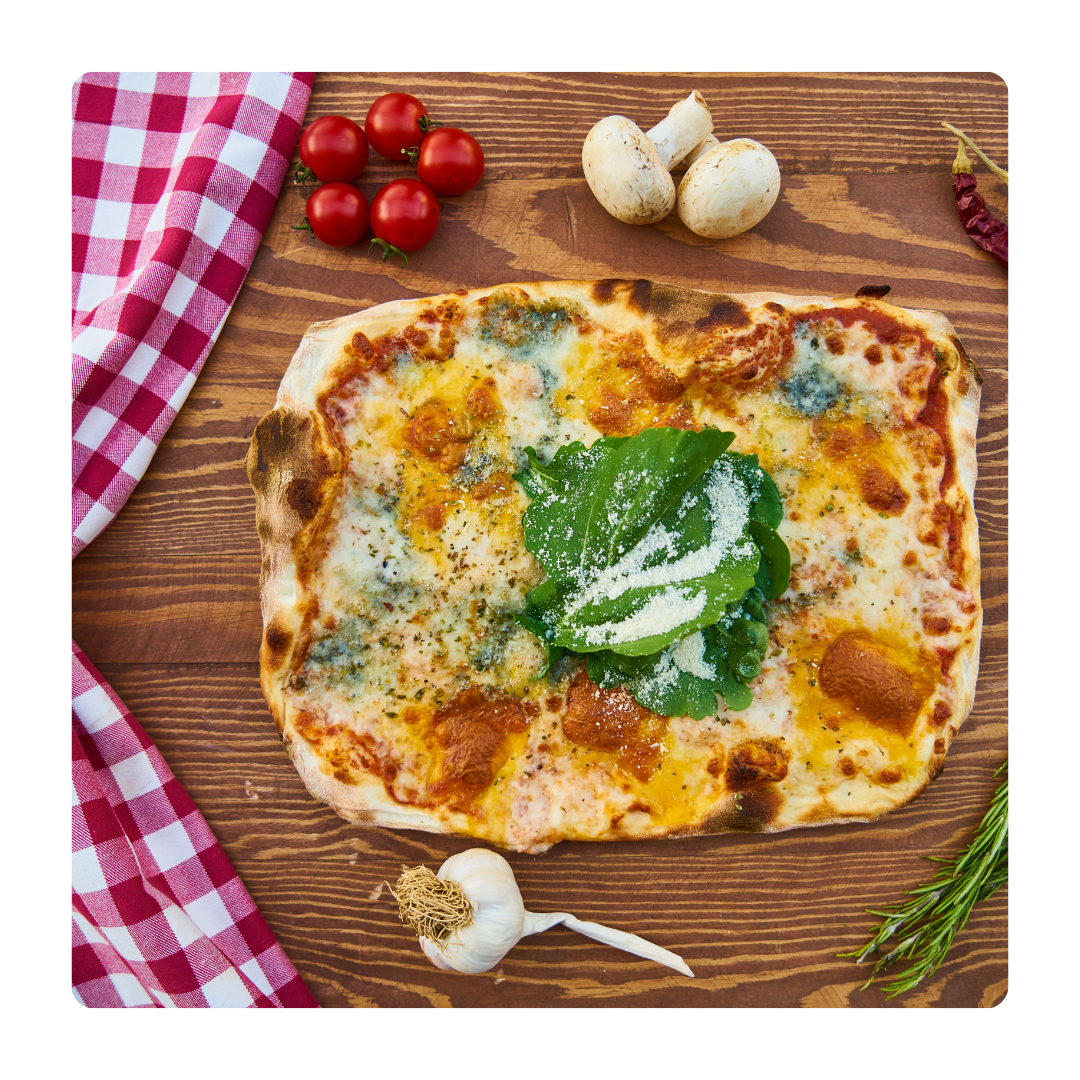 Be cautious with:
- Soups - Even veggie soups can be full of sodium. Ask how it’s made.
- Pizza - Toppings like deli meat, olives, or anchovies can add a lot of sodium. Choose vegetable or plain cheese pizza instead.
- Sandwiches – Bread, deli meats and condiments can add a lot of salt. Try roasted chicken or turkey, load up on veggies, and use low-sodium condiments like mustard, oil and vinegar, or mayo.
- Burgers – Skip the bacon, extra cheese, or heavy sauces. Try plant-based or mushroom burgers instead.
4. Kidney-Friendly Meal Ideas
Here are some common menu items you can tweak to make them more kidney-friendly:
 Breakfast
- Egg sandwich or wrap: skip the meat and cheese, add veggies
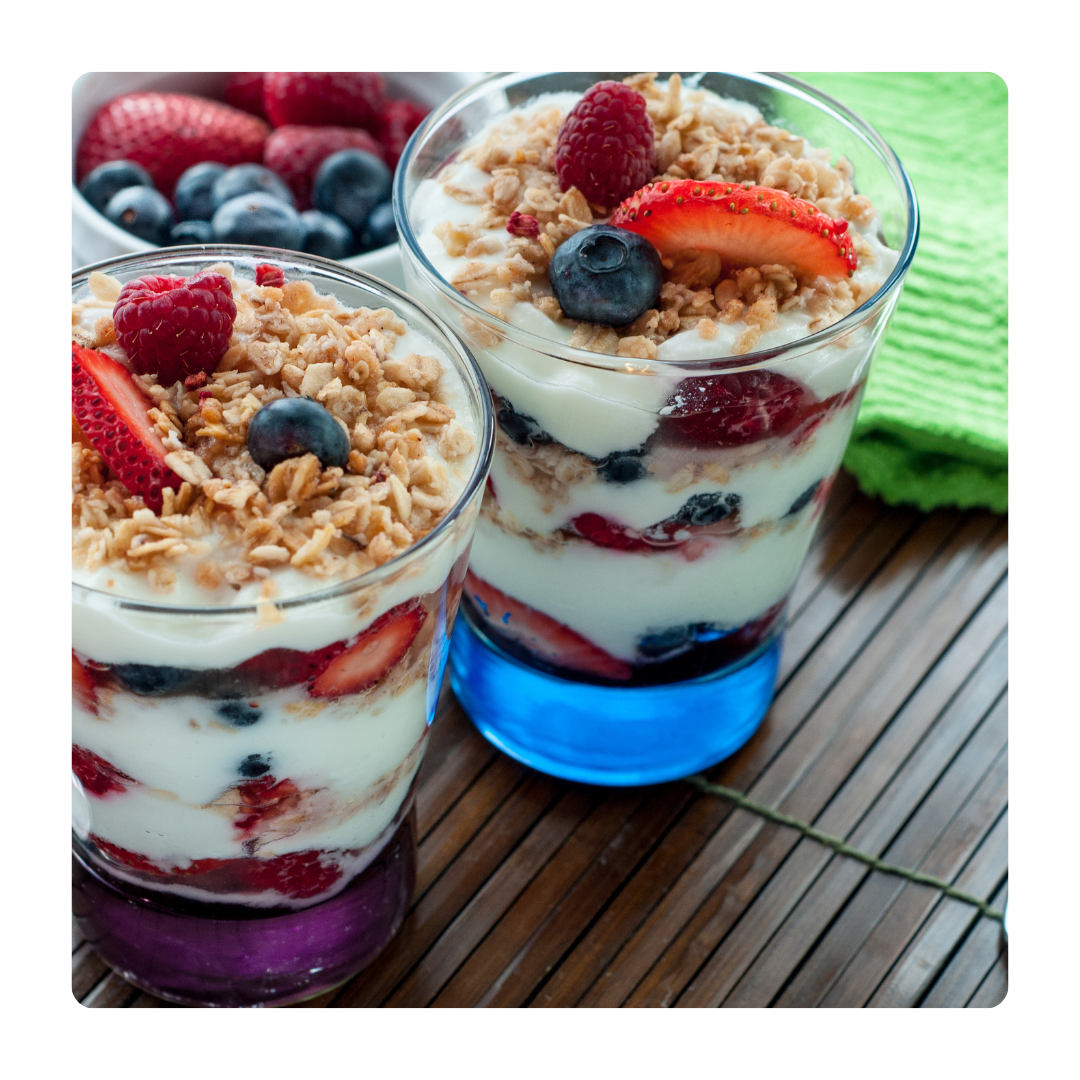
- Yogurt parfait
- Oatmeal with fruit
- Veggie omelet with whole grain toast
Lunch or Dinner
- Veggie or tuna sandwich/sub
- Grilled chicken sandwich or burger
- Classic or junior hamburger
- Salad with tofu or grilled chicken (ask for dressing on the side)
Sides
- Unsalted fries (if you don’t need to limit potassium)
- Onion rings (if you do need to limit potassium)
- Apple slices or fruit salad
- Garden salad
 Drinks
- Water
- Carbonated water
- Coffee or tea
- Sugar-free, non-cola soft drinks
5. Watch Your Portion Sizes
Meals at restaurants are often much bigger than what you’d make at home.
Try these tips:
- Share a meal with someone
- Choose grilled or roasted items with no sauces or seasonings, instead of breaded or fried
- Ask for a half-portion, lunch-sized portion, or junior portion
- Ask for a takeout container and box up half your meal before you eat
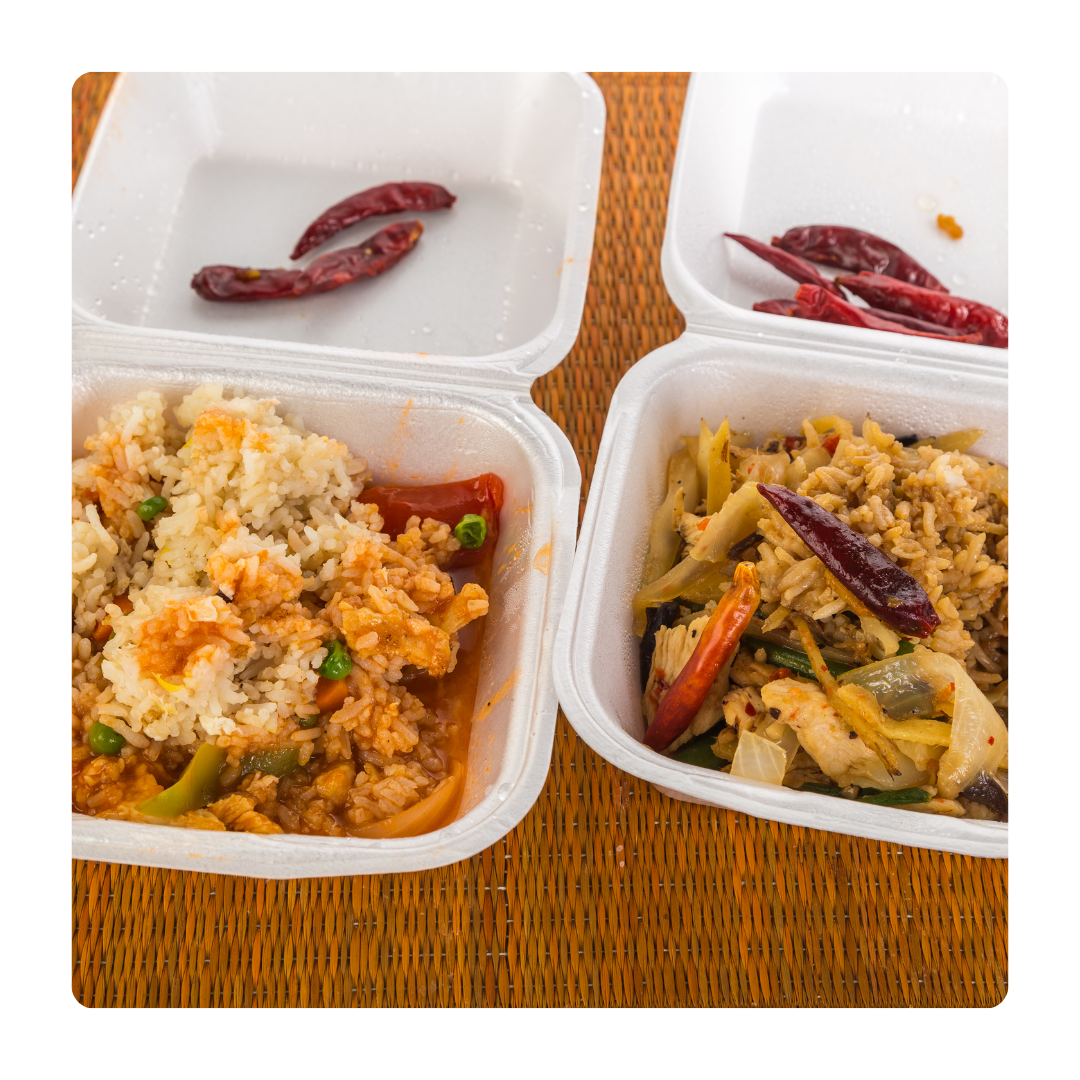 This helps you cut back on sodium, protein, and potassium - and keeps you feeling in control.
6. Balance the Rest of Your Day
If you know you’ll be eating out later, plan your other meals around it.
- Eat lower-sodium meals at home
- Focus on fruits and veggies for other meals
- Drink water to stay hydrated (unless your doctor tells you to limit fluids)
Planning ahead helps you enjoy your meal out without derailing your kidney health goals.
Final Thoughts: Progress, Not Perfection
Having PKD doesn’t mean you can never eat out again. With some prep and smart choices, you can still enjoy restaurant meals while prioritizing your kidney health.
It’s not about being perfect - it’s about doing your best and finding a balance that works for you.
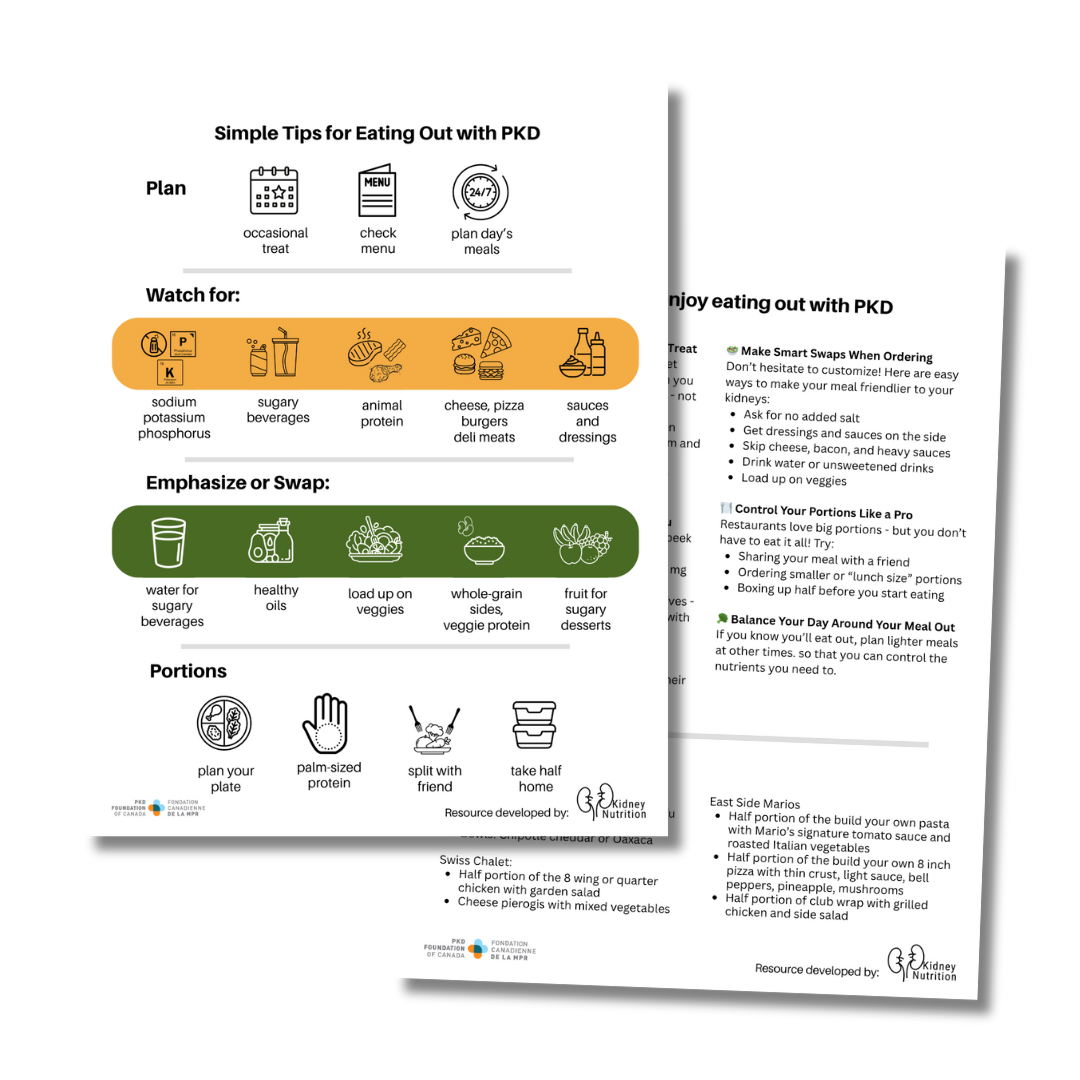 Bonus: Download this printable resource from My PKD, and take it with you when you eat out!
Not a member yet? Join here!
About the Author
Emily Campbell, RD CDE MScFN is a Registered Dietitian and Certified Diabetes Educator with a Master’s Degree in Foods and Nutrition. Emily specializes in helping those with kidney disease overcome the confusing world of nutrition to promote health. Emily can be found at kidneynutrition.ca.
More
- Learn some tips for eating at someone else’s home.
- Check out these tips for kidney-friendly holiday eating.
- Looking for more information about what to eat with PKD? Check out Love Your Kidneys,a PKD cookbook and nutrition guide written especially for people with PKD.
- Watch one of Emily's webinar or PKD Summit recordings on the topic of Nutrition and PKD here,or
- Browse through the rest of Emily's Kidney Nutrition blogs on our website.