Eating out while travelling with PKD: Practical tips from a registered dietitian | Kidney Nutrition

Living with polycystic kidney disease (PKD) doesn’t mean you’ll be staying home for meals forever. In fact, you can enjoy restaurants, travel, or meals with friends and family when living with PKD. But it does mean that eating out requires a bit more planning – especially because restaurant and convenience foods are typically higher in sodium and may contain hidden phosphorus additives.
The good news? With the right strategies, eating out can still fit into a kidney-friendly lifestyle. This post will cover things to keep in mind when you need to eat out, such as while travelling or for work, while managing your PKD.
Why eating out is different with PKD
More than 50% of Canadians regularly eat at restaurants. Nutrition information for restaurant menu items is often available, which can help you make informed nutrition choices.
Most restaurant meals are:
- Higher in sodium, which can raise blood pressure
- Made with processed ingredients that may contain phosphate additives
- Larger in portion size than what we would typically cook at home
- Higher in saturated fat, which can increase the risk of heart disease
Over time, frequent high-sodium meals can make it harder to meet kidney health goals, especially when it comes to blood pressure management. Blood pressure control is important with PKD, no matter what stage you are in.
Eating out with PKD
Eating out with PKD can mean a few things. Perhaps you are travelling, eating at restaurants, or eating food that someone else is cooking for you. Depending on the situation, a little bit of preparation can help make any meal more PKD-friendly, especially when you know what nutrients to be on the lookout for.
1. Eating out while travelling (planes, cruises, road trips)

Travel can be one of the biggest challenges because you don’t always have full control over the food options available to you. Use these tips to help include PKD-friendly meals and snacks when you’re on the go. Remember that you don’t need perfection at each meal when you’re on the road – just balance across the day.
Air travel
- Pack snacks when possible: unsalted nuts, fruit (fresh or fruit cups), homemade sandwiches
- Choose simpler inflight meals, such as plain protein with vegetables and rice or bread when available; contact the airline before your flight to request a special meal
- Read the plane's snack-food labels and limit salty snacks like pretzels or packaged crackers
Road trips
- Plan stops where fresher options that you can customize are available, such as Subway-style sandwiches, burrito bowls, grocery store meals, or salad bars. Remember to check the nutrition facts ahead of time
- Bring “backup meals,” such as wraps, hummus and veggies, or homemade bowls, like the chickpea burger bowl in this blog post, in a cooler in the car
- Have fresh snacks like veggies and hummus, fruit, and yogurt available in a cooler
- Avoid relying on service station foods as your main meals

Cruises or all-inclusive trips
- Focus on the “build your plate” approach: vegetables with whole grains and plant-based protein when possible
- Be mindful of sauces, gravies, and buffet foods, as these are often very high in sodium
- Balance higher-sodium meals with lower-sodium choices earlier or later in the day
- Speak with your cruise line about personalized dietary restrictions and accommodations
2. Eating at restaurants or other people’s homes
When eating at restaurants or other people’s homes, try having the mindset of: “What can I add or adjust?” instead of “What do I need to avoid?”
At restaurants
Try these simple strategies:
- Ask for sauces and dressings on the side
- Choose grilled, baked, or steamed options instead of fried
- Build meals around plant-based proteins when possible, such as beans, lentils, or tofu
- Avoid processed meats, such as bacon, deli meats, and sausages, and pickled items due to their sodium and potassium additives.
Example swaps:
- Burger → grilled chicken or veggie burger (ask for no added salt)
- Fries → rice, salad, or steamed vegetables
- Creamy pasta → pasta with olive oil, fresh vegetables, and garlic
For more tips, check out this blog post on smart strategies for eating out with PKD.

At someone else’s home
- Eat a small snack beforehand so you’re not overly hungry. This can help with portion sizes
- Offer to bring a dish you know works for your needs
- Focus on portion size rather than restriction
- Don’t be afraid to ask what ingredients were used, especially sauces, seasoning blends, or packaged items
3. When someone else is cooking for you
This can feel tricky because we don’t want to appear ungrateful when someone is supporting us. But a few simple scripts can help build confidence when asking questions and support your PKD nutrition needs when someone else is cooking for you. Try these out next time:
- “I’m trying to limit salt for my kidneys – could we keep sauces on the side?”
- “That looks amazing – could I take a smaller portion of the salty items and add more veggies?”
- “I follow a kidney-friendly eating plan, so I just balance portions rather than avoid foods completely.”
Most people are more flexible than we expect when they understand it’s for health reasons.
Eating out with PKD
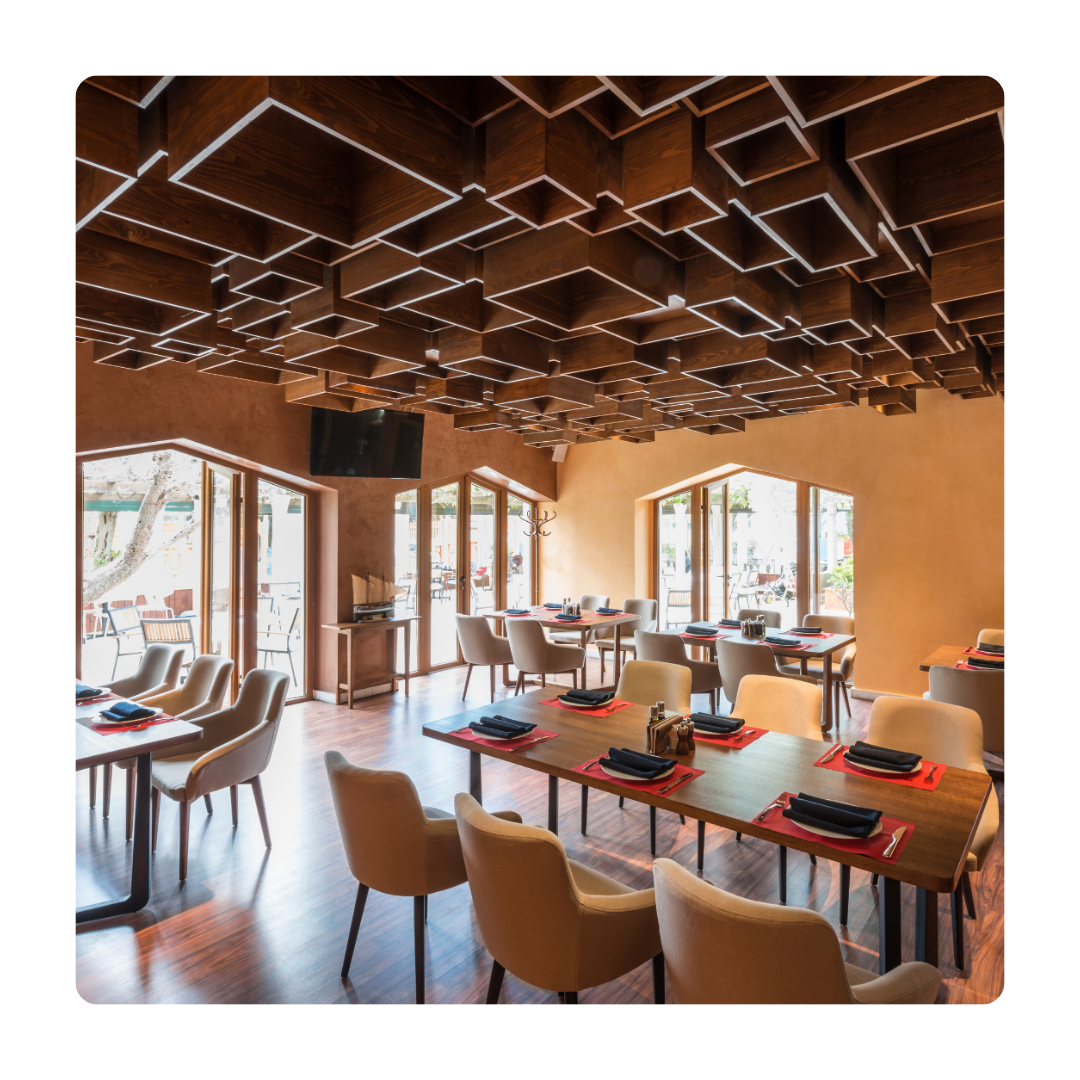
There is no “perfect PKD diet,” especially when life includes travel, restaurants, and social events. The goal is consistency over time – not restriction at every single meal.
Wherever you are eating, remember:
- Eating out with PKD is possible – it just requires planning, not perfection
- Focus on lower-sodium foods, fewer processed foods, and balanced portions
- Plant-based proteins can be helpful, but they still need to be chosen thoughtfully
- Travel and social meals are about flexibility and consistency over time
If you’re feeling unsure about how to balance your labs, lifestyle, and food preferences, working with a kidney dietitian can help you personalize your approach in a way that fits your life.
About the Author
Emily Campbell, RD, CDE, MScFN, is a Registered Dietitian and Certified Diabetes Educator with a master’s degree in foods and nutrition. Emily specializes in helping people with kidney disease navigate the often confusing world of nutrition to support better health. Emily can be found at kidneynutrition.ca.
More
- Looking for more information about what to eat with PKD? Check out Love Your Kidneys, a PKD cookbook and nutrition guide written especially for people with PKD, and Love Your Kidneys II, which includes meal planning and shopping tips for kidney-friendly meals.
- Watch one of Emily's webinar or PKD Summit recordings on the topic of Nutrition and PKD here.
- Browse through the rest of Emily's Kidney Nutrition blogs on our website.
- Find an index to all of Emily's blogs on My PKD. Not a member yet? Sign up here.